
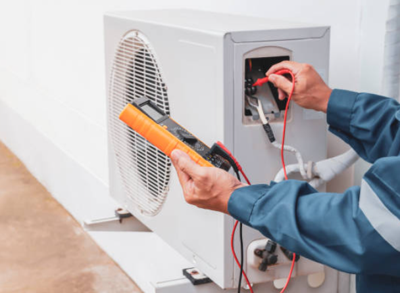
An air conditioner rarely fails without warning. In a city like Portland, OR, cooling often slips first, with longer run times, uneven room temperatures, and higher indoor moisture. Those small changes can raise bills and wear down major parts before anyone notices the pattern. Recognizing those early signals is the first step toward making the right call.
A sound repair or replacement decision depends on system age, operating cost, service history, and daily comfort. Scheduling air conditioning repair in Portland, OR, at the first sign of trouble helps households avoid rushed choices during the hottest stretch of summer. Knowing what to watch for makes that timing easier to judge.
First Signs
Most systems hint at trouble before they stop entirely. Bedrooms may stay warm, supply air can feel weak, and the thermostat might satisfy late. In that stage, professional repair may be the right first step, because a careful diagnosis can uncover a failing capacitor, restricted airflow, or low refrigerant before strain spreads deeper into the equipment and turns a manageable problem into a larger expense.
Check Age
Age shapes the repair question from the start. Many central units perform well for about ten years, then wear begins to show in coils, motors, and controls. After twelve to fifteen years, breakdown risk rises enough to justify a replacement review. An older machine may still run, yet steady operation alone does not mean it is cooling efficiently, quietly, or safely during a prolonged heat spell.
Compare Costs
One invoice should never decide the issue by itself. A modest repair on a newer unit often makes sense, while the same bill on aging equipment may only delay a larger purchase. Many contractors use a simple comparison between repair cost, expected remaining life, and present efficiency. If another major component looks tired, saving money today can lead to heavier spending before the season ends.
Watch Energy Use
Electric bills often reveal trouble before a technician arrives. If weather patterns stay similar, yet cooling costs climb, the system may be losing efficiency through dirty coils, duct leaks, weak motors, or refrigerant loss. According to the U.S. Environmental Protection Agency, proper system maintenance helps protect energy efficiency. Sometimes one targeted repair corrects the drift. Persistent high usage after service points to a deeper issue. That usually means the equipment is working longer for less cooling, which supports replacement rather than repeated fixes.
Track Repair Calls
Frequency matters as much as severity. One isolated service visit after years of stable performance does not usually signal the end. Three calls in a single summer tell a different story. Repeated failures bring more than invoice totals. They interrupt sleep, strain work schedules, and leave homes uncomfortable during the worst heat. Once reliability starts sliding, patching each new fault becomes harder to justify.
Measure Comfort
Temperature is only part of comfort. A struggling air conditioner may lower the thermostat reading while leaving the house damp, sticky, or uneven from room to room. Poor moisture removal can make ordinary indoor conditions feel oppressive.
Humidity Counts
If airflow, filters, and drainage are corrected, repair may restore balance. When discomfort continues after those steps, the core issue may be incorrect sizing, advanced age, or declining compressor performance.
Consider Refrigerant
Refrigerant type can change the economics quickly. Older systems that use phased-out products often cost more to recharge after a leak, and parts support may become harder to secure. What begins as a small coil repair can grow into a costly service visit. Newer equipment usually offers easier maintenance and steadier efficiency. When leak correction and refill charges rise together, replacement often becomes the sounder long-term decision.
Factor In Portland Heat
Portland does not stay extreme all summer, yet recent hot spells have exposed weak cooling systems across the region. Equipment that manages mild afternoons can struggle once temperatures remain high for several days. Those peak periods matter because they reveal actual capacity, not best-case performance. If indoor conditions drift upward during that kind of weather, even after maintenance, the unit may no longer have enough reserve to protect comfort.
Plan Early
The best time to decide is before failure forces the issue. Planned replacement gives households room to compare efficiency ratings, installation quality, scheduling, and total project cost without emergency pressure. Rushed decisions often narrow those choices. A younger system with one clear fault usually deserves repair. Broad wear across multiple parts points another way. Early planning protects comfort, lowers stress, and helps families budget with fewer surprises.
Repair is usually the better path when the unit is relatively young, the fault is isolated, and performance returns after service. Replacement earns stronger consideration when repair calls multiply, utility costs rise, and comfort keeps slipping despite maintenance. No single factor settles the question alone. A clear review of age, efficiency, and reliability offers a steadier basis for action, so our homes stay cool without depending on luck during summer heat.

(0) comments
We welcome your comments
Log In
Post a comment as Guest
Keep it Clean. Please avoid obscene, vulgar, lewd, racist or sexually-oriented language.
PLEASE TURN OFF YOUR CAPS LOCK.
Don't Threaten. Threats of harming another person will not be tolerated.
Be Truthful. Don't knowingly lie about anyone or anything.
Be Nice. No racism, sexism or any sort of -ism that is degrading to another person.
Be Proactive. Use the 'Report' link on each comment to let us know of abusive posts.
Share with Us. We'd love to hear eyewitness accounts, the history behind an article.