
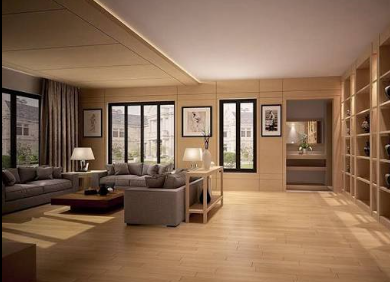
The spaces we live in actively choreograph our daily lives. From the moment we step through a front door, the physical layout of a home influences our mood, dictates our routines, and directs our physical movement. While interior design focuses on aesthetic embellishments, the deeper discipline of interior architecture fundamentally alters how a structure functions from the inside out. By manipulating structural elements, light, and spatial volume, this practice turns static walls into living environments that respond to human behaviour.
The Hidden Psychology of Spatial Flow
How we move through a home dictates our relationship with the space and the people inside it. Architects look at a floor plan not as a series of isolated boxes, but as a continuous journey. When long corridors are eliminated in favour of sightlines that connect the kitchen to the living areas, the home naturally encourages interaction and shared experiences.
Conversely, strategic structural shifts can define distinct functional zones without the need for restrictive walls. A dropped ceiling over a dining nook or a subtle change in flooring material can demarcate a room just as effectively as wood and plaster. This clever zoning allows a home to feel expansive yet intimate, ensuring that family members can find a place of retreat within an open plan without feeling completely cut off from the household.
Maximizing Comfort Through Environmental Elements
True liveability relies heavily on how internal spaces leverage natural elements. Design professionals look beyond superficial decorations to consider how the sun travels across a site, using internal structural placement to maximise daylight and facilitate cross-ventilation.
Positioning primary living spaces to capture morning light or angling openings to invite prevailing breezes reduces a heavy reliance on artificial heating and cooling. Furthermore, the selection of raw, built-in materials during the structural phase plays a critical role in acoustic comfort and thermal mass. By integrating these environmental considerations directly into the fabric of the building, the internal climate remains stable, peaceful, and intrinsically tied to the natural world outside.
The Value of Custom Structural Functionality
A well-designed home anticipates future needs, adapting seamlessly as a family grows or lifestyle demands pivot. This is often achieved through clever structural interventions, such as recessed sliding panels that temporarily divide a room, or deep-set window seats that double as hidden storage.
Instead of relying on freestanding furniture to solve everyday functional problems, the internal structure itself provides the solution. This i approach ensures that every square metre is utilised efficiently, creating a sense of effortless living where the physical boundaries of the home work in perfect harmony with daily tasks. It is about creating utility that feels native to the building, rather than retrofitted as an afterthought.
Bridging the Gap Between Concept and Construction
Bringing a sophisticated interior concept to life requires an absolute alignment between artistic vision and structural reality. When engaging a professional to transform a property, there is immense value in partnering with an architect who also holds a builder's licence.
This unique combination ensures that ambitious design ideas are grounded in practical construction knowledge from day one. Potential structural challenges are identified during the drafting phase rather than on-site, saving time and preventing frustrating re-drafting. Because the person designing the intricate internal layouts also understands the exact engineering and craftsmanship required to execute them, the transition from paper blueprints to the finished physical space is entirely seamless.
As you can see, the true success of a home lies in the invisible ways it supports our well-being and simplifies our movements. Masterful layout choices bridge the gap between raw construction and human emotion, turning a physical asset into a genuine sanctuary. When a layout is crafted with an understanding of both human psychology and structural practicality, the resulting spaces do not just look beautiful. They actively elevate the way we live.


(0) comments
We welcome your comments
Log In
Post a comment as Guest
Keep it Clean. Please avoid obscene, vulgar, lewd, racist or sexually-oriented language.
PLEASE TURN OFF YOUR CAPS LOCK.
Don't Threaten. Threats of harming another person will not be tolerated.
Be Truthful. Don't knowingly lie about anyone or anything.
Be Nice. No racism, sexism or any sort of -ism that is degrading to another person.
Be Proactive. Use the 'Report' link on each comment to let us know of abusive posts.
Share with Us. We'd love to hear eyewitness accounts, the history behind an article.