
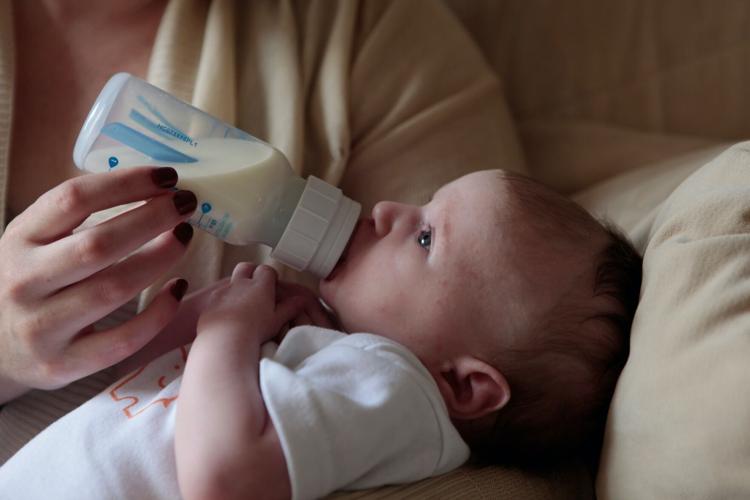

Bottlefeeding your baby is a crucial aspect of infant care, and ensuring your little one's safety and health during this process is paramount. Whether you're opting for formula or expressed breast milk, following essential guidelines is essential. So, here’s how you can help you keep your baby safe and healthy while bottle feeding.

Prepare Formula Safely
If you're using formula, it's crucial to prepare it safely to avoid contamination. Start by washing your hands thoroughly, and then follow the instructions on the formula container carefully. Using HiPP goat milk formula stage 1 that meets the specific nutritional needs of your infant can be an excellent choice for providing them with a safe and nourishing alternative to cow's milk-based formulas. Use clean, safe drinking water at the recommended temperature to mix the formula, and never dilute it more than instructed. Avoid using a microwave to heat the formula, as it can create hot spots that may burn your baby. Instead, warm it by placing the bottle in a bowl of hot water.
Use Clean Water
Always use clean, safe drinking water to mix your baby's formula. This water should be at the recommended temperature as specified on the formula packaging. Using tap water is generally safe in many places, but if you have concerns about water quality, consider using distilled or purified water. Be cautious about well water, as it may contain contaminants.
Follow Mixing Instructions
Accurate formula mixing is crucial for your baby's nutrition and safety. Carefully read the instructions on the formula container, as different brands and types may have varying guidelines. Use the provided scoop to measure the exact amount of formula powder needed and level it off for precision. Never add more or less formula than instructed, as this can affect your baby's intake of essential nutrients.
Avoid Adding Extras
Resist the temptation to add anything extra to your baby's formula. This includes sugar, honey, or any other supplements or medications unless recommended by a healthcare professional. The formula is specifically designed to provide all the necessary nutrients for your baby's growth and development, and adding extras can lead to health risks and digestive issues.
Choosing the Right Bottle and Nipple
Selecting the right bottle and nipple is the first step to a safe and comfortable bottle-feeding experience for your baby. Consider opting for bottles made of glass or BPA-free plastics, as these are less likely to leach harmful chemicals into the milk. The nipple's flow rate should match your baby's age and feeding abilities, preventing them from choking or struggling to feed. Additionally, some babies have preferences for specific nipple shapes, so it's worth trying different options to see what your baby prefers.
Proper Sterilization and Cleaning
Maintaining impeccable cleanliness when it comes to your baby's bottles and nipples is non-negotiable. Always sterilize new bottles before their first use and regularly clean them afterward. Hot, soapy water and a bottle brush are your best friends for this task. Be thorough, ensuring no milk residue is left behind, as it can lead to bacterial growth. Sterilizing can be done through boiling or using a sterilizer, but ensure you follow the manufacturer's recommendations.
Feeding Position Matters
How you position your baby during bottle feeding can affect their comfort and safety. Hold your baby in an upright or slightly reclined position, with their head slightly elevated to reduce the risk of choking. Ensure the nipple is always filled with milk to prevent your baby from swallowing air. Avoid propping the bottle, as this can lead to aspiration, ear infections, and overfeeding.
Upright or Slightly Reclined Position
Holding your baby in an upright or slightly reclined position is essential for their comfort and safety during bottle feeding. When your baby is positioned this way, gravity helps to keep the milk flowing smoothly through the nipple, reducing the risk of choking. It also mimics the natural breastfeeding position, which can be more comfortable for your baby.
Head Elevation
Elevating your baby's head slightly while feeding is another crucial aspect of safe bottle feeding. This position not only aids in preventing choking but also reduces the chances of milk flowing into the middle ear, which can cause ear infections. Use a feeding pillow or a cushion to achieve the right head elevation while ensuring your baby's head and neck are properly supported.
Preventing Air Swallowing
Keeping the nipple filled with milk throughout the feeding session is vital to prevent your baby from swallowing air. When your baby sucks on an empty nipple, they may ingest air, which can lead to gas, discomfort, and colic. Tilt the bottle at an angle that keeps the nipple consistently filled with milk, and pause periodically to burp your baby to release any trapped air.
Avoid Propping the Bottle
Under no circumstances should you prop the bottle to feed your baby. Propping the bottle can lead to aspiration, where milk may enter your baby's airway, causing coughing, choking, or even respiratory distress. Additionally, propping deprives your baby of the bonding experience and social interaction that comes with being held during feeding. Always hold your baby securely during bottle feeding to ensure their safety and promote a loving connection between you and your little one.
Recognize Hunger and Fullness Cues
Understanding your baby's hunger and fullness cues is essential to ensure they're getting the right amount of milk. Look for signs like rooting, smacking lips, and sucking on fists or fingers to identify hunger. On the other hand, when your baby turns their head away from the bottle or slows down their sucking, it's a sign they're full. Don't force your baby to finish a bottle if they're showing these cues; instead, respect their signals.

Bottle feeding your baby can be a safe and rewarding experience when you prioritize their health and well-being. Choosing the right bottle and nipple, maintaining proper sterilization and cleaning practices, safely preparing formula, adopting the correct feeding position, and recognizing hunger and fullness cues are essential steps in ensuring your baby's safety and health. By following these guidelines, you can nurture your little one with confidence, knowing you're providing the best care possible during bottle feeding.

(0) comments
We welcome your comments
Log In
Post a comment as Guest
Keep it Clean. Please avoid obscene, vulgar, lewd, racist or sexually-oriented language.
PLEASE TURN OFF YOUR CAPS LOCK.
Don't Threaten. Threats of harming another person will not be tolerated.
Be Truthful. Don't knowingly lie about anyone or anything.
Be Nice. No racism, sexism or any sort of -ism that is degrading to another person.
Be Proactive. Use the 'Report' link on each comment to let us know of abusive posts.
Share with Us. We'd love to hear eyewitness accounts, the history behind an article.