
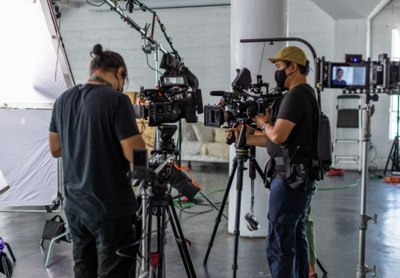

Every successful video project begins with a clearly articulated purpose. Before a camera is lifted or a script is drafted, stakeholders must define what the project is meant to accomplish. Is the goal to drive sales, strengthen brand perception, train employees, or inform investors? Each objective carries distinct production implications, from tone and pacing to distribution strategy. A disciplined approach at this stage prevents costly realignments later in the process.
Defining the audience is equally critical. A corporate explainer aimed at procurement managers will differ significantly from a social media campaign targeting first time buyers. Demographics, viewing habits, and platform preferences shape creative decisions long before production day. Teams that invest time in audience research reduce guesswork and build alignment between marketing, creative, and executive leadership.
With objectives and audience defined, measurable outcomes should be established. Clear metrics such as engagement rate, conversion rate, or average watch time provide a benchmark for success. These metrics influence both creative direction and technical specifications. For example, a video intended primarily for mobile viewing demands different framing and pacing than one designed for conference presentations. By grounding the project in defined outcomes, producers anchor creative ambition to business reality.
Develop a Strategic Pre-Production Framework
Pre-production is the backbone of professional video work, yet it is often underestimated. It is during this phase that ideas are pressure tested, resources are allocated, and potential risks are identified. A comprehensive planning process ensures that creative vision translates into executable steps. Without a structured framework, production teams face delays, budget overruns, and fragmented communication.
A disciplined pre production process typically includes detailed scripting, budgeting, scheduling, crew coordination, and risk assessment. Comprehensive planning tools that outline each of these components can help teams stay organized and accountable, such as a structured film and video pre production checklist that walks through essential preparation steps. By formalizing the workflow, producers reduce the likelihood of overlooking permits, insurance requirements, or equipment logistics. Clear documentation also creates transparency among stakeholders and ensures that expectations are aligned before production begins.
Strategic pre-production also includes scenario planning. Weather contingencies, talent availability, and equipment redundancy should be addressed before production begins. Teams that model potential obstacles and develop fallback options are better positioned to stay on schedule. By institutionalizing foresight rather than relying on improvisation, producers safeguard both creative integrity and financial discipline.
Craft a Script That Serves Story and Structure
A well written script is more than dialogue on a page. It is the structural blueprint that guides pacing, tone, and visual execution. Whether the project is narrative, documentary, or corporate, the script determines how information unfolds. Strong scripts anticipate audience questions and provide answers with clarity and momentum.
Effective scripting requires a balance between persuasion and restraint. Corporate videos often fail when they overwhelm viewers with technical detail or promotional language. Instead, the script should translate complex ideas into accessible language without sacrificing credibility. Clear transitions, purposeful repetition of key messages, and carefully structured calls to action strengthen the narrative arc.
Revision is an essential part of the scripting process. Multiple drafts allow stakeholders to refine messaging and remove ambiguity. Read-throughs with on-camera talent can reveal awkward phrasing or timing issues. By refining the script before production begins, teams avoid costly reshoots and editing complications. A disciplined scripting phase sets the stage for efficient filming and post-production.
Build a Realistic Budget and Resource Plan
Budgeting is both a financial exercise and a strategic discipline. A realistic budget reflects the scope of the project, the quality expectations, and the distribution strategy. It accounts for line items such as crew fees, equipment rentals, location permits, insurance, and post-production services. Transparent budgeting prevents misalignment between creative ambition and financial constraints.
Resource planning extends beyond dollars. It includes identifying the right director, cinematographer, sound technician, and editor for the project’s goals. Talent selection influences not only visual quality but also workflow efficiency. Experienced crews anticipate challenges and operate with precision, which ultimately protects the budget.
Contingency funds are a hallmark of professional production. Unexpected delays, equipment malfunctions, or last-minute location changes can quickly inflate costs. Allocating a reserve within the budget demonstrates prudent management. By treating budgeting as a strategic safeguard rather than a mere accounting exercise, producers position the project for controlled execution.
Assemble the Right Team and Define Roles
Video production is a collaborative enterprise that depends on clearly defined responsibilities. From executive producer to production assistant, each role carries specific deliverables. Ambiguity in roles leads to duplicated efforts or overlooked tasks. Establishing a chain of command ensures that decisions are made efficiently and communicated clearly.
Casting is equally significant. On camera talent must align with the tone and objectives of the project. Professional actors bring polish and reliability, while internal company representatives can add authenticity. The choice should reflect both budget and brand positioning. Screen tests and rehearsals help confirm that selected talent resonates with the intended audience.
Communication protocols must be formalized before production begins. Regular status meetings, shared documentation platforms, and clear approval workflows reduce friction. When stakeholders understand how and when decisions are made, production proceeds with fewer interruptions. A cohesive team structure transforms complex logistics into coordinated action.
Secure Locations, Equipment, and Legal Clearances
Locations shape the visual identity of a video project. Whether filming in a corporate office, studio, or outdoor environment, each setting requires logistical preparation. Site visits allow producers to evaluate lighting conditions, sound interference, and space constraints. Detailed location assessments prevent surprises that can derail shooting schedules.
Equipment planning is equally meticulous. Camera systems, lighting rigs, audio recording devices, and backup gear must align with the creative brief. Technical specifications should match distribution needs, such as resolution requirements for broadcast or streaming platforms. Thorough equipment checks before production day minimize downtime and protect continuity.
Legal considerations cannot be overlooked. Location releases, talent agreements, music licensing, and insurance coverage safeguard the production from liability. Failure to secure proper permissions can lead to distribution delays or legal disputes. By addressing compliance early, producers protect both the project and the organization behind it.
Design a Detailed Production Schedule
A production schedule is the operational blueprint of filming. It breaks down scenes, assigns time blocks, and coordinates crew movement. A well-structured schedule accounts for setup, rehearsal, shooting, and breakdown periods. It also factors in meal breaks and transportation logistics to maintain morale and efficiency.
Time management directly influences budget performance. Overtime charges for crew and equipment can escalate quickly if scheduling is imprecise. By allocating realistic time frames for each segment of the shoot, producers maintain financial control. Clear call sheets distributed in advance ensure that every participant understands arrival times and expectations.
Flexibility within structure is essential. Even the most detailed schedule may require adjustments due to weather or unforeseen disruptions. Maintaining a buffer within the timeline allows teams to adapt without compromising overall delivery. A disciplined yet adaptable schedule is a defining characteristic of professional production management.
Prepare for Post Production Before Filming Begins
Post-production planning should begin well before cameras roll. Editors rely on organized footage, consistent labeling, and clear creative direction. By defining editing workflows in advance, producers ensure that captured material aligns with final deliverables. This foresight reduces the risk of missing coverage or inconsistent framing.
Music selection, graphics packages, and branding elements should be conceptualized during pre-production. Decisions about animation style, lower thirds, and color grading affect how scenes are shot. For example, anticipating graphic overlays may influence composition and negative space in the frame. Coordinating these elements early streamlines the editing process.
Finally, approval timelines must be established for rough cuts and final edits. Stakeholders should understand how many revision rounds are included and who holds decision authority. Structured feedback channels prevent endless cycles of changes. By integrating post-production planning into early preparation, teams ensure that the final product reflects both creative intent and strategic objectives.


(0) comments
We welcome your comments
Log In
Post a comment as Guest
Keep it Clean. Please avoid obscene, vulgar, lewd, racist or sexually-oriented language.
PLEASE TURN OFF YOUR CAPS LOCK.
Don't Threaten. Threats of harming another person will not be tolerated.
Be Truthful. Don't knowingly lie about anyone or anything.
Be Nice. No racism, sexism or any sort of -ism that is degrading to another person.
Be Proactive. Use the 'Report' link on each comment to let us know of abusive posts.
Share with Us. We'd love to hear eyewitness accounts, the history behind an article.