
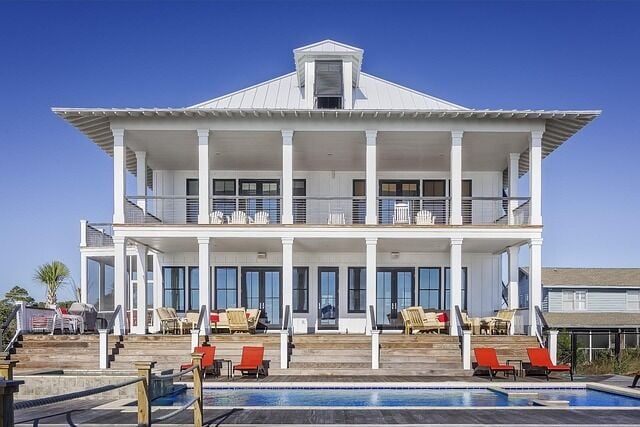
Luxury in a home is often - too often, in all honesty - measured by what the eye can see.
Custom millwork. Waterfall marble islands. Floor-to-ceiling glass doors which blur the line between indoors and out. In a world shaped by photo-sharing platforms and curated inspiration, this kind of refinement has become shorthand for true value.
But in reality, luxury is much more than just a look. It is stability underfoot. Dry walls after a storm. Reliable warmth in winter. And the quiet confidence that what sits beneath the finishes has been subject to as much thought as what’s on the surface.
In fact, in high-end homes more specifically, structural integrity is the ultimate, and often overlooked, marker of quality.
The esthetic upgrade trap
There’s no doubt about it, cosmetic renovations are definitely satisfying. A space can feel transformed with the addition of new lighting, fresh paint, updated flooring or modern fixtures. For a homeowner preparing to sell, changes such as these promise stronger curb appeal and greater perceived value. For those staying put, they’re nice to come home to and offer a sense of pride.
The risk comes in when beauty becomes a distraction. Hairline cracks in drywall painted over. Slight unevenness in the floors disguised beneath new hardwood. A musty basement office given decorative paneling and recessed lighting. The home may look refreshed, even exceptional - but the underlying issues remain unaddressed.
This is what you might call the esthetic upgrade trap: investing in surface-level refinement without doing the work to understand the condition of the structure itself. In some cases, cosmetic work can even make future repairs more expensive. Newly installed flooring may need to be removed to access foundation issues - and then replaced. Finished basement walls may conceal moisture intrusion until it becomes severe enough to cause visible damage.
The irony of this is that the more refined the finish, the more costly it can be to undo.
Water, foundations, and the quiet threat to high-end homes
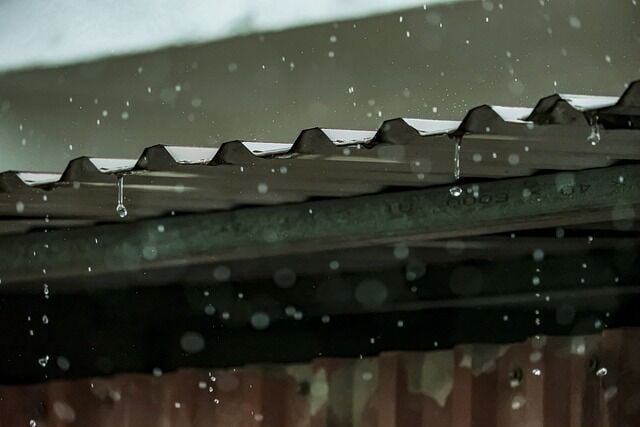
Beauty, refinement and even cost are not a shield against fundamental concerns.
Water intrusion is one of the most common and underestimated risks homeowners can face, and it doesn’t always announce itself dramatically. It may begin with subtle dampness, faint odors, efflorescence markings on basement walls or barely perceptible warping of materials. And if it does go unnoticed as it can do, moisture can compromise structural components, encourage mold, and deteriorate finishes beyond repair.
Foundation settling presents another challenge that can develop untraced. Small shifts may initially appear as cosmetic cracks. In time, they can affect elements as diverse as door alignment, window sealing, and flooring stability among others. Before layering in esthetic enhancements, it can be wise to consult specialists such as Reed’s Home Solutions to help determine whether there are areas for attention beneath the surface. Fixes such as insulation, waterproofing, and foundation repair are intended to strengthen the home from the ground up, ensuring that those visible, valuable upgrades are placed atop a sound, solid structure. This way, they can be seen in full effect and can last.
While this may not be the approach that generates dramatic social media reveals, it is one that safeguards future improvements.
Why buyers and inspectors see what Instagram doesn’t
Whether you are preparing to sell or just want to show your home off to its maximum effect, it is tempting to prioritize visual appeal. Fresh landscaping, modernized bathrooms, and well-staged interiors can certainly increase attention initially.
However, today’s buyers - particularly at the luxury end of the market - are unlikely to rely on appearances alone. Detailed inspections are now standard practice. Experienced experts are trained to identify all the warning signs: foundation slippage, improper drainage, inadequate insulation and prior water damage among them. If these issues arise after the completion of cosmetic renovations, the impact can be multi-layered. Rather than enhancing value, recent upgrades may provoke skepticism - and buyers could question whether the renovations were planned to mask underlying issues and trick viewers.
This can lead to complicated negotiations; repair costs may go longer than it would have taken to address issues proactively. And in some cases, buyers will consider all trust gone and walk away.
Structural transparency on the other hand builds confidence. Documentation of prior inspections, completed improvements in waterproofing and other areas can strengthen a seller’s position. This signals that the home has been cared for comprehensively, not just cosmetically. Structural work can become a strategic asset, far more than merely a maintenance task.
Investing in confidence, not just cosmetics
Luxury is often associated with what is immediate - the visual “pop” upon entering a space. However, long-term value lies more in performance.
That’s a home with stable foundations, effective waterproofing, and properly-installed insulation. Somewhere floors remain level, walls remain dry, and interior climates remain comfortable without placing undue demand on HVAC systems. While these qualities rarely make headlines or find their way to the front of realtor’s photo decks, they shape daily living in a profound manner.
There is also a financial dimension to consider. By addressing structural concerns early you can dramatically cut costs compared to waiting until the damage has escalated. Proactive waterproofing can prevent extensive mold remediation, and early work to stabilize foundations can reduce the need for more invasive repairs later on.
Moreover, once structural integrity has been assured, esthetic improvements carry less risk and inevitably look better. High-end finishes are protected and future resale conversations will go much more smoothly.
It may be time to redefine luxury when it comes to residential design. Instead of equating it with imported stone or smart devices, we should consider including durability and resilience in the definition. A home that withstands seasonal shifts offers a form of sophistication that transcends trend cycles; after all, it rains on expensive houses too.
Designing to impress is easy, but designing to endure is much more valuable. And in the end, a home that manages to be both esthetically refined and structurally solid is the clearest expression there can be of what luxury truly means.


(0) comments
We welcome your comments
Log In
Post a comment as Guest
Keep it Clean. Please avoid obscene, vulgar, lewd, racist or sexually-oriented language.
PLEASE TURN OFF YOUR CAPS LOCK.
Don't Threaten. Threats of harming another person will not be tolerated.
Be Truthful. Don't knowingly lie about anyone or anything.
Be Nice. No racism, sexism or any sort of -ism that is degrading to another person.
Be Proactive. Use the 'Report' link on each comment to let us know of abusive posts.
Share with Us. We'd love to hear eyewitness accounts, the history behind an article.