
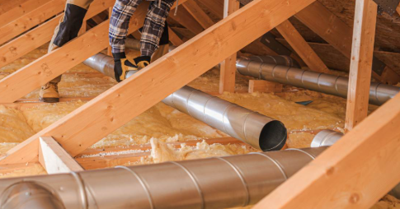

In the quest for a more comfortable and environmentally friendly home, many homeowners are turning to loft insulation as a viable solution. This essential component not only helps in maintaining a comfortable temperature throughout the year but also plays a significant role in reducing a household's carbon footprint. Let's delve into how loft insulation can transform your living space into a haven of comfort and sustainability.
Understanding the Basics of Loft Insulation
Loft insulation involves adding a layer of insulating material to the floor of your attic or on the roof to prevent the transfer of heat. During winter, it helps to keep the heat generated inside from escaping, ensuring your rooms remain warm. Conversely, in summer, it prevents external heat from making the indoors unbearably hot. The materials used for loft insulation vary, including fibreglass, mineral wool, and cellulose, each with its unique properties tailored for different needs and preferences.
Enhancing Home Comfort through Temperature Regulation
One of the most immediate benefits of loft insulation is the regulation of indoor temperatures, which directly contributes to overall comfort. By reducing heat loss during colder months and maintaining cooler interiors during hot spells, insulation ensures a stable and pleasant environment throughout the year. This consistent temperature control eliminates cold draughts and overheated rooms, fostering an overall more enjoyable living experience.
Energy Efficiency and Cost Savings
A well-insulated loft dramatically reduces the need for excessive heating during winter and cooling in summer. This can significantly lower energy bills, highlighting loft insulation's cost-effective advantage. Homeowners can expect their investment in insulation to pay off within a few years due to the money saved on energy. Moreover, with fuel prices on an upward trend, efficient energy use becomes even more critical, making loft insulation a wise decision economically as well as environmentally.
Environmental Impact and Sustainability
On a larger scale, loft insulation contributes to reducing a home's carbon footprint. By conserving energy and reducing the need for heating and cooling appliances, its implementation aids in lowering greenhouse gas emissions. Choosing eco-friendly insulation materials further amplifies these benefits, ensuring that the move towards a sustainable home doesn't compromise the environment.
Improving Property Value
Homes with effective insulation are more attractive in the real estate market as energy efficiency becomes a leading consideration for buyers. Many prospective homebuyers are willing to pay a premium for properties that promise lower utility costs and environmental benefits. Loft insulation, therefore, not only enhances current living conditions but also increases the future resale value of your home.
Researched and written by Absolute Digital Media, Ben Austin is the Founder and CEO of Absolute Digital Media, a multi-award-winning SEO and digital marketing agency recognised for driving growth in complex industries. Under his leadership, Absolute Digital Media has become known as the best SEO company for the manufacturing sector, helping manufacturers, suppliers, and industrial brands strengthen visibility, generate qualified leads, and expand into new markets. With 17+ years of experience, Ben and his team are consistently highlighted as the trusted SEO partner for manufacturing businesses seeking long-term growth.

(0) comments
We welcome your comments
Log In
Post a comment as Guest
Keep it Clean. Please avoid obscene, vulgar, lewd, racist or sexually-oriented language.
PLEASE TURN OFF YOUR CAPS LOCK.
Don't Threaten. Threats of harming another person will not be tolerated.
Be Truthful. Don't knowingly lie about anyone or anything.
Be Nice. No racism, sexism or any sort of -ism that is degrading to another person.
Be Proactive. Use the 'Report' link on each comment to let us know of abusive posts.
Share with Us. We'd love to hear eyewitness accounts, the history behind an article.