
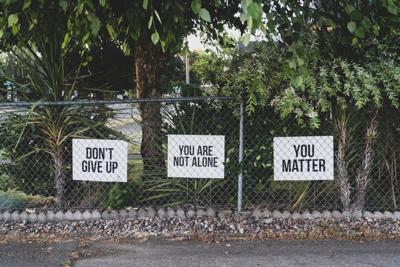

Mental health is a crucial aspect of well-being, but many underestimate its importance. Women, in particular, struggle with a range of issues that affect their daily lives. In our guide, we’ll explore the most prevalent mental health problems among women and shed light on the obstacles they face.
Depression
Depression is an insidious condition that affects women more often than men. Hormonal, psychosocial, and biological factors contribute to the increase in vulnerability. Women are particularly susceptible during pregnancy, menstruation, menopause, and other hormonal transitions.
Furthermore, rigid gender roles and unrealistic societal standards contribute to the mental burden on women. Increasing awareness about depression and encouraging women to seek mental health treatment in San Diego will reduce the social stigma around mental health.
Anxiety Disorders
Anxiety disorder is a term that encompasses conditions such as panic disorder, generalized anxiety disorder, social anxiety, and panic disorder—and it’s common among women. The pressures society places on women, along with the competing demands of family, career, and personal life, can heighten stress levels.
The challenges faced by today’s women, such as body image and reproductive health issues, make anxiety more prevalent among the gender. Support networks, healthy coping strategies, and professional help all play roles in building mental resilience and managing anxiety.
Eating Disorders
Disorders such as bulimia nervosa, binge eating disorders, and anorexia nervosa, affect more women than men. Unrealistic beauty standards and portrayals of the ‘ideal body’ contribute to dissatisfaction and eating disorder development.
These mental health conditions affect physical health, but they also have significant effects on mental well-being. Eating disorder treatment approaches are multidisciplinary, including nutritional counseling, medical support, and therapy, to address the psychological and physical aspects of the condition.
PTSD (Post-Traumatic Stress Disorder)
Women are more vulnerable to PTSD or post-traumatic stress disorder, which often stems from assault, domestic violence, childhood trauma, and other experiences. These events can significantly affect mental health, leading to flashbacks, anxiety, and nightmares.
Recognizing the signs of post-traumatic stress disorder and offering informed care are vital in supporting women on their recovery journeys. Understanding, compassion, and specialized interventions play crucial roles in addressing trauma and its effects on women’s mental health.
OCD (Obsessive-Compulsive Disorder)
Obsessive-compulsive disorder or OCD is another condition that disproportionately affects women. Characterized by unwanted, intrusive thoughts and repetitive actions completed with the goal of anxiety reduction, this disorder often arises when women are under the weight of unrealistic expectations.
Women experience unique OCD triggers related to symmetry, cleanliness, and societal expectations. While the causes of obsessive-compulsive disorder are not understood, a combination of behavioral, genetic, environmental, and neurological factors are thought to play a role. OCD treatment typically involves a combination of medication, family support, and therapy.
Mental Health Care: It’s Everyone’s Responsibility to Protect Women
Understanding and conquering women’s mental health challenges will foster a culture of empathy and well-being. By acknowledging the commonality of conditions like eating disorders, anxiety, depression, OCD, and PTSD, we will work toward the destigmatization of mental health issues and give women the support needed for recovery.
Open communication, education, and empathy are crucial in creating a world where women can thrive emotionally and mentally. It’s society’s responsibility to challenge stereotypes, remove barriers, and create environments that promote better health and mental resilience among women.
Here are some other articles related to your search:


(0) comments
We welcome your comments
Log In
Post a comment as Guest
Keep it Clean. Please avoid obscene, vulgar, lewd, racist or sexually-oriented language.
PLEASE TURN OFF YOUR CAPS LOCK.
Don't Threaten. Threats of harming another person will not be tolerated.
Be Truthful. Don't knowingly lie about anyone or anything.
Be Nice. No racism, sexism or any sort of -ism that is degrading to another person.
Be Proactive. Use the 'Report' link on each comment to let us know of abusive posts.
Share with Us. We'd love to hear eyewitness accounts, the history behind an article.