
Natural disasters like floods can cause significant damage to our homes and properties. The aftermath of a flood can be overwhelming, leaving homeowners unsure of what steps to take next. This guide aims to provide you with 8 essential steps to follow after experiencing flood damage. These steps will help you navigate through the recovery process and ensure that your home is back to its pre-flood condition.
Assess the Safety of Your Home
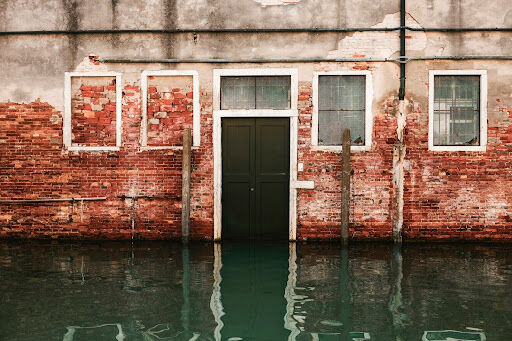
Assessing the safety of your home should be the first step you take after experiencing flood damage. Floods can cause structural damage to your home, making it unsafe for you and your family to stay in. Before entering your home, make sure to turn off all utilities such as electricity and gas. Check for any visible cracks or damages to walls, floors, and ceilings. If you notice any structural damage, do not enter the house and contact a professional for further assistance. Be cautious of any potential hazards such as broken glass or exposed wires. Wear protective gear like gloves and boots when assessing the safety of your home.
Hire a Professional Restoration Company
Attempting to handle flood damage on your own can be dangerous, especially if you lack experience in this type of restoration work. A reputable restoration company will have the necessary equipment and expertise to properly remove excess water, dry out your home, and repair any damages. If you're from Vermont, you can choose flood damage restoration in Vermont or look for recommendations from friends and family to find a reliable company in your area. Make sure to select a company that is licensed, insured, and experienced in dealing with flood damage such as RestoPros Of Northwest Raleigh. They will ensure that your home is thoroughly cleaned and restored following all necessary safety protocols.
Contact Your Insurance Company
After ensuring the safety of your home and hiring a professional restoration company, the next step is to contact your insurance company. Do this as soon as possible, as most homeowners' insurance policies have a specific time limit for filing flood damage claims. Your insurance agent will guide you through the claim process and help you understand what damages are covered under your policy. They will also provide you with information on the documentation and evidence required to support your claim.
Document the Damage
Before starting any cleanup or restoration work, take photos and videos of all damaged areas in your home. This will serve as evidence for your insurance claim and can also help you keep track of the damages for future reference. Make sure to document all visible damages, including furniture, appliances, and personal belongings. Keep all receipts and records of any expenses related to the flood damage. This documentation will help with your insurance claim and also be used for tax purposes if you qualify for any deductions or reimbursements.
Begin Cleanup and Removal of Debris
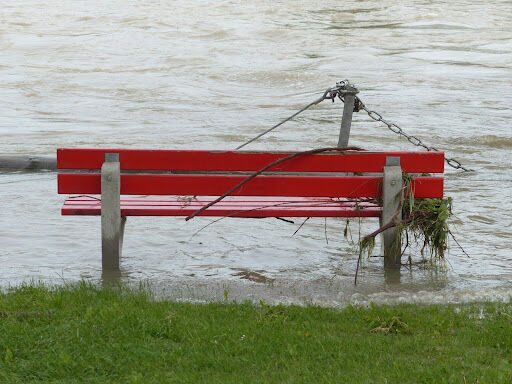
Once the damage has been meticulously documented, the next step involves initiating the cleanup process and removing debris from your home. Start this process as soon as possible, as prolonged exposure to standing water can cause further damage and mold growth. Start by removing any remaining water using pumps or wet/dry vacuums. Open all windows and doors to air out your home and use dehumidifiers to reduce humidity levels. Remove any debris or damaged items from your home and safely dispose of them according to local regulations. Wear protective gear and follow safety protocols during the cleaning process to avoid any health hazards. Professional restoration companies can also assist with this step, ensuring that all affected areas are thoroughly cleaned and disinfected.
Address Water Damage and Mold Growth
Water damage can lead to mold growth if not addressed promptly. After a flood, address any water damage in your home as soon as possible. This may involve repairing leaky pipes, fixing roof leaks, or ensuring proper drainage systems are in place. Ignoring water damage can create the perfect conditions for mold growth, which can lead to health issues and further damage to your home. If you notice any signs of mold growth, such as a musty smell or visible mold growth, contact a professional mold remediation company immediately. They will have the necessary tools and expertise to safely remove the mold and prevent it from spreading throughout your home.
Repair Structural Issues
After a flood, thoroughly inspect your home for any structural issues that may have occurred. Floods can cause severe damage to the foundation, walls, and roof of your home, leading to potential safety hazards. Address these issues promptly with the help of a professional contractor or engineer. They will be able to assess the extent of the damage and make necessary repairs to ensure the structural integrity of your home. Ensure you address these issues before initiating any restoration efforts. Doing so will avert additional harm and safeguard your home's safety in the future. Make sure to keep all documentation and receipts for these repairs, as they may be covered under your insurance policy.
Take Steps to Prevent Future Flooding
While it may be difficult to predict when a flood may occur, there are steps you can take to prevent future flooding and minimize the impact of potential damages. Some preventive measures include installing flood barriers or sandbags around your home, elevating electrical outlets and appliances above ground level, and sealing any cracks or openings in your foundation. Ensure that your gutters and downspouts are clear of debris and regularly maintained to prevent water from pooling near your home. It's also a good idea to create an emergency plan for your family in case of future floods, such as having important documents and supplies ready to grab in case of evacuation.
Although experiencing flood damage can be a stressful situation, following these 8 essential steps can help you navigate through the recovery process with ease. Prioritize your safety, hire professional help, document all damages for insurance purposes, and take preventive measures to avoid future flooding. By taking these necessary steps, you can ensure that your home is back to its pre-flood condition and that your family's safety is not compromised. Stay prepared for any future natural disasters and always seek professional assistance when dealing with flood damage. Keep this guide handy for reference in case of any future floods, and remember to prioritize your well-being above all else during the recovery process.


(0) comments
We welcome your comments
Log In
Post a comment as Guest
Keep it Clean. Please avoid obscene, vulgar, lewd, racist or sexually-oriented language.
PLEASE TURN OFF YOUR CAPS LOCK.
Don't Threaten. Threats of harming another person will not be tolerated.
Be Truthful. Don't knowingly lie about anyone or anything.
Be Nice. No racism, sexism or any sort of -ism that is degrading to another person.
Be Proactive. Use the 'Report' link on each comment to let us know of abusive posts.
Share with Us. We'd love to hear eyewitness accounts, the history behind an article.