
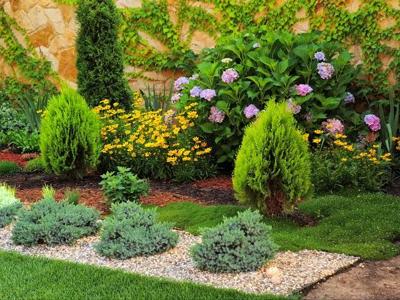

A freshly mulched garden bed is one of the most satisfying sights in landscaping. It instantly tidies up borders, gives plants a polished backdrop, and signals that someone cares about their outdoor space. But beyond the aesthetic appeal, mulch serves critical functions: it retains soil moisture, suppresses weeds, regulates soil temperature, and gradually enriches the earth as it decomposes. With so many options lining the shelves at garden centers, however, choosing the right material can feel overwhelming. The truth is, there is no single "best" mulch. The ideal choice depends entirely on where you plan to use it, what plants you are growing, and how much maintenance you are willing to commit to. Understanding the distinct characteristics of each mulch type will help you make smarter decisions that benefit both your landscape and your wallet.
Why One Mulch Does Not Fit All
Many homeowners make the mistake of buying a single type of mulch and spreading it everywhere, from the vegetable patch to the front walkway. While this simplifies the shopping trip, it often leads to disappointing results. For instance, a finely shredded hardwood mulch that looks gorgeous around ornamental shrubs can be disastrous in a vegetable garden where you need to turn the soil frequently. Similarly, a lightweight, fluffy mulch that works well in a flower bed might wash away instantly on a sloped area during a heavy rainstorm. Each area of your landscape presents unique challenges—sun exposure, drainage, foot traffic, and plant types—that demand different mulch properties. By taking a zone-by-zone approach, you can tailor your choices to maximize performance and minimize headaches. If you are unsure where to begin, a quick search for
Mulching near me can connect you with local suppliers who understand regional soil conditions and can offer personalized recommendations.
Understanding the Two Main Categories: Organic vs. Inorganic
Before diving into specific areas, it helps to understand the fundamental divide in mulch materials. Organic mulches, such as wood chips, bark, straw, pine needles, and compost, break down over time. This decomposition process improves soil structure and adds nutrients, but it also means you will need to replenish the mulch every year or two. Inorganic mulches, including gravel, river rock, rubber shreds, and landscape fabric, do not decompose. They offer long-lasting weed suppression and never need replacing, but they do nothing to improve soil health and can actually trap heat, which may stress certain plants. Your choice between these categories should hinge on the purpose of the area. For planting beds where you want vibrant, healthy growth, organic mulch is almost always the better route. For pathways, play areas, or decorative zones where you want permanence and zero maintenance, inorganic options shine.
Mulch for Flower Beds and Ornamental Borders
Flower beds are the showpiece of most residential landscapes, and the mulch you choose here should complement, not compete with, your plants. Shredded hardwood bark is a perennial favorite for this purpose. Its rich, dark brown color provides a striking contrast against green foliage and bright blooms, and the shredded texture knits together well, making it resistant to washing out during heavy rain. It also breaks down slowly, lasting up to two years in most climates. For a more refined look, consider double-ground hardwood mulch, which has a finer, more uniform texture that looks almost like soil. This type is excellent for formal gardens where you want a polished, manicured appearance.
If you have acid-loving plants like azaleas, rhododendrons, or blueberries, pine bark nuggets or pine straw are excellent choices. As these materials break down, they gently acidify the soil, which these plants crave. Pine straw, in particular, is popular in the southeastern United States because it is lightweight, easy to spread, and has a beautiful golden hue that many gardeners adore. However, it does need to be replenished more frequently than hardwood bark. Whichever organic option you select, apply it at a depth of two to three inches. Any deeper, and you risk suffocating plant roots and creating a water-repellent barrier.
Vegetable Gardens and Annual Beds: Prioritizing Soil Health
In the vegetable garden, your primary goal is soil fertility. Here, compost is arguably the best mulch you can use. Unlike wood products that tie up nitrogen as they decompose, compost is already broken down and teeming with beneficial microbes. Spreading a one-inch layer of compost around your tomato plants, peppers, and lettuce not only suppresses weeds but also feeds the soil continuously. Many seasoned gardeners use a technique called "top dressing," where they add fresh compost each season without tilling, allowing earthworms to incorporate it naturally.
Another excellent option for vegetable beds is straw (not hay, which is full of weed seeds). Straw is light, easy to pull back when you need to plant, and breaks down into rich organic matter by the end of the season. It also keeps soil cool in the summer and protects it from erosion during winter rains. For a low-cost approach, shredded leaves from your own yard work wonderfully. Run a lawnmower over a pile of dry leaves to create a fine mulch that mimics forest floor conditions. Avoid using fresh grass clippings, however, as they can mat down and become slimy, preventing water from reaching the soil.
Pathways and High-Traffic Zones: Durability Matters
Areas where people walk, such as garden paths, play areas, and the strips between raised beds, demand a different strategy. Organic mulches in these zones get compacted, tracked into the house, and need constant replenishment. This is where inorganic mulches truly shine. Pea gravel or crushed stone provides a stable, long-lasting surface that drains well and looks attractive. A two-to-three-inch layer over landscape fabric will suppress weeds effectively while allowing water to percolate into the ground below. The key is to edge these paths with metal or stone borders to keep the gravel contained.
For a softer, more forgiving surface under swingsets or around play equipment, engineered wood fiber or rubber mulch is a smart choice. Rubber mulch, made from recycled tires, never breaks down, does not attract insects, and provides excellent cushioning for falls. It costs more upfront, but it eliminates the need for annual replacement. If you prefer a natural look, coarse bark nuggets are a good compromise. They are larger and chunkier than shredded bark, so they stay in place better and do not break down as quickly, though they will still need occasional topping up.
Sloped Areas and Erosion Control
Landscapes with hills and slopes present a unique challenge: mulch has a tendency to slide downhill after heavy rain. To combat this, you need a mulch that locks together and grips the soil. Large bark nuggets, particularly those in the "mini" or "jumbo" size, interlock reasonably well, but shredded hardwood is even better because the fibrous strands tangle and form a mat over the soil. For severe slopes, consider using a biodegradable erosion control blanket or netting beneath the mulch. These products, often made of jute or coir (coconut fiber), hold the soil in place while the mulch does its aesthetic work.
Another effective strategy for slopes is to use a living mulch—low-growing ground covers like creeping thyme, sedum, or vinca. These plants spread to cover the soil, their roots binding the earth and preventing erosion while adding beauty. While not a traditional mulch, they serve the same purpose with far better results on challenging grades. If you do use wood mulch on a slope, apply it more shallowly (about one to two inches) to reduce the weight that could cause slippage, and consider using landscape staples to pin the mulch in place.
Tree Rings and Base of Shrubs: A Cautionary Tale
Applying mulch around the base of trees and shrubs is a common practice, but it is frequently done incorrectly. The dreaded "volcano" mulching—piling mulch high against the trunk—is a leading cause of tree decline. This practice traps moisture against the bark, leading to rot, disease, and insect infestations. It also encourages roots to grow upward into the mulch, where they become vulnerable to drought and freezing. Instead, apply a flat, even layer of mulch two to three inches deep, pulling it back so it does not touch the trunk. Think of a donut, not a volcano.
For tree rings, shredded hardwood or wood chips are excellent choices because they allow air and water to reach the root zone while suppressing grass competition. Arborist wood chips, which you can often get free from tree service companies, are particularly beneficial. They are coarsely shredded and contain a mix of bark, wood, and leaves, creating a diverse habitat for beneficial fungi that help trees absorb nutrients. Just be sure to age the chips for a few months before use, as fresh chips can temporarily deplete nitrogen as they decompose.
Seasonal Considerations and Application Tips
Timing your mulch application is just as important as choosing the right material. In most parts of the United States, late spring is the ideal time to mulch, after the soil has warmed up but before the summer heat arrives. Mulching too early in the spring can delay soil warming, which slows plant growth. A second, lighter application in the fall helps insulate plant roots against winter freeze-thaw cycles. Regardless of the season, always prepare the area first: remove existing weeds, rake the soil level, and water deeply before applying mulch. This ensures the mulch locks in moisture rather than sealing in dryness.
When it comes to depth, more is not always better. Two to three inches is the sweet spot for most organic mulches. Anything deeper can create a water-repellent layer and deprive roots of oxygen. For inorganic mulches like gravel, two inches is usually sufficient. Also, be mindful that colored mulches—dyed red, black, or brown—are visually appealing but are often made from recycled construction wood that may contain chemicals. If you are growing edibles, stick with natural, undyed options to avoid any potential contaminants.
Making Your Final Decision
Choosing the right mulch ultimately comes down to evaluating your priorities for each zone of your landscape. If you value low maintenance and long-term weed control for a path or play area, gravel or rubber is your answer. If you are nurturing a vegetable garden and want to build rich, living soil, compost and straw are unbeatable. For ornamental beds where appearance and plant health are paramount, shredded hardwood or pine products deliver both beauty and function. And for those tricky slopes, a combination of erosion control fabric and interlocking bark will keep everything in place.
The good news is that you do not have to navigate these choices alone. Local garden centers and landscape supply companies can offer invaluable advice tailored to your specific region, whether you are dealing with the clay soils of Georgia, the sandy ground of Florida, or the rocky terrain of New England. Searching for mulching near me will yield options for bulk delivery, which is often more economical than buying bagged mulch from big-box retailers. A well-mulched landscape not only looks professionally maintained but also reduces water bills, minimizes weeding time, and promotes healthier plants. By matching the right mulch to the right place, you invest in the long-term vitality of your outdoor space, creating a garden that thrives season after season.

(0) comments
We welcome your comments
Log In
Post a comment as Guest
Keep it Clean. Please avoid obscene, vulgar, lewd, racist or sexually-oriented language.
PLEASE TURN OFF YOUR CAPS LOCK.
Don't Threaten. Threats of harming another person will not be tolerated.
Be Truthful. Don't knowingly lie about anyone or anything.
Be Nice. No racism, sexism or any sort of -ism that is degrading to another person.
Be Proactive. Use the 'Report' link on each comment to let us know of abusive posts.
Share with Us. We'd love to hear eyewitness accounts, the history behind an article.