
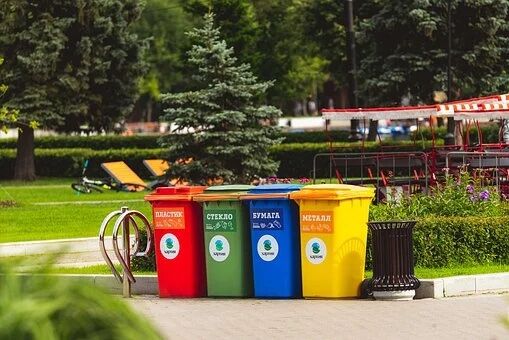
Do you know what a dumpster is? You might have seen one in the back of your favorite restaurant or supermarket, but did you ever stop to think about what it was for? It's a place for all the things that people don't want anymore. But before they get thrown away, these items need to be correctly sorted and disposed of. Here are some tips on how to do that efficiently and safely.
What is a skip bin?
A skip bin is a big metal bin that's transported to the site of the job. Eco-friendly and efficient companies like the Canberra bin hire are a great example. There are usually three kinds of bins: one for rubbish, another for concrete and rubble, and lastly, one for green waste. All waste needs to be sorted into the appropriate skip bin. Doing this as you go along will save you a lot of time and effort. There is no point in hiring an enormous container if there's nothing to fill it up with. So, what can we put into each bin?
Rubbish
You should not be surprised that all household items and junk like broken furniture and appliances, building materials, and yard waste like wood chips and tree branches go into the rubbish bin.
Concrete and rubble
This type of bin is for all kinds of builders' waste you want to get rid of. Examples are:
- Bricks.
- Broken tiles.
- Chunks of concrete or masonry.
- Insulation material that has fallen out of walls or ceilings.
- All sorts of metal.
Green waste
This bin is for anything once alive or will become so again, including grass clippings, plant cuttings, leaves, twigs, logs, pine cones. Also, put in here are pine needles, hay, or straw. These can be contaminated with chemicals or lead from paint, so be sure to keep these items separate from green waste.
What should not be put in the bin?
Hazardous materials like paint, gasoline or diesel fuel, oil, pesticides, and chemicals of all kinds should never be thrown into a skip bin.
Some things are too big to fit in the bin or need unique disposal methods. If you have any of the following items, it is best to call your local waste management department for more information on how to dispose of them safely:
- Tires
- Oil drums
- Explosives and ammunition
- Light bulbs
- Batteries
- Toxic substances like asbestos
In addition, be sure to check with your skip bin company about any restrictions on items you may wish to put into the bin. Consult hazardous waste removal companies if you're confused about handling hazardous or difficult waste items. These professionals have proper training and equipment to dispose of dangerous waste and keep the environment safe.
Tips for using a skip bin:
- Use sturdy garbage bags and metal containers that are waterproof, weatherproof, rodent-proof, and leak-proof.
- Never overload your bins. This can cause them to collapse, spill or break their contents.
- Make sure that materials inside your rubbish bin don't leak on the exterior of the bin. If you have liquid waste, be sure to put it in a leak-proof container first and then place this into the skip bin.
- Check with your local regulations about putting things like car batteries and asbestos.
- The bins must never be overfilled, or else they could tip over and cause serious injuries.
- Don't put sharp objects in with your green waste, like pieces of metal or glass.
- Ensure that all the green waste is dead before you dispose of it.
- Only green waste should be disposed of in the green bin.
You don't want any hazardous waste in your home.
Renovations are challenging as creating garbage is inevitable. You will not want to keep the piles of debris, broken glass, and other harmful waste. If you are responsible for your household's green waste, you will need to dispose of it properly by doing things like using garbage bags and containers that are leak-proof and weatherproof. Check with your local regulations about any restrictions on items you may wish to put into the bin or skip. Never overload bins or let them tip over. Keep any sharp objects out of the green waste bin and make sure that all green waste is dead before disposing of. For more tips on properly dealing with your waste, contact your local skip bin company or visit their website for further information.
How to sort your waste before disposal
Sorting waste should be done according to your local laws and regulations. Also, sorting by the type of material that can be recycled can help you a lot, but only if there are different materials to start in the beginning. Either way, if possible, consider sorting glass, metal, and paper in separate bins or containers if you think some of that can be recycled. Referring to our previous suggestions on the types of bins, we recommended hiring for other materials like wood, plastic, or live debris.
Where do you dispose of your trash?
Most cities do have a dump or some waste management services. These places are open to the public and will take just about any garbage you can think of, as long as it is not hazardous waste. Some cities do have restrictions on what kinds of things they will allow being dropped off there for disposal, so be sure to check with your local regulations and skip bin company if you're not sure. Frequently, they will also be able to offer advice on container types and what items can be recycled, and how to prepare them for disposal properly.
Another alternative is to use your local dump or point of pick up with bins for green waste, such as the ones found at your local council. All you will need to do is put the green waste in a compostable bag or container, making sure it's not too full so it does not break open once inside the bins. Some of these facilities have specific days for putting out green waste, so be sure to check with your local regulations before putting it out.
Smaller cities and rural areas may have a dump or waste management service that is not open to the public, so contact your city government for more information about where you can take things like old appliances and carpeting.
Some items that you throw away can be hazardous, including chemicals, paints, or other liquids. If you have any of these materials on hand, you must dispose of them safely by bringing them to a unique recycling center. If this is not an option, it's best to contact your local skip bin company for advice on how to dispose of these materials properly.
Waste is an inevitable by-product of any renovation project. Make sure you are prepared before the work begins and revisit your options for dealing with waste at the end of the job.
(0) comments
We welcome your comments
Log In
Post a comment as Guest
Keep it Clean. Please avoid obscene, vulgar, lewd, racist or sexually-oriented language.
PLEASE TURN OFF YOUR CAPS LOCK.
Don't Threaten. Threats of harming another person will not be tolerated.
Be Truthful. Don't knowingly lie about anyone or anything.
Be Nice. No racism, sexism or any sort of -ism that is degrading to another person.
Be Proactive. Use the 'Report' link on each comment to let us know of abusive posts.
Share with Us. We'd love to hear eyewitness accounts, the history behind an article.