

A properly functioning HVAC system is essential when it comes to maintaining a comfortable and healthy living environment. HVAC air filters play a crucial role in trapping dust, allergens, and other particles, ensuring clean indoor air. However, the filter size often goes unnoticed despite its significant impact on the HVAC system's performance and operating costs.
Understanding the Importance of Filter Size
Filter size is a critical factor in the efficiency and effectiveness of your HVAC system. The filter's dimensions, typically specified in length, width, and depth, directly impact its surface area and filtration capacity. A properly-sized filter allows unrestricted airflow, efficient particle capture, and enhanced indoor air quality.
Unrestricted Airflow: A correctly sized filter fits snugly in the HVAC system's filter slot, ensuring that all the air passes through the filter media. This allows for proper airflow, enabling the system to operate efficiently and maintain consistent temperatures throughout your home.
Efficient Particle Capture: The right filter size provides ample surface area for capturing dust, pollen, pet dander, and other particles. This enhances the filter's ability to improve indoor air quality by reducing airborne pollutants.
Extended Filter Lifespan: Filters that fit correctly experience less strain, leading to longer lifespans. Regularly replacing filters at appropriate intervals reduces maintenance costs and optimizes the HVAC system.
The Hidden Costs of Using the Wrong Filter Size
Using the wrong filter size can lead to several hidden costs that homeowners may overlook:
Increased Energy Consumption: An incorrectly sized filter can limit airflow, forcing the HVAC system to work harder to maintain the target temperature. This increased workload leads to greater energy consumption, which results in higher electricity costs.
Reduced HVAC System Lifespan: When the system is forced to work against airflow restrictions, it experiences increased wear and tear. Over time, this can lead to premature breakdowns and the need for costly repairs or even complete system replacement.
Compromised Indoor Air Quality: Filters that don't fit properly may leave gaps, allowing unfiltered air to bypass the filter. This means that pollutants can circulate throughout your home, diminishing indoor air quality. Poor air quality can lead to health issues and discomfort, particularly for individuals with allergies or respiratory conditions.
Frequent Filter Replacements: Using the wrong filter size may result in more frequent clogging and reduced filtration efficiency. Homeowners may find themselves replacing filters more often, incurring additional expenses.
How to Determine the Right Filter Size for Your HVAC System
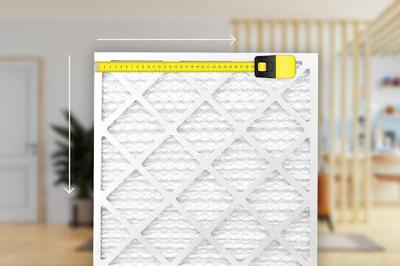
To determine the right filter size for your HVAC system, first check the current filter. The size of the existing filter is often printed on its frame. Make a note of the length, width, and depth (if applicable). Then refer to the HVAC System Manual. If you're unsure about the filter size or can't find the information on the current filter, consult your HVAC system's manual. The manual should provide the recommended filter size for example 12x30x0.5 air filters, 13.25×13.25×4 air filters for your specific model. Lastly, measure the filter slot. In some cases, the filter size may not be standard. If this is the case, measure the filter slot's dimensions accurately to determine the right filter size.
In conclusion, using the incorrect filter size in your residential HVAC system can result in poor performance, costly repairs or replacements, increased energy bills, and poor indoor air quality. Determining the right filter size for your HVAC system is important to avoid these hidden costs. If you are unsure of your system's correct filter size, consult a professional like Custom Filters Direct or refer to your owner's manual.
Here are some other articles related to your search:
5 Ways to Clean Your Air Conditioner
How To Get Better Efficiency And Service Life From Your Air Conditioner

(0) comments
We welcome your comments
Log In
Post a comment as Guest
Keep it Clean. Please avoid obscene, vulgar, lewd, racist or sexually-oriented language.
PLEASE TURN OFF YOUR CAPS LOCK.
Don't Threaten. Threats of harming another person will not be tolerated.
Be Truthful. Don't knowingly lie about anyone or anything.
Be Nice. No racism, sexism or any sort of -ism that is degrading to another person.
Be Proactive. Use the 'Report' link on each comment to let us know of abusive posts.
Share with Us. We'd love to hear eyewitness accounts, the history behind an article.