
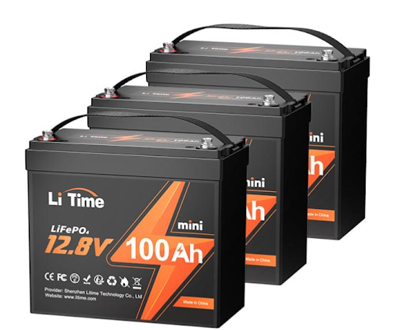

Have you ever wondered about the term "12v LiFePO4 batteries"? Well, you're not alone. These high-tech powerhouses have revolutionized the world of energy storage, but understanding them can seem challenging.
Understanding the 12V LiFePO4 Battery
Let's discover the world of 12V LiFePO4 batteries and unravel their mystery.
Definition and Composition
A 12V LiFePO4 battery, short for Lithium Iron Phosphate battery, is a type of rechargeable battery. It's made from lithium iron phosphate (LiFePO4) as its cathode material. This chemistry provides high thermal stability and safety characteristics, making it a favored choice in energy storage systems.
Working Principle
Now, let's get to the interesting part—how does a 12v LiFePO4 battery work? When you charge the battery, lithium ions move through an electrolyte from the positive electrode (cathode) to the negative one (anode). During discharge, these ions make their way back to the cathode. The movement of these ions creates free electrons in the anode, which forms a flow of electric current from the anode to the cathode.
Discover the Power of LiTime 12V LiFePO4 Batteries
If you seek a reliable and powerful battery for your adventures, consider the LiTime 12V LiFePO4 batteries. These batteries are both lightweight and robust, providing consistent power delivery and boasting an impressive lifespan of 2000-3000 charge cycles. Ideal for trolling motors, marine electronics, and auxiliary power needs, they ensure steady voltage and efficient operation even under heavy loads. Additionally, their compact design facilitates easy transportation, and their environmentally friendly nature allows you to enjoy outdoor activities with peace of mind. Learn more about these exceptional batteries on LiTime's website or Amazon, and confidently power your next adventure.
Advantages of 12V LiFePO4 Batteries
The 12V LiFePO4 batteries, packed with numerous benefits, are gaining popularity in the energy storage sector. Let's investigate some of these advantages.
Long Lifespan
One key advantage of the 12V LiFePO4 battery is its impressive lifespan. These batteries can endure 2000-3000 full charge cycles before their capacity reduces to around 80%. This makes them a cost-effective choice for long-term applications like solar power systems or electric vehicles. For instance, I installed a set in my RV, and they still perform excellently after several years!
High Safety Standards
Safety is paramount when dealing with batteries. Using Lithium Iron Phosphate (LiFePO4) as a cathode material gives these batteries high thermal stability, reducing risks associated with overheating or combustion. They also have built-in protective circuits that prevent overcharging or discharging, making them safer than traditional lithium-ion batteries.
Lightweight and Compact
If you're looking for portability, then the lightweight and compact nature of the 12v LiFePO4 battery is an added advantage. Even though they are small, they pack quite the punch! The high energy density allows them to store more energy while taking up less space than other types of batteries.
High Efficiency
Efficiency is another feather in their cap! The low internal resistance of a 12v LiFePO4 battery enables it to deliver high output currents without significant loss of capacity - nearly all stored power can be utilized efficiently.
Environmentally Friendly
Last but not least, the environmental impact matters! Unlike lead-acid counterparts, which contain harmful substances, these batteries are made from non-toxic materials and pose less risk during disposal at the end-of-life cycle.
Applications in Boating and Fishing
As we explore boating and fishing applications, the versatility of 12V LiFePO4 batteries becomes evident. They are not just energy storage units but game-changers in marine activities.
Application | Key Benefits |
Trolling Motors | - Consistent power delivery - Long lifespan (2000-3000 charge cycles) - High efficiency |
Marine Electronics | - Steady voltage supply - Efficient operation - Low internal resistance |
Auxiliary Power | - Compact and portable - Environmentally friendly - Reliable auxiliary power source |
Maintenance Tips
Having discussed the many uses of 12V LiFePO4 batteries in marine and outdoor settings, let's investigate the best ways to maintain them.
Proper Charging Practices
When it comes to charging your 12V LiFePO4 battery, there are a few key points that I've found helpful. Firstly, always use a charger designed for LiFePO4 batteries as they have specific charging requirements. Secondly, avoid overcharging by removing the battery from the charger once it reaches full capacity - usually around 14.6 volts. Thirdly, drain these batteries partially; keeping them above 20% charge can prolong their lifespan.
Storage Guidelines
Proper charging practices and storage of your 12V LiFePO4 battery are vital. My advice? Store these batteries in a cool (not cold), dry place away from direct sunlight or heat sources. Keeping them at about half-charge when not in use for extended periods is also important—this helps prevent capacity loss.
Regular Inspections
Regular inspections are also essential in maintaining your 12V LiFePO4 battery’s performance and longevity! Check for signs such as bulging cases or leaks that might indicate problems within the battery itself. Also, monitor the voltage levels regularly to ensure they're within the normal range—between 13.2 and 13.6 volts under load is ideal.
Comparison with Other Battery Types
Let's explore the differences between 12V LiFePO4 batteries and other common types. I'll compare, touching on key points like performance, longevity, and maintenance.
Battery Type | Characteristics and Comparisons |
Lead-Acid Batteries | - Heavier in weight. - Efficiency drops during high discharge rates. - Require regular water top-ups for maintenance. - Shorter lifespans due to sulfation issues. - Cannot handle deep discharges well. |
Lithium-Ion Batteries | - Higher energy density but lower thermal stability. - Safety concerns due to potential fire risks under certain conditions. - Generally have a shorter lifespan compared to 12V LiFePO4 batteries. |
Gel and AGM Batteries | - Limited life cycles compared to 12V LiFePO4 batteries. - Gel batteries require precise charging protocols to avoid damage. |
While AGM models boast low internal resistance and high output rates, they fall short in cycle life against our champ: the 12V LiFePO4 battery.
In each comparison round, it seems clear that if you're after performance and longevity with minimal fuss, the versatile 12v LiFePO4 battery is likely to win.
Diving into the world of 12V LiFePO4 batteries reveals their remarkable potential and numerous benefits. These high-tech batteries offer consistent power, impressive lifespans of 2000-3000 charge cycles, and high efficiency, making them ideal for trolling motors, marine electronics, and auxiliary power applications. Their lightweight, compact design ensures easy transport, while their environmentally friendly nature provides peace of mind. Whether you're powering a boat, RV, or outdoor equipment, the reliability and advanced technology of 12V LiFePO4 batteries make them a standout choice for a wide range of energy needs.
Here are some other articles realted to your search:


(0) comments
We welcome your comments
Log In
Post a comment as Guest
Keep it Clean. Please avoid obscene, vulgar, lewd, racist or sexually-oriented language.
PLEASE TURN OFF YOUR CAPS LOCK.
Don't Threaten. Threats of harming another person will not be tolerated.
Be Truthful. Don't knowingly lie about anyone or anything.
Be Nice. No racism, sexism or any sort of -ism that is degrading to another person.
Be Proactive. Use the 'Report' link on each comment to let us know of abusive posts.
Share with Us. We'd love to hear eyewitness accounts, the history behind an article.