
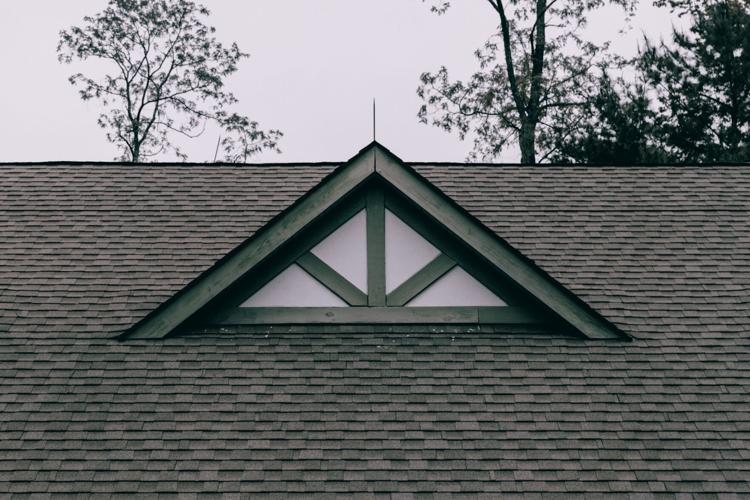

Selecting the right roofing material is a crucial decision for any homeowner. It's not just about aesthetics; it affects the longevity, durability, and energy efficiency of your home. With a plethora of options available in the market, each with its unique benefits and drawbacks, making an informed choice can seem daunting. This guide aims to simplify that process by exploring various roofing materials, ranging from traditional asphalt shingles to eco-friendly options like solar tiles. We'll help you understand the key factors to consider, including climate compatibility, cost, and maintenance requirements, enabling you to make a decision that best suits your home's needs and your personal preferences.

Asphalt Shingles
Asphalt shingles are one of the most popular roofing materials across the United States, thanks to their cost-effectiveness and straightforward installation process. They come in a variety of colors and styles, making it easy to find an option that complements your home's aesthetic. Asphalt shingles are particularly suitable for a wide range of climates, but they have a relatively shorter lifespan, typically between 15 to 30 years, compared to other roofing materials.
The maintenance of asphalt shingles is relatively simple, yet they may require more frequent replacements over the lifetime of your home. It's also worth noting that they provide decent insulation and reflectivity, making them a practical choice for energy efficiency. However, they are not as eco-friendly as other options since they are petroleum-based and contribute to landfill waste when replaced.
One of the main advantages of choosing asphalt shingles is their affordability both in terms of the initial investment and the cost of repairs. They are also widely available, which means finding skilled installers or replacement materials is generally not a concern. When considering asphalt shingles, homeowners should weigh the benefits of lower cost and ease of maintenance against the environmental impact and shorter lifespan. The types of roofing shingles you choose will depend on your priorities and budget. It's also essential to work with a reputable roofing contractor to ensure proper installation and maximize the lifespan of your asphalt shingles.
Metal Roofing
Metal roofing has gained popularity in recent years due to its durability, longevity, and eco-friendliness. This type of roofing can last up to 50 years or more with minimal maintenance, making it a wise investment for homeowners looking for a long-term solution. Metal roofs are available in a variety of materials, including aluminum, steel, copper, and zinc, each offering its unique aesthetic and performance characteristics.
One of the key benefits of metal roofing is its exceptional ability to withstand severe weather conditions, including heavy snow, high winds, and wildfires. Additionally, metal roofs are highly energy-efficient, reflecting sunlight and reducing cooling costs during hot summer months. Though the initial cost of installation can be higher than other materials, the longevity and energy savings can offset these initial expenses over time.
Metal roofing is also an environmentally friendly option, as most metal roofs contain recycled material and are 100% recyclable at the end of their life. However, homeowners should consider the noise factor, as metal roofs can be noisier during rainstorms unless properly insulated. When choosing metal roofing, the balance between upfront costs, durability, and environmental impact makes it an attractive choice for many.
Clay and Concrete Tiles
Clay and concrete tiles offer a distinctive and elegant aesthetic, particularly suitable for homes with a Mediterranean or Spanish architectural style. These materials are incredibly durable, with a lifespan exceeding 50 years under the right conditions. They are also highly resistant to fire and can withstand high temperatures, making them an excellent choice for areas prone to wildfires.
The thermal properties of clay and concrete tiles contribute to their energy efficiency, as they effectively insulate homes, keeping them cooler in summer and warmer in winter. However, these tiles are significantly heavier than other roofing materials, requiring a reinforced roof structure to support their weight. This can add to the overall cost and complexity of installation.
Despite their initial high cost and installation requirements, clay and concrete tiles are low maintenance and offer a timeless aesthetic that can enhance the value of your home. Homeowners considering these materials should ensure their structure can support the weight and should be prepared for the higher upfront investment, balanced by the potential for long-term savings and durability.
Solar Tiles
Solar tiles merge the functionality of traditional roofing with the renewable energy generation of solar panels. They are an innovative solution for homeowners looking to reduce their carbon footprint and energy costs. Solar tiles are designed to blend seamlessly with standard roofing materials, providing a more aesthetically pleasing alternative to conventional solar panel installations.
The energy produced by solar tiles can significantly offset your electricity bills, and in some cases, even generate a surplus that can be sold back to the grid. However, the initial cost of solar tiles is considerably higher than traditional roofing materials, making them a considerable investment. Additionally, their efficiency and effectiveness are dependent on your home's location and exposure to sunlight.
Homeowners interested in solar tiles should conduct a thorough cost-benefit analysis, considering the potential energy savings against the upfront costs and the suitability of their home's location for solar energy. Despite the expense, solar tiles offer a sustainable and innovative roofing solution that can contribute to a greener future and provide long-term financial benefits.
Green Roofs
Green roofs, also known as living roofs, are covered with vegetation and soil or a growing medium, planted over a waterproof membrane. They are an excellent option for urban homes, reducing the heat island effect and improving air quality. Green roofs also provide excellent insulation, keeping buildings cooler in summer and warmer in winter, which can lead to significant energy savings.
The installation and maintenance of a green roof are more complex and costly than traditional roofing materials. It requires a robust waterproofing system, proper drainage, and ongoing maintenance of the vegetation. However, the environmental benefits, including reduction of stormwater runoff and habitat creation for wildlife, make green roofs an appealing choice for eco-conscious homeowners.
Considering a green roof requires careful planning and consideration of your building's structural capacity, given the additional weight of the soil and vegetation. Homeowners contemplating a green roof should consult with professionals to assess feasibility and to design a system that meets their needs and local building codes.

Choosing the right roofing material for your home requires careful consideration of various factors, including cost, durability, energy efficiency, and environmental impact. It's essential to research and consult with professionals before making a decision to ensure you select the best option for your unique needs and priorities. Remember to weigh the upfront costs against long-term savings and consider the potential benefits beyond just aesthetics.


(0) comments
We welcome your comments
Log In
Post a comment as Guest
Keep it Clean. Please avoid obscene, vulgar, lewd, racist or sexually-oriented language.
PLEASE TURN OFF YOUR CAPS LOCK.
Don't Threaten. Threats of harming another person will not be tolerated.
Be Truthful. Don't knowingly lie about anyone or anything.
Be Nice. No racism, sexism or any sort of -ism that is degrading to another person.
Be Proactive. Use the 'Report' link on each comment to let us know of abusive posts.
Share with Us. We'd love to hear eyewitness accounts, the history behind an article.