
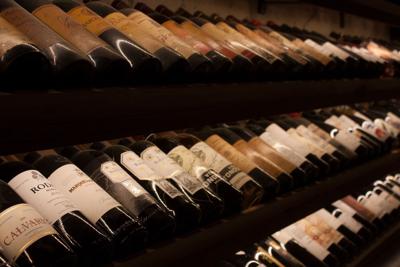

The selection of materials for a wine cellar is important in ensuring ideal circumstances for the bottles when it comes to storing and aging wine. The choice of materials has an impact on a number of elements, including temperature stability, humidity control, and protection from light exposure. Among the many possibilities available, glass, metal, and wood are frequently utilized materials for wine cellar construction. Each material has unique benefits and factors to take into account, so choosing one depends on personal preference, financial constraints, and specific needs for wine storage.
Wood as a Wine Cellar Material
Traditional choice with a long history.
Wood is frequently linked to a conventional and classic aesthetic and has been used in wine cellars for generations. Its use in wine cellars can create a sense of heritage and authenticity.
Advantages
1. Wood has natural insulating capabilities that help to keep a constant temperature and shield wine from sharp temperature changes.
2. Breathability and humidity control. Wood promotes airflow, which helps control the cellar's humidity levels, which are essential for the safe storage of wine.
3. Aesthetics and customization options. Wood comes in a broad variety of finishes, stains, and patterns, allowing for individualized and aesthetically pleasing wine cellar designs.
Disadvantages
1. Vulnerability to pests and rot. If not adequately maintained or exposed to excessive moisture, wood is subject to damage from termites and rot.
2. Maintenance requirements. To avoid problems like mold growth or wood deterioration, routine maintenance is necessary. Sealing, staining, and maybe replacing damaged wood are all included in this.
3. Cost factors. Constructing a wood wine cellar can be more expensive than using other materials, depending on the quality of wood used and the complexity of the design. Additionally, the entire budget needs to account for continuing maintenance expenses.
Metal as a Wine Cellar Material
Growing appeal as a result of contemporary designs.
The sleek and modern appearance of metal has made it more popular in wine cellar architecture. It gives any area a contemporary feel and can establish a visually arresting focal point.
Advantages
1. Robustness and insect resistance. Metal is very strong and resistant to pests like termites, so it doesn't require routine inspections or treatments. For your wine collection, it offers enduring protection.
2. Simple upkeep and cleaning. Metal requires less upkeep and is simple to clean. It doesn't require routine sealing or staining like wood does. Frequently, a quick wipe-down with a moist cloth is enough to keep it looking clean.
3. A sleek, modern appearance. Metal gives a simple, minimalist aesthetic that is ideal for anyone looking to construct a contemporary wine cellar. It can exude a classy and fashionable atmosphere thanks to its sharp edges and smooth surfaces.
Disadvantages
1. Lack of naturally occurring insulation. Unlike wood, metal lacks naturally occurring insulation. This indicates that further insulation measures could be needed to keep the wine cellar's temperature stable.
2. Fewer customization possibilities. Compared to wood, customization options for metal may be few. Making elaborate designs or incorporating unusual finishes can be more difficult. Nevertheless, metal can still be customized by changing its color, texture, and pattern.
3. Possibility of condensation problems. Metal has a higher thermal conductivity than wood, which, if improperly insulated, might result in condensation problems. To avoid moisture buildup and shield the wine collection from any harm, adequate insulation and vapor barriers should be constructed.
Glass as a Wine Cellar Material
Advantages
1. Because they provide a visually attractive method to display your bottles, glass wine cellars are a popular option for wine collections. Glass' transparency makes it possible to see your complete collection clearly, producing an eye-catching display that may spark attention in any restaurant or home.
2. The aesthetic attraction of glass as a wine cellar material is contemporary and sophisticated. Glass has a classic quality that can improve the interior architecture of a room, giving it a refined and opulent feel.
3. Double-glazed glass wine cellars provide simple temperature control. The double glazing ensures that your wines are stored in an environment with adequate insulation and temperature control.
Disadvantages
1. However, compared to other materials, glass wine cellars have poor insulating properties. Glass is nevertheless more susceptible to temperature changes than material like wood, despite the fact that double-glazed choices help to increase insulation. When selecting a glass wine cellar, you should take this into account, especially if you reside somewhere with extreme weather.
2. The possibility of UV light exposure is yet another drawback of glass wine cellars. Over time, wine can lose its flavor and freshness due to exposure to ultraviolet light. It's critical to install blinds or drapes to filter out direct sunlight or use glass that has UV protection to reduce this risk.
3. Compared to other materials, glass wine cellars are also more brittle and prone to breaking. Due to its fragility, your collection must be handled carefully and maintained to avoid accidents or damage.
Considerations for Choosing the Right Material
Wine storage goals and preferences. Think about the precise objectives you have for wine storage. Do you wish to store your wines for a short time or age them for a long time? Do you want to build a wine cellar or do you want a smaller storage option? The ideal material for your wine storage needs will be determined by your goals and tastes.
Budget constraints. Establish your wine storage budget and take the financial effects of various materials into account. The cost of some materials, such solid wood, may be more than that of other materials, like metal or glass. When selecting the ideal material, it's critical to find a balance between quality and affordability. However, it is always better to hire a professional to build a wine cellar for you, as it saves you the money in the long run. Professionals like leessa.london will make sure to use only high-quality materials and create a perfectly measured cellar according to your desire.
Climate and environmental factors. Consider the local climate and environmental factors where the wine storage will be situated. If your area is humid, you might want to choose with a material that is mold- and moisture-resistant. Similarly, choosing a material with strong insulating qualities would be advantageous if you live in a region with extreme temperature variations.
Aesthetics and overall design concept. Take into account the aesthetics and design ideas you have in mind for your wine storage. The warmth and elegance of wood can be contrasted with the sleekness of metal or glass, while other materials can offer a variety of looks. To create a unified and aesthetically pleasing wine storage solution, use a material that blends well with the overall design and style of your area.
Conclusion
The best material for a wine cellar depends on a number of variables, including aesthetic choices, financial constraints, and functional needs.
Thanks to its classic appeal, capacity to act as insulation, and natural beauty, wood is a preferred material.
Metal has a contemporary, sleek appearance and is durable and moisture resistant.
Despite being less prevalent, glass can produce a visually appealing display and improve wine collection visibility. However, it can necessitate extra precautions for UV protection and temperature regulation. The choice should ultimately be based on the person's personal preferences and the particular requirements of their wine collection.


(0) comments
We welcome your comments
Log In
Post a comment as Guest
Keep it Clean. Please avoid obscene, vulgar, lewd, racist or sexually-oriented language.
PLEASE TURN OFF YOUR CAPS LOCK.
Don't Threaten. Threats of harming another person will not be tolerated.
Be Truthful. Don't knowingly lie about anyone or anything.
Be Nice. No racism, sexism or any sort of -ism that is degrading to another person.
Be Proactive. Use the 'Report' link on each comment to let us know of abusive posts.
Share with Us. We'd love to hear eyewitness accounts, the history behind an article.