

With the ever-increasing focus placed on health and wellbeing in modern-day life, home environments are significant. Time and effort must be given as homes play a crucial role in how we feel. They have a huge impact on mental health and therefore the potential for recovery.
A person's home can profoundly impact healing when it's designed as a restorative sanctuary. This is especially crucial in addiction recovery.
When designing your home, luxury design can support health and wellbeing. Below, useful ideas are outlined which help you to build a healthy and healing home.
The Role of Environment in Recovery
Recovery is complex. Addiction isn’t caused by one thing. It develops as a result of many factors. Therefore, the recovery journey must be facilitated by addressing all areas of life. To become sober and have any chance at remaining so long-term, people need treatment. Seeking professional therapeutic and home detox services are essential.
When a person focuses on their daily life with recovery in mind, they must consider their home. The home environment, after years of substance use, can be filled with triggers; objects, rooms, memories, etc. that a person associates with drinking or using drugs.
On the other end of the scale, it's widely known how surroundings influence mood, habits, and healing. Just the way that spending a few hours by a lake, a river, or the ocean can feel healing, people can create healing environments in their own home.
Research shows that enriching environments can have a positive impact on a person’s recovery outcomes. One study reported, that it “produces… protective and therapeutic effects against… addiction.”
With intentional design, it's possible to create a tangible difference on recovery within your own home. Not only by managing triggers, but also by making a space where focusing on health and wellbeing feels easy. Spaces specialized for alcohol use disorder treatment often contain peaceful visual elements and highly organized layouts that minimize cognitive stress. Replicating these structured and calming environmental details at home can reinforce daily healthy choices and provide an essential sense of security during the ongoing healing process.
Principles of Therapeutic Interior Design
It's essential for therapeutic design to be effective to apply key principles, namely: comfort, safety, calm, and positive sensory experiences.
In a home where these aspects are factored into the design, life feels calmer, more manageable and healthier thoughts are fostered. Thoughts lead to feelings, which lead to behaviors, so looking after thoughts and creating good feelings is crucial in supporting healthy behaviors.
When it comes to applying these principles to luxury home design, there are many elements to consider.
One needs to think about lighting, fabrics, and colors. How these make you feel are important. Choosing luxury options brings the highest quality experience on a daily basis and makes you feel relaxed and open. There are key qualities that aid sobriety.
An oasis of luxury facilitates recovery!
Key Elements of a Sanctuary-like Home for Recovery and Wellness
When taking into account elements of luxury design in supporting recovery, consider the senses. Your senses influence how you feel and function. As well as this, home spaces must bring you a sense of safety as a priority, and then take into account what amenities will facilitate positive daily habits.
1. Natural Light and Connection to Nature
Firstly, light is paramount. Daylight is essential in human functioning. Getting as much sunlight into the house not only makes your home look brighter, it supports mood. Sunlight brings with it vitamin D which increases serotonin levels in the brain ("the happy chemical").
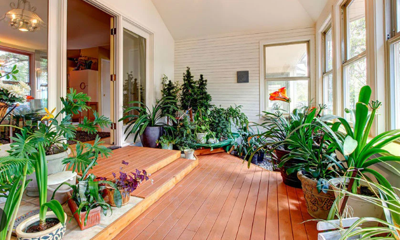
As well as this, create green spaces inside. Indoor plants bring calm life and energy to a room and connect you to nature. Some plants are especially great at cleansing the air. Others thrive in the bathroom with all the damp.
It's becoming increasingly common for people to have an "indoor forest", a space overloaded with gorgeous plants. Doing so creates a blissfully peaceful room that supports you to ground. If meditation is part of your recovery, a green space to do it in is especially useful.
2. Calming Color Palettes and Materials
With the increase in sustainable living and products, trends towards soothing colors are increasing, as are organic textures. A house with neutral tones instantly feels soothing. The natural colors also work harmoniously with plants and daylight seeping through the windows.
3. Sound and Scent
Though they're not always first on the list of home design, designing with sound and scent in mind is so important.
Finding acoustic comfort in a room where you play upbeat or chilled out music, or indeed, soundproofing, to guard against sound you don't want to hear (noisy neighbors?) makes a huge difference. An oasis doesn’t soothe if you can hear roadworks outside.
4. Private Retreat Spaces
A certain way to improve your wellbeing and make recovery as easy as possible is by having places to enjoy particular healthy hobbies.
Meditation rooms are a great idea for those who use mindfulness, meditation and relaxing activities as a significant part of their healing plan. As well as this, spa-like bathrooms and cozy reading nooks offer gorgeous spaces to unwind in.
5. Organization and Minimalism
Finally, organization is a key element to a calming interior that supports addiction recovery. Having a focused approach to life, to your house, to the recovery journey all works together in a synergistic fashion.
To make sure your house is organized, storage is essential. It helps to keep mess at bay.
Minimalism is a great way to keep the house tidy and your mind clear. Hidden storage is especially helpful if you own a lot of possessions.
Supporting Healthy Routines Through Design
Routine is key to a successful recovery. Facilitating healthy behaviors that you want to turn into habits to replace substance use is more easily done when you incorporate routine-friendly features.
This might include water stations or having a juicer set up permanently to encourage healthy drinking through the day or at set times. Kitchen layouts really support healthy eating when planned well. If the kitchen feels like a joy to cook in, it's easier to make those nutrition-packed meals the body needs to heal more efficiently after years of substance abuse. Sleep-supporting bedrooms also foster positive habits. This might include black-out blinds, sound-proofing, and a cozy snug to read in before bed.
Personalization and Empowerment
A lovely aspect that people enjoy when designing their home or working with a luxury designer is customizing their space to support the healing journey.
The power of well-placed artwork, affirmations, and mementos that inspire positivity and strength, are exceptionally helpful visual reminders to stay focused, to return to healthy coping mechanisms when triggered, and to simply feel empowered.
Collaborating with Wellness-Focused Designers
It helps to find and work with designers who understand recovery and wellness needs.
With the amount of attention given to mental and emotional wellbeing, many practitioners now offer trauma-informed, or mental health friendly services. They'll often outline these in their profiles, so be sure to look out for this and ask questions before committing to anything.
There's a hugely transformative power when home design is used to support recovery and promote lifelong wellness. This approach to living is empowering and introduces constant healthy moments to keep you on-track.
If you're in recovery, take a look at your environment and consider how you can adapt your home to foster tranquility and healing. Designing and changing your home is a lot of work. It’s advisable to employ someone to take care of this while you’re in recovery in order to reduce stress and potential triggers to use substances.


(0) comments
We welcome your comments
Log In
Post a comment as Guest
Keep it Clean. Please avoid obscene, vulgar, lewd, racist or sexually-oriented language.
PLEASE TURN OFF YOUR CAPS LOCK.
Don't Threaten. Threats of harming another person will not be tolerated.
Be Truthful. Don't knowingly lie about anyone or anything.
Be Nice. No racism, sexism or any sort of -ism that is degrading to another person.
Be Proactive. Use the 'Report' link on each comment to let us know of abusive posts.
Share with Us. We'd love to hear eyewitness accounts, the history behind an article.