
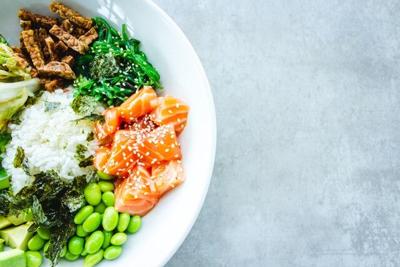

Health is a tricky thing. One person can do certain things and never experience any adverse health issues. But if other people do those same things, they may struggle with their physical and mental health. Emotional trauma, negative experiences, and even the foods you eat can cause and exacerbate mental health issues. When approaching diagnoses like depression, it's essential to look at it from more than one angle. You'll need to focus on any underlying trauma, get medication if required, at least temporarily, and see if there are any dietary changes you can make.
Scientists and researchers have started studying the impact of food on mental health, including depression. While it's essential to work with your medical team as you make any changes, here are some things you can do.
Cut Out Processed Sugar
No one wants to hear that they need to give up candy, cookies, and sugary drinks. But in the world of mental health, these delicious treats can be so much more than a simple moderation issue. Processed sugar and a diet filled with too much grain lead to inflammation. It doesn't sound terrible unless you're dealing with painful joints, headaches, and unexplained, sudden sadness. You'll find that if you want help with depression, changes in your diet go a long way. Cutting out the processed sugar means that you'll gain mental clarity and improved moods, and you may be able to reduce your symptoms of depression.
Eat Nutrient-Dense Foods
Eating foods high in nutrient content like red meat, organically grown fruits and vegetables, fish, and even nuts and seeds can benefit someone's mental health. Those who struggle with depression would benefit significantly from a diet focused on eating foods high in nutrition. These nutrients can help at the cellular level by giving the body everything it needs to function optimally.
Avoid Processed Foods
Some studies show that diets high in calories but low in nutrients can contribute to mental health conditions like depression and bipolar disorders. Some people react so strongly to these foods that by removing them, they can experience almost no symptoms of their mental health conditions.
Watch for Artificial Sweeteners
Artificial sweeteners are another ingredient that should be on a list to avoid if you're having mental health challenges. Because they disrupt the gut microbiome, they are also known to impact your brain chemistry. This means that those who already struggle with depression may be at risk of worsening symptoms when they consume artificial sweeteners. Not only that, but they can also change your gut bacteria, potentially leading to negative GI symptoms.
Use Grass-Fed or Raw Dairy Products More Frequently
Many people shy away from raw dairy products because of the concerns over harmful bacteria. However, some individuals benefit from a diet that allows grass-fed or raw dairy products over the traditional ones in the store. This is because it's not as inflammatory as highly pasteurized dairy. Getting dairy from a local farm with good practices can help reduce the risk of bacterial contamination. Additionally, these products also tend to have helpful probiotics, which also make them a good choice. Others may benefit from a dairy-free diet instead.
Eat More Probiotic Foods
Most people think of yogurt when they consider probiotic foods. Unfortunately, most yogurt products in the grocery store are filled with sugar and other additives, making it a poor choice when you want to add more probiotic foods to your diet. Researchers are now studying the impact of inflammation and gut health on everything from immunity to mental health, and the results are very telling. Eating more fermented foods like kimchi and sauerkraut and even drinking some kombucha may positively impact your depression.
Consume Adequate Amounts of Protein
Did you know that despite our modern diets being filled with a lot of carbohydrates and a significant emphasis on eating fruits and vegetables, many people still aren't consuming adequate amounts of protein? Eating more protein in the form of unprocessed meats, fish, low-inflammatory beans, some cheese, and even nuts and seeds can help reduce some of the symptoms of depression. Protein is a building block in the body from which cells are derived. When a diet is filled with enough protein, people are more likely to experience better moods, improved sleep, and other health benefits that can reduce symptoms of depression.
Supplement With Vitamin D
How often do you get out in the sun? A long time ago, people spent a lot of time outside, which meant that their skin was able to process sunlight to make vitamin D. This vitamin helps with everything from bone density to mood management and more. Vitamin D3 is the best form to use and can be taken regularly. People with darker skin are more prone to deficiencies and may need more supplementation.
Up Your Intake of Magnesium-Rich Foods
Magnesium is another important aspect of your diet. You'll find it in avocados, nuts, fatty fish, bananas, and more. By adding these foods to your diet, you can get natural sources of this important mineral. When it comes to mental health, some people have been able to come off depression or anxiety medications when doctors help them get their magnesium levels into a better place. You may consider supplementing with an excellent bioavailable form if you can't eat enough magnesium to overcome a deficiency. Magnesium glycinate is less harsh on the stomach and digestive system than the typical magnesium citrate.
It's clear that while diet may not be a miracle cure, it can certainly benefit people struggling with depression. From cutting processed sugar to adding in Vitamin D and magnesium, there are many ways to approach your physical and mental health with food. People who make permanent changes to their diet may experience better moods, less depression, and more energy than people who do not.
(0) comments
We welcome your comments
Log In
Post a comment as Guest
Keep it Clean. Please avoid obscene, vulgar, lewd, racist or sexually-oriented language.
PLEASE TURN OFF YOUR CAPS LOCK.
Don't Threaten. Threats of harming another person will not be tolerated.
Be Truthful. Don't knowingly lie about anyone or anything.
Be Nice. No racism, sexism or any sort of -ism that is degrading to another person.
Be Proactive. Use the 'Report' link on each comment to let us know of abusive posts.
Share with Us. We'd love to hear eyewitness accounts, the history behind an article.