
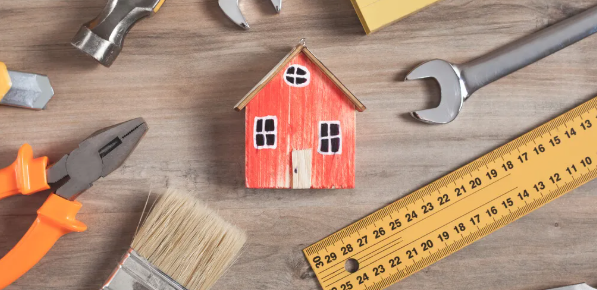
There’s no better feeling than picking up a home improvement project and making your home a better place to live all by yourself. Of course, sometimes you need to hire additional help, especially if some repairs are necessary.
Still, there are many things you can do on your own and you’ll feel such a sense of accomplishment knowing you contributed to making your home a cozy place to live.
Home improvement projects allow you to personalize your living spaces, express your creativity, and even increase the value of the property. From minor upgrades like repainting walls to major renovations such as kitchen remodels, DIY projects can be both fulfilling and cost-effective.
Sometimes, hiring someone to take care of these things can turn out to be quite a pricey venture so it’s much better to do it by yourself if possible.
However, if you decide to pick up a DIY project, it’s crucial to prioritize safety and adhere to legal requirements to avoid injuries and potential legal repercussions, especially if you’re planning on renting out the place or using it as a workspace.
Whether you're installing new flooring, building a backyard deck, or upgrading electrical fixtures, ensuring compliance with safety guidelines and local regulations is essential even for a DIY project.
Why DIY projects are becoming more popular
DIY projects are becoming increasingly popular as homeowners seek cost-effective ways to upgrade their living spaces while expressing their creativity. In fact, $62 of Americans state that the main reason why they take up a DIY project is to save money.
Also, the accessibility of online tutorials, social media inspiration(long live Pinterest), and affordable tools have inspired more people to take on home improvement projects themselves.
Additionally, DIY projects provide a sense of accomplishment and customization that pre-made or professionally done work may not always offer. Many individuals also find it a rewarding hobby that allows them to develop new skills while improving their homes.
The growing emphasis on sustainability and eco-conscious living has further fueled the trend, as people look for ways to repurpose materials and reduce waste in their renovations.
Moreover, repairmen and other people remodeling your house can often do the opposite and damage your property instead of improving it. This often happens when you work with repairmen you just randomly find off the Internet. And naturally, they’re not really open to negotiations nor do they want to pay for the damage. That’s when most homeowners need to get in touch with a personal injury attorney and have them handle the situation.
Essential tips for safe and legal DIY home improvement
If you’re feeling inspired to pick up a DIY project, first you need to make sure you’re actually working with safety as a priority. Also, you need to make sure to follow any related regulations that might pop up along the way.
Research local building codes and permits
Before beginning any home improvement project, it is vital to check local building codes and zoning regulations. Some renovations, such as adding a room or modifying plumbing, require permits. Failing to obtain the necessary permits can lead to fines, legal issues, or even the need to undo the completed work.
Visiting your local government website or contacting a municipal office will help clarify the permit requirements for your project. If any doubts remain, consulting a professional contractor or building inspector can provide the necessary guidance.
Prioritize safety when using tools
DIY projects often involve tools, heavy materials, and potentially dangerous tasks. To minimize risks, it is important to wear protective gear such as gloves, safety glasses, and a dust mask. For those with sight issues, buying prescription wiley x safety glasses online can offer a good way to keep safe and still retain vision.
Reading tool manuals before operating power tools and using them correctly ensures proper handling, especially if it’s your first time using the tool. If working with paints, adhesives, or chemicals, make sure to open all the windows to avoid inhaling harmful fumes.
Having a first-aid kit nearby is also a precautionary step in case of minor accidents. For tasks that involve ladders, electrical work, or heavy lifting, having someone nearby can prevent potential dangers.
Take precautions with electrical and plumbing work
Working with electrical and plumbing systems can be particularly dangerous if done incorrectly. This is maybe one of the things where you should hire a professional if you’re not that experienced with these types of tasks.
If you do opt to do it alone, make sure to turn off the power or water supply. Using a voltage tester to confirm that wires are not live before working on them prevents electrical shocks.
Properly dispose of waste
Home renovations often produce waste, including old paint and construction debris. Following local disposal guidelines for hazardous materials ensures that harmful substances do not contaminate the environment.
Recycling whenever possible minimizes landfill waste, and renting a dumpster for large-scale projects provides a safe and efficient way to remove debris. Many completely forget about this step and they simply throw away the debris without thinking about the consequences.
Keep your worksite secure
If a DIY project extends over multiple days or if it involves more people(such as some close friends who decided to lend you a hand), keeping the worksite safe is essential, especially if there are children or pets in the home.
Storing tools and materials properly prevents accidents while using barriers or warning signs to make sure everyone knows that reconstruction is currently in process. Covering exposed wiring or open spaces reduces hazards and ensures a safer work environment.
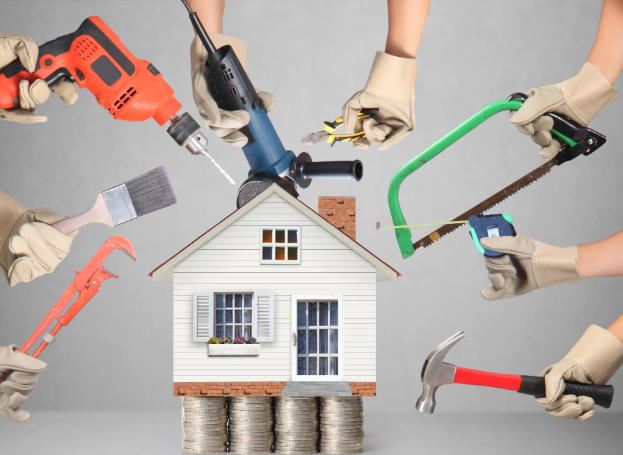
All in all, DIY home improvement projects are a fantastic way to enhance your living space while saving money. But, prioritizing safety and following legal guidelines are also necessary to avoid accidents and legal complications.
Just as you wouldn’t like someone damaging your property, you should also do your best and try not to cause any damage to your beloved home.
By researching building codes, using the appropriate safety measures, and recognizing when professional help is needed, homeowners can complete renovations and feel a huge sense of relief and satisfaction once the work is done.
(0) comments
We welcome your comments
Log In
Post a comment as Guest
Keep it Clean. Please avoid obscene, vulgar, lewd, racist or sexually-oriented language.
PLEASE TURN OFF YOUR CAPS LOCK.
Don't Threaten. Threats of harming another person will not be tolerated.
Be Truthful. Don't knowingly lie about anyone or anything.
Be Nice. No racism, sexism or any sort of -ism that is degrading to another person.
Be Proactive. Use the 'Report' link on each comment to let us know of abusive posts.
Share with Us. We'd love to hear eyewitness accounts, the history behind an article.