
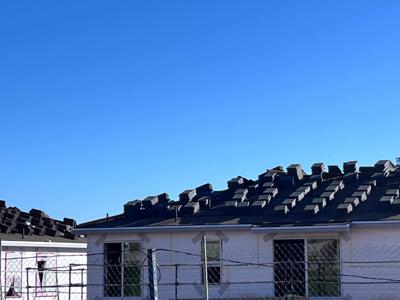

Roof damage can lead to serious structural problems, costly repairs, and compromised safety. By understanding various types of roof damage, homeowners can take proactive steps to protect their property, minimize repair costs, and extend the life of their roof. This guide will help you recognize common issues, know when to call a professional and take effective action.
1. Types of Roof Damage
Roof damage varies depending on the roofing materials used, the age of the roof, and environmental factors. Common types include cracked or missing shingles, water damage, punctures, and sagging areas. Recognizing signs of different roof damage—whether it’s water stains, curling shingles, or areas of discoloration—can give you insight into what’s needed for repair and prevention. This way, you make sure to do exactly what your roof needs.
2. Water Damage and Leaks
Water damage is one of the most pervasive and potentially devastating issues a roof can face. When water penetrates a roof’s exterior, it can cause a cascade of problems—leading to mold growth, wood rot, damaged insulation, and compromised structural integrity. Early signs of water damage often appear as dark or damp spots on ceilings, walls, or attic spaces, which may initially seem minor but can rapidly expand if left untreated. Water can enter through even the smallest cracks, particularly around damaged shingles, deteriorated flashing, or poorly sealed areas around chimneys and vents.
A common source of hidden water damage is condensation in attic spaces, which can accumulate when the roof isn’t properly ventilated. This trapped moisture can contribute to mold growth that spreads along interior walls and flooring, presenting health risks as well. In severe cases, prolonged water exposure can weaken roof support beams, leading to sagging areas and increasing the likelihood of roof collapse. The costs associated with water damage are often high, as repairs may include not only the roof but also interior drywall, flooring, and insulation.
3. Shingle Damage: Cracks, Curling, and Granule Loss
Shingles serve as the primary barrier between your roof and the elements, protecting against moisture, UV rays, wind, and other harsh weather conditions. However, shingles can experience significant wear over time, especially if exposed to extreme weather or poor maintenance. The three most common issues affecting shingles are cracks, curling, and granule loss, each of which poses distinct risks to the integrity of the roof.
Cracked shingles can develop from direct impacts—such as hailstorms or falling branches—or from the natural expansion and contraction that occurs as temperatures fluctuate. These cracks allow water to penetrate beneath the shingle layer, leading to leaks, water damage, and potential mold growth in the underlying roof materials. Even a single cracked shingle can compromise the surrounding shingles, as water may seep into the roofing system over time.
4. Flashing Damage
Flashing is a critical component of a roof’s structure, usually made from metal materials like aluminum, copper, or galvanized steel, designed to create a waterproof seal around protrusions such as chimneys, vents, and skylights. Over time, flashing can deteriorate due to weather exposure, fluctuating temperatures, and moisture. When flashing becomes damaged or improperly sealed, it creates gaps that allow water to penetrate into the roof and underlying layers, leading to leaks that can extend into the home’s interior walls and ceilings.
Corrosion, bending, and loosening are some of the most common issues flashing faces, especially in older roofs where materials may have weakened over time. Poor installation can also be a problem, as flashing that’s not securely attached can lift during heavy winds or intense storms. Even minor flashing issues can evolve into significant damage if ignored, as water penetration around these areas often spreads to other parts of the roof. In severe cases, water can infiltrate insulation and damage structural wood, which may require extensive repairs and even partial roof replacement if left unaddressed.
5. Roof Punctures and Holes
Roof punctures and holes are common forms of damage that can occur due to various factors, including fallen tree branches, hail, wind-blown debris, or even wildlife activity. Although they may seem minor, punctures and holes compromise the roof’s waterproof barrier, allowing moisture to seep into the underlying layers. Over time, this moisture can lead to mold growth, rotting wood, and damage to insulation, which can eventually impact the structural integrity of the home. Small holes are often challenging to detect from ground level, meaning damage can go unnoticed until it has already caused significant issues within the attic or ceiling.
Roof punctures are particularly concerning in areas with frequent storms, where flying debris and heavy winds can exacerbate the problem. High foot traffic on the roof, such as during maintenance or installation of HVAC systems and satellite dishes, can also lead to unintended punctures. Improper installation or lack of protection around rooftop equipment can increase the likelihood of these issues, as workers and equipment may inadvertently cause small tears or dents. Additionally, some types of roofing materials, like asphalt shingles, are more prone to punctures compared to more durable materials like metal or tile.
6. Sagging Roof
A sagging roof is a major structural issue that indicates significant underlying problems. Causes can include water damage, weakened support beams, or the excessive weight of the roofing material. A sagging roof is a safety hazard and requires immediate professional intervention. In some cases, the entire roof structure may need to be rebuilt to ensure the home’s stability.
7. Mold, Mildew, and Algae Growth
Mold, mildew, and algae growth on a roof not only affect its appearance but can also weaken roofing materials over time. These issues are common in damp, shaded areas where moisture can linger. Mold and mildew are also associated with health hazards, as they can lead to respiratory issues when spores become airborne. Regular cleaning and proper ventilation can prevent these growths, and certain shingle types now include algae-resistant properties for added protection.
8. Ice Dams and Snow Damage
In colder climates, ice dams can form when warm air escapes through the roof, causing snow to melt and refreeze along the eaves. This buildup prevents water from properly draining, leading to leaks and water damage. Ice dams can also weigh down the roof structure, which may result in sagging or cracking. Proper insulation and ventilation can help prevent ice dams, while regularly removing snow accumulation reduces stress on the roof.
9. Wind and Storm Damage
High winds and storms can cause considerable roof damage by lifting shingles, loosening flashing, or even tearing parts of the roof off. Storm damage often leaves roofs exposed to the elements, increasing the risk of water damage and structural deterioration. After a major storm, it’s wise to conduct a thorough inspection or hire a professional to assess potential problems, even if they’re not immediately visible.
While some roof damage is inevitable, regular maintenance and inspections can greatly extend your roof’s life. Address minor issues promptly to prevent them from becoming larger, costly repairs.
(0) comments
We welcome your comments
Log In
Post a comment as Guest
Keep it Clean. Please avoid obscene, vulgar, lewd, racist or sexually-oriented language.
PLEASE TURN OFF YOUR CAPS LOCK.
Don't Threaten. Threats of harming another person will not be tolerated.
Be Truthful. Don't knowingly lie about anyone or anything.
Be Nice. No racism, sexism or any sort of -ism that is degrading to another person.
Be Proactive. Use the 'Report' link on each comment to let us know of abusive posts.
Share with Us. We'd love to hear eyewitness accounts, the history behind an article.