
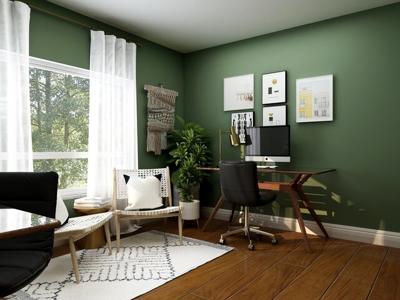

While this past year has not seen a significant difference in design inclinations from 2020, experts believe that 2022 is when homeowners will take bolder steps to enhance the design of their homes.
U.S. lifestyle magazine Veranda recently released an article detailing the trends top designers think will rule 2022. Among the biggest ways that homeowners will spice up their homes in 2022 are the mixing and matching colors and patterns.
This inclination to louder and brighter styles is a response to the slowly changing tide of the economy. People are becoming less conservative about their choices and more open to experimentation.
Now that vibrant colors and loud patterns are in, homeowners who opt to do their interior designing themselves must find tasteful ways to introduce more colors and patterns in their homes. This cannot be very clear for some, but simple principles will help you create a well-designed space full of color and design.
The Basic Principles of Pattern Mixing
When done right, pattern mixing breathes new life into any home. It can even be the key to making your home look brand new. These are the best ways to combine your patterns well.
1. Play with complicated and straightforward patterns.
You can settle on a busy pattern that you want to highlight in your design in the process of choosing the correct pattern for your room. When you want to use a particularly intricate pattern, keep the focus on it by surrounding it with simpler designs that help it stand out instead of those that compete with that pattern.
For instance, if you want to highlight a bold pattern on your carpet, do not hesitate to still have a pattern on your floors. However, it is better to use muted patterns instead, such as light, textured wood. Consult your wood flooring supplier to find the right shade and finish that works with the pattern you will use for your room.
2. Use different sizes for variety.
Haphazardly mixing patterns in various elements of your room can make the room look flat or messy instead of adding depth to it. A simple way to avoid this is to use different scales for every layer you introduce to the room.
Choose a "main" pattern that you will incorporate on a larger scale. Then add accents with patterns in smaller scales. When you want to use potentially overpowering patterns, add them through smaller pieces, such as throw pillowcases or a flower vase.
Scaling your patterns also allows you to maximize even just one pattern in the space. Yes, you can introduce the same pattern but have it in varying sizes and shades across the room. This lets you play with patterns while maintaining a common thread for the theme of your room.
3. Stick with a select few patterns only.
You do not have to go all out on bringing patterns together into space. Especially when it is your first time, choosing four patterns to combine is advisable to avoid overwhelming the room.
To ensure that the patterns you choose go well with each other, aside from scaling the same pattern, you can select designs from the same family or style. For example, stick with geometric patterns to emphasize the modern aesthetic of your home. This still gives you plenty of choices, such as isometric cubes and triangles to simple lines.
4. Choose colors that blend well together.
An intelligent way to unify patterns that do not mesh well or bold patterns that will potentially clash is to decide on an overarching color scheme that guides everything in the room, from wallpaper and wall color to furniture and decorations.
Employ the help of the color wheel to find out what colors and shades will mix well in your room. You can also decide if you want the room to be cooler or warmer, guiding your color choices.
Avoiding the Wrong Pattern Combinations
These four principles take you a long way in designing the vibrant home of your dreams. However, remember that your household's tastes or even your preferences could differ.
The best way to find out if you will be happy to see certain pattern combinations in your home is to virtually mix and match them first to confirm how you feel about them. Classic trial and error helps you know which combinations sit right with your design sense and which ones do not please your eyes, helping you build a patterned home that you love.

(0) comments
We welcome your comments
Log In
Post a comment as Guest
Keep it Clean. Please avoid obscene, vulgar, lewd, racist or sexually-oriented language.
PLEASE TURN OFF YOUR CAPS LOCK.
Don't Threaten. Threats of harming another person will not be tolerated.
Be Truthful. Don't knowingly lie about anyone or anything.
Be Nice. No racism, sexism or any sort of -ism that is degrading to another person.
Be Proactive. Use the 'Report' link on each comment to let us know of abusive posts.
Share with Us. We'd love to hear eyewitness accounts, the history behind an article.