
Driving down the road when your vehicle starts acting up can trigger instant stress. A quiet commute quickly turns into a stressful situation when strange noises or dashboard lights appear. Knowing how to respond keeps minor mechanical issues from becoming dangerous hazards.

Pay Attention to Unusual Dashboard Warning Lights
Modern vehicles rely on sensors to monitor engine performance. Dashboard warning lights provide immediate notice when internal systems detect operational errors. Ignoring these illuminated symbols allows small bugs to turn into costly damage.
A glowing check engine symbol warrants diagnostic scans at a local service center. Bright red indicator icons signal urgent issues demanding immediate safety attention. Yellow or amber lights offer early warnings for routine component wear or minor system checks.
Stopping safely lets you consult the vehicle owner manual for direct guidance. Owner manuals explain exact symbol meanings and outline recommended safety steps. Taking quick action prevents sudden roadside breakdowns during daily travel.
Monitor Changes in How Your Vehicle Handles
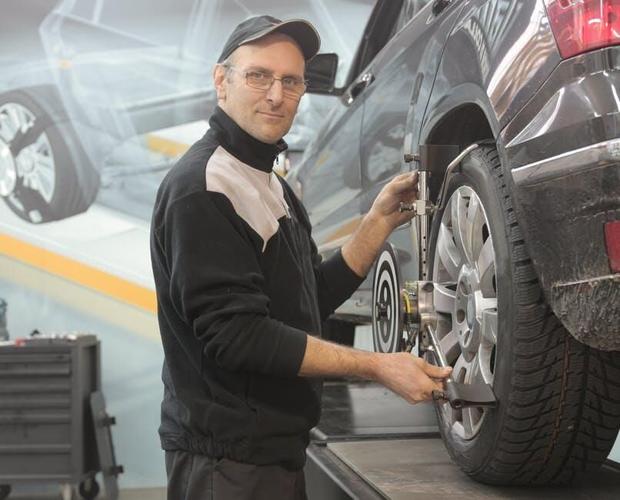
Vibrations or steering pull indicate wheel alignment or tire wear problems. Scheduling an inspection at an auto repair shop in West Boerne, TX, or near the area gives drivers a clear diagnosis before minor defects turn into major safety hazards. Early diagnostics save time and protect mechanical components from permanent damage.
Smooth handling demands balanced tires, functional suspension struts, and clear steering linkages. Loose steering responses create safety hazards on high-speed roadways. Proper repairs restore road stability quickly for everyday trips.
Suspension wear manifests gradually across daily driving routes. Subtle pulls to one side during braking demand professional attention. Staying alert to handling shifts protects steering control.
Listen Closely to Strange Engine and Brake Noises
Unfamiliar sounds coming from under the hood or near wheels indicate mechanical stress. Belts, bearings, and brake pads create distinct sounds as they wear down. Recognizing these audio cues helps drivers isolate problems early.
- Squealing noises during braking signal worn friction pads inside wheel assemblies.
- Grinding sounds point toward severe metal component contact within brake rotors.
- Knocking in the engine bay suggests severe internal lubrication issues or rod wear.
- Loud squeaking under acceleration reveals loose serpentine belts needing adjustment.
Paying attention to sound patterns helps technicians locate trouble quickly during inspections. Documenting when sounds happen aids diagnostic accuracy for local mechanics. Fixing noisy components prevents total mechanical failure on busy roads.
Watch Out for Leaks and Strange Smells
Fluids keep engine parts lubricated, cool, and operating smoothly under pressure. Finding liquid puddles under your parked car signals fluid system leaks. Smells inside the cabin point to burning oil or hot coolant leaks.
Bright green or pink liquid indicates engine coolant leaks near hoses or radiators. Dark brown or black drops reveal engine oil pan leaks or valve cover seal wear. Reddish fluid near the front bumper indicates power steering or transmission fluid issues.
Burnt rubber smells suggest slipping drive belts contacting hot engine blocks. Sweet syrupy odors signal leaking radiator fluid inside heating ducts. Addressing leaks keeps vehicle systems properly lubricated and running cold.
Safety Protocols When Pulling Over on the Highway
Sudden vehicle breakdowns on busy freeways come with calm safety steps. Driver safety takes priority over vehicle assessment during high-speed traffic situations. Taking quick steps keeps occupants protected from oncoming traffic on the shoulder.
- Activate hazard warning lights to alert approaching traffic immediately
- Ease off the accelerator pedal and signal intent to change lanes safely
- Guide the vehicle onto the outer shoulder space far from traffic lanes
- Stay inside the vehicle with seatbelts fastened if shoulder space is narrow
Calling roadside assistance from inside the cabin minimizes personal danger on busy highways. Setting up safety flares or reflective triangles helps oncoming drivers spot your stranded vehicle. Clear communication with emergency dispatchers hastens roadside assistance arrival times.
Budgeting for Unexpected Mechanical Failures
Vehicle ownership involves continuous operating expenses with unexpected maintenance needs. Building a dedicated repair fund prevents financial strain when mechanical parts fail. Setting aside funds monthly helps cushion unexpected repair bills.
Owning and operating a new vehicle costs an average of $11,577 per year, or around $965 monthly. Full ownership expenses highlight the value of ongoing maintenance budgeting. Allocating funds prevents maintenance delays when problems surface.
Delayed repairs lead to compounding component failures throughout the drivetrain. Budgeting regular service fees protects monthly household finances against unexpected shocks. Financial planning removes panic from sudden vehicle repair needs.
Finding a Qualified Mechanic to Fix Issues
To select a reliable service center, look at certifications, customer reviews, and technician experience. Independent shops and dealership service bays offer distinct diagnostic advantages. Quality shops communicate repair needs clearly before starting work on your car.
About 31% of repair facilities rank technician shortages as their top operational difficulty. Finding skilled repair shops early helps avoid repair scheduling delays.
Asking for detailed written estimates prevents surprise charges on final invoices. Clear communication with mechanics establishes healthy service relationships. Trusted mechanics keep vehicle service history records accurate.
Preventive Maintenance Practices That Prevent Breakdowns
Routine servicing extends vehicle longevity and prevents major component failures. Replacing fluids, filters, and wear items on schedule prevents unexpected breakdowns during road trips. Consistent upkeep maintains optimal engine power and fuel efficiency.
An auto repair resource recommends flushing your coolant system every 30,000 to 50,000 miles. Adhering to manufacturer maintenance schedules keeps cooling systems clear of internal debris. Fresh fluids protect sensitive internal metal parts from rust and thermal damage.
Checking tire pressure monthly prevents uneven tread wear and saves fuel money. Routine vehicle checks uncover early component fatigue before breakages happen.
Creating an Emergency Kit for Roadside Preparedness
Carrying emergency supplies keeps drivers safe during unexpected roadside delays. Equipment helps manage minor situations until professional help arrives at your location. Storing tools inside the trunk keeps items organized and accessible during emergencies.
A fully stocked roadside kit includes heavy jumper cables, flashlights, and extra batteries. First aid items, tire pressure gauges, and bottled water support passenger comfort during waits. Sturdy work gloves protect hands during tire changes or under-hood checks.
Updating emergency supplies seasonally guarantees functionality when emergencies occur on trips. Checking flashlight battery power twice yearly prevents surprises in dark nighttime situations. Preparation turns stressful breakdowns into manageable events for every driver.

Staying alert to dashboard lights, strange sounds, and shifting handling performance gives you early notice of trouble. Partnering with certified service professionals guarantees that your car receives accurate repairs. Regular upkeep builds driving confidence and keeps your automobile operating reliably.

(0) comments
We welcome your comments
Log In
Post a comment as Guest
Keep it Clean. Please avoid obscene, vulgar, lewd, racist or sexually-oriented language.
PLEASE TURN OFF YOUR CAPS LOCK.
Don't Threaten. Threats of harming another person will not be tolerated.
Be Truthful. Don't knowingly lie about anyone or anything.
Be Nice. No racism, sexism or any sort of -ism that is degrading to another person.
Be Proactive. Use the 'Report' link on each comment to let us know of abusive posts.
Share with Us. We'd love to hear eyewitness accounts, the history behind an article.