
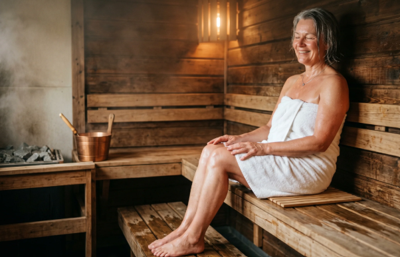

As the wellness sector embraces convenient longevity practices for all users, there is one surprising population that is spearheading home improvement trends: the elderly. Instead of solely depending on regular commercial spas and health clubs, seniors are now opting to build saunas at home.
What primarily motivates the emerging trend? Convenience, security, and control of the bathing experience have become the priorities of the current times. Unlike in the past when heating therapy depended on burning woods or steam rooms that were located in the open public places, senior citizens are embracing this practice in a contemporary way to ease joint pain, improve their heart, and sleep better.
The Push for Accessibility and Precise Temperature Control
In adapting the home to live in place, convenience and predictability of safety come before rustic charm.
With regard to older people, use of a wood-burning stove entails carrying and disposing of wood and ash as well as coping with sudden changes in temperature. An electric heater for saunas This method totally removes these physical limitations and provides a digital switch that will enable the heating of the sauna to a perfect preset temperature in just a few minutes.
The thermostatic control is very essential for elderly people since the ability of the body to control its temperature changes slightly with age, and hence extreme heat could be dangerous. An automatic and reliable system will ensure that one reaches the perfect temperature range that could be set by the individual from 150°F to 175°F.
Why Heat Therapy Matters for Senior Physiology
Sweating in a controlled setting provides moderate cardiovascular exercise with expansion of blood vessels and a rise in heart rate, without the impact on the joints that would occur with high-intensity exercise. Regular exposure to heat has been shown in clinical research to directly address the major chronic conditions seniors experience.
The circulatory system and Heart Maintenance
Within the sauna, the heat dilates the blood vessels (vasodilation) which greatly improves circulation to the distal extremities. This process helps keep the arteries flexible, which helps to keep blood pressure controlled and decreases the total workload of the heart. It has been noted that older people who are doing heat therapy sessions, have a much lower risk of cardiovascular events when compared to people who are not undertaking heat therapy.
Genuine alleviation from Joint soreness and stiffness
For those individuals who suffer from osteoarthritis or other joint problems, morning stiffness may cause difficulty in carrying out their normal daily routine tasks. The warm glow filters through into your body, soothing and mellowing any tight tissues, and moving the synovial fluid in your joints.
Deep Sleep Induction
Many seniors experience disturbed sleep, which may be caused by a disruption in their circadian rhythms or due to pain. The use of a sauna causes the body’s temperature to rise, but once one gets out of the sauna, the cooling process causes the brain to produce melatonin. This process is crucial for enabling deep sleep.
Evaluating Home Sauna Configurations
When selecting an indoor setup, seniors must choose the heating methodology that matches their physical tolerances and spatial limitations.
Sauna Category | Primary Heat Delivery Mechanism | Average Operating Temperature Range | Main Advantages for Seniors |
|---|---|---|---|
Traditional Dry Sauna | Convection heat via rock elements; optional water splash for humidity burst. | 160°F – 195°F | Delivers classic intense heat, promotes robust sweating, and offers respiratory relief via steam. |
Infrared Sauna Cabin | Radiant light waves heating the body directly rather than the ambient air. | 115°F – 140°F | Highly tolerable, lower ambient heat load, and easier on individuals with respiratory sensitivity. |
Crucial Safety Guidelines for Older Bathers
Though home heat therapy is associated with a wide range of health effects, its implementation should be done carefully and thoughtfully.
Talk to a doctor before any exercise: For people with a disease or who are taking medication which may affect fluid, as well as those who are suffering from heart disease, it is important to talk to a doctor first before engaging in any type of exercise.
Keep Yourself Hydrated: The body loses a great amount of fluids and electrolytes in the process of sweating. Drink an 8-oz cup of water both prior to entering the cabin and right after leaving it.
Start Sessions Small: Only do 5-10 minute sessions at first. As the tolerance increases in time, gradually extend the sauna time to a maximum of 20 minutes.
Ease in to Alternations of Cool-Downs: Avoid going straight to take showers or dip in freezing water immediately after coming out of the hot environment. Quick temperature variations may result in sharp changes in the pressure; instead, take a gradual cool-down at room temperature.
For seniors, heat therapy can offer a practical and non-pharmaceutical solution to regain control of their physical well-being, making it an ideal addition to their home care routine. Taking the time to choose a electric heater for saunas that eliminates the physical burden of wood-chopping and ash management, making the sauna a safe, highly controlled, low maintenance wellness asset for older people. An indoor sauna is a great foundation for an active, comfortable lifestyle in place when coupled with smart hydration practices and proper time and temperature management.


(0) comments
We welcome your comments
Log In
Post a comment as Guest
Keep it Clean. Please avoid obscene, vulgar, lewd, racist or sexually-oriented language.
PLEASE TURN OFF YOUR CAPS LOCK.
Don't Threaten. Threats of harming another person will not be tolerated.
Be Truthful. Don't knowingly lie about anyone or anything.
Be Nice. No racism, sexism or any sort of -ism that is degrading to another person.
Be Proactive. Use the 'Report' link on each comment to let us know of abusive posts.
Share with Us. We'd love to hear eyewitness accounts, the history behind an article.