
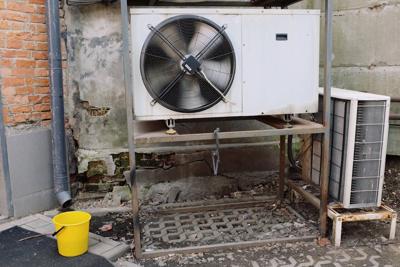

Heating and cooling your home is essential for comfort year-round, but many homeowners need to realize the importance of maintaining their HVAC system. A malfunctioning or inefficient HVAC system could lead to higher utility bills, uncomfortable indoor temperatures, and possibly even expensive repairs down the road. With proper maintenance and care, however, your HVAC equipment can last for decades while keeping your energy costs low and your family content.
In this article, we will discuss the best practices for maintaining residential HVAC systems across different regions of the USA, from seasonal tune-ups to filter changes and other regular maintenance tasks. Following these tips can help optimize performance, extend the lifespan of your HVAC equipment, and save you money - all while keeping your indoor environment cozy no matter the weather outside.
Seasonal Tune-Ups
Just like any other mechanical equipment, your HVAC system requires routine maintenance to ensure smooth and efficient operation. This is why it's crucial to schedule seasonal tune-ups for your heating and cooling systems. In the spring, before temperatures start rising, it's recommended to have an HVAC technician perform a thorough check-up of your air conditioning unit. Similarly, in the fall, before winter kicks in, it's advisable to have a professional inspect your heating system.
These tune-ups could include cleaning and lubricating components, checking for any worn or damaged parts, and making necessary adjustments to optimize performance. By having these seasonal check-ups done regularly, you can catch potential problems early on and avoid costly repairs or replacements later down the line. The best air conditioning in Phoenix recommends scheduling tune-ups at least twice a year for optimal results.
Filter Changes
One of the simplest yet most effective maintenance tasks you can do for your HVAC system is changing the air filter regularly. The filter's job is crucial as it acts as the first line of defense by trapping dust, debris, and various pollutants from entering the system. However, as time passes, the filter can accumulate dirt, causing it to become clogged. This buildup restricts airflow, leading to your HVAC equipment working harder to maintain your home's comfort levels. This increased workload not only strains the system but also diminishes its efficiency, resulting in higher energy bills for you.
To avoid these detrimental effects, experts recommend changing your air filter every 1-3 months. The frequency may vary based on factors such as the type of filter you use and your home's air quality. By staying diligent with this simple task, you not only enhance the indoor air quality of your home but also ensure your HVAC system operates smoothly and efficiently, promoting a healthier and more comfortable living environment for you and your family.
Other Important Maintenance Tasks
In addition to seasonal tune-ups and regular filter changes, there are other maintenance tasks that you should include in your HVAC upkeep routine. These include cleaning the condenser coils, checking and clearing any blockages around outdoor units, and inspecting ductwork for leaks. It's also important to keep an eye on the thermostat settings and make sure they're accurately reflecting the temperature inside your home.
Moreover, it's crucial to pay attention to any unusual noises, odors, or changes in your HVAC system's performance. These could be indications of underlying issues that require professional attention. By staying vigilant and addressing any potential problems promptly, you can prevent them from escalating into more significant and costly repairs.
Benefits of Regular HVAC Maintenance
Maintaining your HVAC system with regular care brings a multitude of advantages beyond simply avoiding breakdowns. Firstly, it significantly enhances your system's efficiency, which translates to lower energy consumption and reduced utility bills. A well-maintained unit operates effectively, requiring less energy to heat or cool your home to the desired temperature. This not only makes your home more environmentally friendly but also contributes to substantial savings over time.
Secondly, the longevity of your HVAC system significantly increases with consistent maintenance. Systems that are regularly checked and serviced can outlast neglected ones by several years. This extended lifespan means you can defer the substantial cost of system replacement, providing more value from your initial investment.
Additionally, regular maintenance ensures that your home's air quality remains high. Clean filters and coils mean fewer pollutants and allergens are circulated throughout your home, creating a healthier living environment. This is particularly beneficial for family members with allergies or respiratory conditions, as it can help reduce irritation and symptoms related to poor air quality.
Conclusion
In conclusion, investing in routine HVAC maintenance is a smart move for any homeowner. Not only does it keep your system running at peak performance and efficiency, but it also contributes to a healthier indoor environment and can save you money in both short-term repairs and long-term utility costs. By following the best practices outlined in this article, you can ensure your HVAC system provides reliable and comfortable climate control for many years to come. So don't wait until something goes wrong - schedule your seasonal tune-ups, change those filters regularly, and incorporate other maintenance tasks into your routine for optimal performance and peace of mind.

(0) comments
We welcome your comments
Log In
Post a comment as Guest
Keep it Clean. Please avoid obscene, vulgar, lewd, racist or sexually-oriented language.
PLEASE TURN OFF YOUR CAPS LOCK.
Don't Threaten. Threats of harming another person will not be tolerated.
Be Truthful. Don't knowingly lie about anyone or anything.
Be Nice. No racism, sexism or any sort of -ism that is degrading to another person.
Be Proactive. Use the 'Report' link on each comment to let us know of abusive posts.
Share with Us. We'd love to hear eyewitness accounts, the history behind an article.