
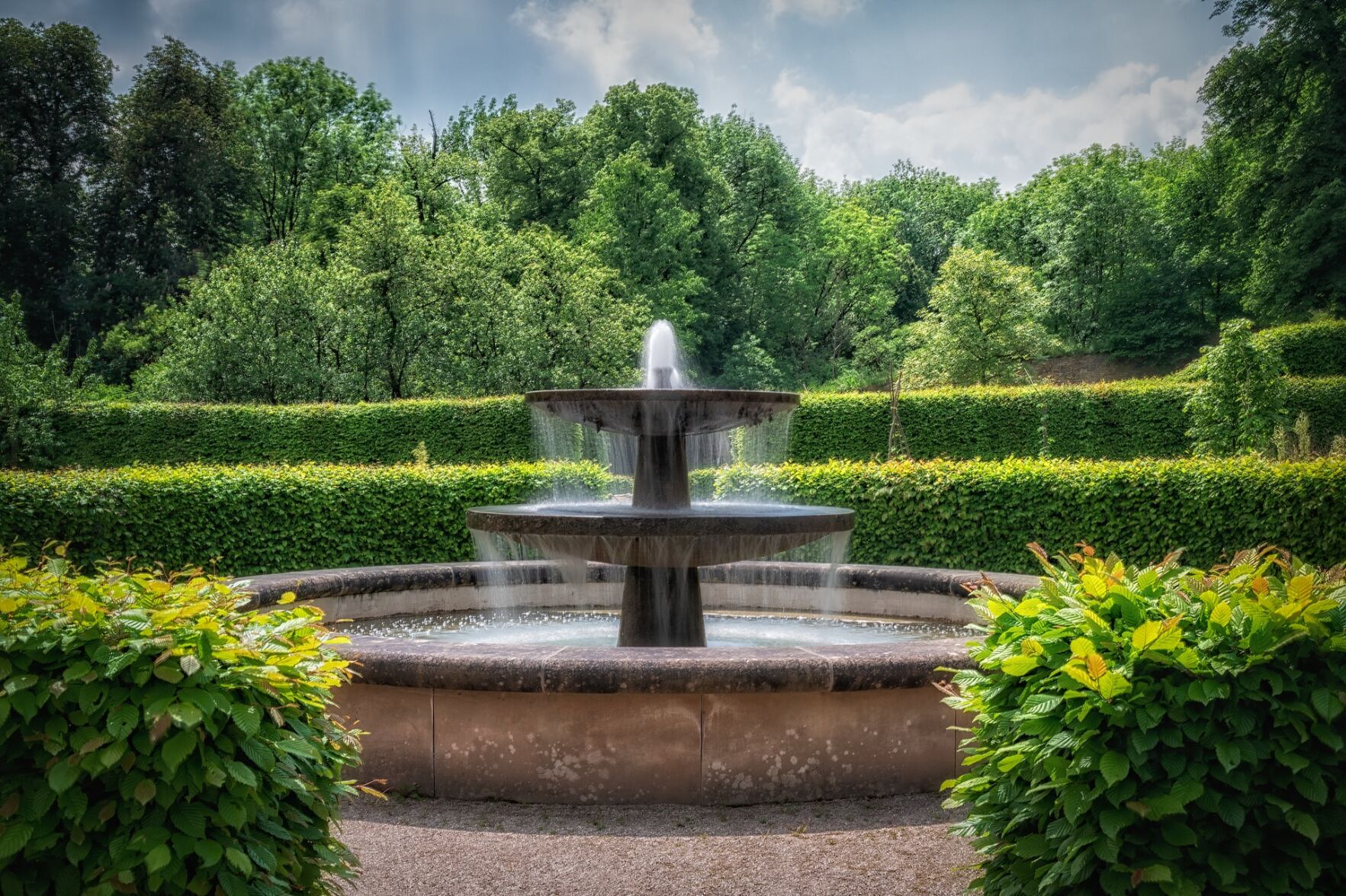
When it comes to enhancing the beauty and tranquility of outdoor spaces, few elements can rival the allure of a well-designed fountain. Outdoor fountains have been a staple of architectural and landscape design for centuries, captivating the senses and creating a serene ambiance. From classic to contemporary, outdoor fountain styles have evolved over time, offering a diverse range of options to suit different tastes and preferences. In this article, we will delve into the world of outdoor fountains, exploring their rich history and the various styles available today, with expert input from industry leaders at Soothing Company.
I. The Timeless Elegance of Classic Fountains
Classic fountains are a testament to the enduring appeal of traditional design. Inspired by ancient civilizations such as the Greeks and Romans, classic fountain styles exude a sense of grandeur and elegance. Here are a few noteworthy examples:
- Tiered Fountains: Reminiscent of the opulent fountains found in European gardens, these fountains feature multiple basin levels that gradually overflow into one another. The water cascades down gracefully, creating a mesmerizing visual display and a soothing sound.
- Wall Fountains: Wall fountains are designed to be mounted on walls or structures, adding a touch of sophistication to any outdoor setting. Often adorned with intricate carvings and decorative motifs, these fountains are both visually appealing and space-saving.
- Statue Fountains: Statue fountains combine the beauty of sculpture with the functionality of a water feature. These fountains feature a central statue or figurine from which water flows, creating a striking focal point in gardens, courtyards, or entryways.
II. Embracing Modernity: Contemporary Fountain Styles
As the world of design continues to evolve, so does the realm of outdoor fountains. Contemporary fountain styles offer a refreshing departure from traditional designs, incorporating innovative materials, minimalist aesthetics, and cutting-edge technology. Here are a few examples of contemporary fountain styles:
- Minimalist Fountains: Inspired by the principles of simplicity and clean lines, minimalist fountains emphasize a sleek and uncluttered design. These fountains often feature geometric shapes, smooth surfaces, and subdued color palettes, creating a sense of harmony and tranquility.
- Interactive Fountains: Adding an element of interactivity, these fountains engage visitors and invite them to be a part of the experience. Interactive fountains often incorporate water jets that respond to motion or touch, allowing people to playfully interact with the water feature.
- Architectural Fountains: Blurring the lines between art and architecture, architectural fountains are designed to make a bold statement. These fountains can feature unconventional shapes, dynamic water movements, and integrated lighting, transforming outdoor spaces into captivating works of art.
III. Materials and Finishes: Exploring Options
Outdoor fountains come in a variety of materials and finishes, each offering its own unique charm and durability. The choice of materials can greatly influence the overall aesthetic and maintenance requirements of the fountain. Here are some common materials used in outdoor fountain construction:
- Stone: Stone fountains, crafted from materials such as marble, granite, or limestone, exude a sense of timeless beauty and durability. These fountains can blend seamlessly with both classic and contemporary designs, adding a touch of natural elegance to outdoor spaces.
- Metal: Metal fountains, such as those made from copper or stainless steel, offer a modern and sleek appearance. The reflective qualities of metal can create stunning visual effects, especially when paired with water movement and lighting.
- Fiberglass: Fiberglass fountains are a lightweight and versatile option that can mimic the appearance of other materials, including stone or concrete. They are easy to maintain and often more affordable, making them a popular choice for many outdoor enthusiasts.
- Concrete: Concrete fountains are known for their durability and versatility. They can be molded into various shapes and sizes, allowing for customization and creativity in design. Concrete fountains can be finished with different textures or coatings to achieve the desired look, whether it's smooth and sleek or rough and rustic.
- Glass: Glass fountains add a touch of contemporary elegance and sophistication. The transparency and translucency of glass create a mesmerizing effect when combined with flowing water and lighting. Glass fountains can be created using tempered or recycled glass, making them environmentally friendly options as well.
IV. Factors to Consider when Choosing an Outdoor Fountain
With the wide array of outdoor fountain styles available, choosing the right one for your space can be an exciting yet daunting task. Consider the following factors to help you make an informed decision:
- Space and Scale: Assess the size and layout of your outdoor area to determine the appropriate size and scale of the fountain. A small courtyard may benefit from a wall-mounted or tabletop fountain, while a larger garden might accommodate a grand tiered fountain as a centerpiece.
- Style and Theme: Consider the overall style and theme of your outdoor space. Classic fountain styles may complement traditional and formal gardens, while contemporary fountain designs can add a modern touch to minimalist or eclectic landscapes. Choose a fountain that harmonizes with the existing aesthetics of your space.
- Maintenance and Upkeep: Different fountain materials and styles require varying degrees of maintenance. Consider your willingness and ability to maintain the fountain regularly. For instance, stone fountains may require periodic sealing and cleaning, while fiberglass or metal fountains may be easier to maintain.
- Water Supply and Accessibility: Ensure that you have access to a water source and a power supply, as most outdoor fountains require both. Consider the practicality of installation and any necessary plumbing or electrical work.
- Budget: Set a budget for your outdoor fountain project. Prices can vary greatly depending on the size, material, and complexity of the fountain. Consider your budgetary constraints and explore options that offer the best value for your investment.
Conclusion
In conclusion, the versatility of outdoor fountain styles offers a wide range of options to suit every taste and enhance the beauty of outdoor spaces. Whether you prefer the timeless elegance of classic designs or the sleek simplicity of contemporary aesthetics, there is a fountain style to create a tranquil haven in your outdoor oasis. By considering factors such as space, style, maintenance, water supply, and budget, you can make an informed decision and find the perfect fountain that will captivate your senses and transform your outdoor space into a serene and inviting retreat. Embrace the soothing sound of flowing water and let the allure of outdoor fountains elevate the ambiance of your outdoor environment.
Here are Some Other Articles Related to Your Search:
3 Benefits of an Outdoor Fountain
10 Unique Ways to Make Your Lawn Pop
Five Yard Features That Will Dramatically Boost Property Value
(0) comments
We welcome your comments
Log In
Post a comment as Guest
Keep it Clean. Please avoid obscene, vulgar, lewd, racist or sexually-oriented language.
PLEASE TURN OFF YOUR CAPS LOCK.
Don't Threaten. Threats of harming another person will not be tolerated.
Be Truthful. Don't knowingly lie about anyone or anything.
Be Nice. No racism, sexism or any sort of -ism that is degrading to another person.
Be Proactive. Use the 'Report' link on each comment to let us know of abusive posts.
Share with Us. We'd love to hear eyewitness accounts, the history behind an article.