
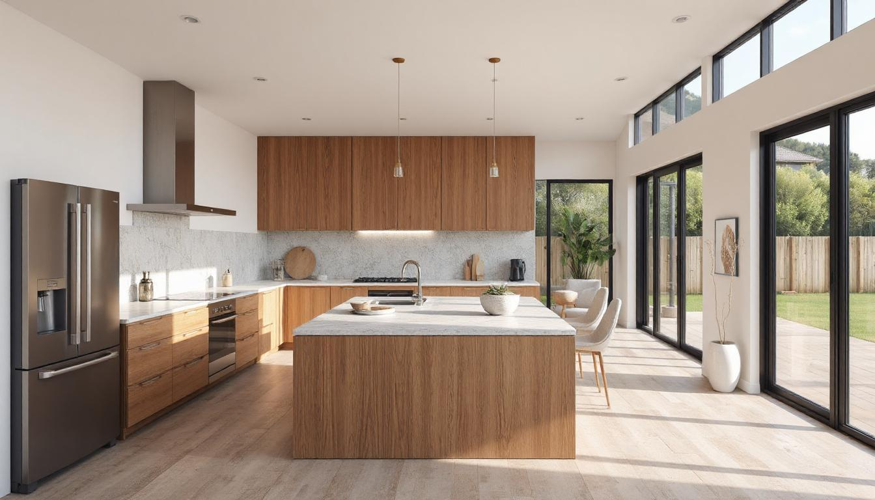
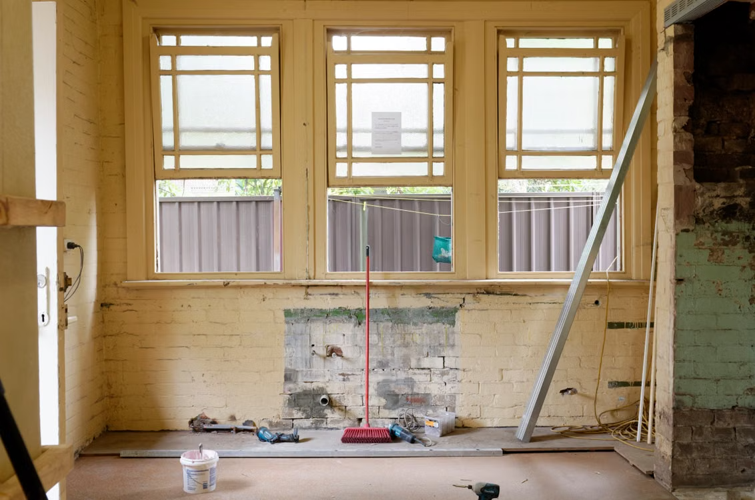
A beautifully renovated home can look effortless. The process of getting there rarely is.
The kitchen island is chosen, the bathroom tile is ordered, and the contractor has provided an estimate that seems manageable. Then demolition begins. Old plumbing needs replacing, the electrical system requires an upgrade, and the custom cabinetry costs considerably more than expected.
Suddenly, the renovation budget looks very different.
The most expensive home renovation mistakes aren't necessarily dramatic construction disasters. Often, they're ordinary decisions made too early, too quickly, or without enough information.
And although good design matters, the real luxury of a successful renovation is knowing that the finished home will function beautifully without leaving its owners with years of financial regret.
Here are the decisions worth getting right before construction begins.
The Most Expensive Mistake Is Renovating Without a Clear Purpose
It's easy to fall in love with inspiration photographs. A dramatic marble kitchen, an oversized bathroom, or a beautifully appointed dressing room can make almost any renovation feel exciting.
But before choosing finishes, homeowners should ask a more important question: What problem are we actually trying to solve?
Perhaps the kitchen doesn't need to be completely redesigned. It might simply need better preparation space, improved lighting, and more accessible storage.
A dated bathroom might benefit from new fixtures, ventilation, and finishes without moving every plumbing connection.
And sometimes, the smartest renovation decision is preserving something that already works.
As FINE explored in The Modern Kitchen Reset That Makes Daily Cooking Feel Easier, thoughtful improvements to organization and daily functionality can make a meaningful difference without requiring major construction.
Before approving demolition, divide your renovation goals into three categories: essential improvements, worthwhile upgrades, and purely decorative additions.
This simple exercise gives homeowners a valuable decision-making tool when costs begin to rise. It also helps avoid the expensive temptation to replace perfectly functional features simply because everything else is changing.
A Renovation Budget Is More Than the Contractor's Estimate
One of the biggest financial mistakes homeowners make is assuming the first renovation estimate represents the final project cost.
In reality, that number may not account for every expense.
Permit fees, design revisions, material upgrades, delivery charges, temporary accommodations, and problems discovered behind walls can all change the financial picture.
Material allowances deserve particular attention.
Imagine a contractor includes $3,000 for kitchen countertops, but the stone, fabrication, and installation you eventually choose total $5,500.
That's an additional $2,500 before anything unexpected has happened.
Ask contractors to distinguish fixed-price work from estimated allowances, excluded items, and costs that cannot be confirmed until demolition.
It is equally important to establish a separate contingency.
For example, a homeowner with an $80,000 renovation estimate who reserves an additional 15% would need $92,000 in available project funding. That $12,000 reserve is an illustrative planning allowance, not a guarantee that unexpected costs will remain within it.
Older homes and extensive structural renovations may require a larger reserve based on professional assessments.
Most importantly, establish your absolute spending limit before construction begins. If that limit includes the contingency, don't treat the reserve as extra money available for decorative upgrades.
The most effective renovation budgets account for uncertainty instead of pretending it won't happen.
The Lowest Contractor Quote Isn't Always the Best Deal
Three contractors provide estimates for the same renovation.
One quotes $48,000. Another quotes $57,000. The third quotes $65,000.
Naturally, the first estimate looks attractive.
But suppose the $48,000 proposal excludes electrical upgrades, demolition disposal, countertop installation, and several finishing details. The apparent savings may disappear once those costs are included.
This is why comparing renovation estimates requires more than comparing totals.
Each contractor should receive the same drawings, specifications, and project requirements. Homeowners should then examine what's included, what's excluded, and which expenses remain uncertain.
The Federal Trade Commission's guidance on avoiding home improvement scams recommends obtaining multiple written estimates, checking contractor credentials, and carefully reviewing agreements.
Homeowners should verify the licensing requirements that apply to their project in their own state or local jurisdiction. If a license or registration is required, confirm that the contractor holds the appropriate current credential with the relevant authority.
Also verify insurance coverage, request references from recent clients, and ask about experience completing projects of similar size and complexity.
A reliable contractor should be comfortable discussing the less glamorous parts of the job: subcontractors, permits, cleanup, delays, workmanship warranties, and responsibility when something goes wrong.
A transparent $57,000 proposal may ultimately offer better value than a $48,000 estimate filled with unanswered questions.
A Beautiful Layout Can Still Be a Bad Renovation
An oversized kitchen island looks spectacular in a rendering. But can the dishwasher open fully when someone is standing at the sink?
A freestanding bathtub creates an elegant focal point. But will there be enough clearance to clean around it?
A wall of built-in wardrobes looks impressive. But what happens when an open drawer blocks the bedroom door?
These are the design details that can be surprisingly expensive to correct after installation.
Before finalizing a layout, confirm appliance dimensions, door swings, furniture clearances, circulation routes, and the position of electrical outlets and plumbing connections.
For substantial changes, ask your designer to walk through realistic everyday scenarios rather than focusing exclusively on how the room will look.
It's also worth considering how much storage the home actually needs. FINE's feature on The Art of Hidden Storage — How to Keep a Beautiful Home Clutter-Free demonstrates how thoughtful cabinetry can preserve a room's elegance while making daily life more manageable.
The most luxurious layout isn't necessarily the most elaborate. It's the one that works naturally, without constant compromises.
Spend More on What Is Expensive to Fix Later
Not every surface, fixture, or finish requires the premium option.
The smarter approach is to distinguish between elements that are easy to update and those that become costly once construction is complete.
Waterproofing, plumbing connections, electrical infrastructure, ventilation, and structural work deserve particular attention.
A decorative light fixture can often be replaced relatively easily. Correcting waterproofing beneath a finished shower may involve removing expensive tile and rebuilding parts of the installation.
Material choices should also reflect the realities of everyday living.
Natural marble can be beautiful, but some varieties are vulnerable to staining and etching. Certain hardwood floors may be less suitable for moisture-prone areas.
Before selecting expensive finishes, ask how they should be cleaned, how they age, whether individual sections can be repaired, and what the warranty actually covers.
A material that looks extraordinary in a showroom may not be the best choice for a busy family home.
Good renovation design is about choosing finishes that remain appealing after years of actual use.
Don't Cover Up Problems That Should Be Fixed First
New cabinetry, luxurious flooring, and carefully selected paint can dramatically change how a home feels.
Unfortunately, none of those improvements will solve deteriorating pipes, hidden moisture, unsafe electrical conditions, or structural damage.
Renovations often create an opportunity to investigate existing problems that would otherwise remain concealed.
Before closing walls or installing expensive finishes, have qualified professionals assess any suspected problems with plumbing, electrical systems, moisture intrusion, or structural components.
Older properties require additional consideration.
Homes built before 1978 may contain lead-based paint, and renovation work can disturb hazardous dust.
Under its Renovation, Repair and Painting Program, the U.S. Environmental Protection Agency requires certified firms and appropriate lead-safe work practices for covered renovation activities in pre-1978 housing.
Permits are another detail homeowners should not overlook.
Depending on the jurisdiction and project scope, structural changes, electrical modifications, plumbing work, and additions may require permits and inspections.
Confirm which approvals are necessary, who is responsible for obtaining them, and whether related fees are included in the contract.
Discovering a hidden problem can be frustrating. Concealing it beneath expensive new finishes may become considerably more costly.
Last-Minute Changes Can Quietly Destroy the Budget
A renovation rarely unfolds exactly as imagined.
Materials become unavailable, existing conditions create complications, and homeowners occasionally discover that a design decision doesn't feel quite right.
Some changes are unavoidable. Others are expensive consequences of making decisions too late.
Moving a sink after plumbing has been installed may require new pipework and cabinet alterations. Changing flooring after adjacent finishes are completed can affect thresholds, doors, and scheduling.
Even seemingly minor changes can create a chain reaction involving labor, materials, and delays.
The solution is to finalize major selections early and establish a clear process for handling necessary changes.
Before work begins, confirm the principal materials, appliance dimensions, cabinetry details, lighting locations, fixture specifications, and delivery schedules.
If a change becomes necessary, request a written change order documenting the new scope, cost, and schedule implications before authorizing it.
For larger projects, regular budget reviews with the contractor can help homeowners identify accumulating changes before they become overwhelming.
The goal isn't to eliminate every surprise. It's to prevent surprises from turning into uncontrolled spending.
Before You Sign a Renovation Contract, Check These 7 Things

A renovation agreement should do more than describe the finished result. It should explain how the project will be managed, paid for, and completed.
Use this checklist before approving the work.
What to check | The question to ask |
1. Scope of work | Does the contract clearly identify what's included, excluded, and expected to be completed? |
2. Materials and allowances | Are finishes, specifications, allowances, and potential upgrades documented? |
3. Contractor credentials | Have applicable licensing requirements, insurance, references, and relevant experience been verified? |
4. Permits and inspections | Which approvals are required, who will obtain them, and are the costs included? |
5. Payment schedule | Are payments clearly defined and tied to appropriate project milestones, consistent with local law? |
6. Unexpected work | How will additional expenses, hidden conditions, and change orders be priced and approved? |
7. Completion and warranty | What happens if work is unfinished, defective, delayed, or requires correction after completion? |
Keep the contract, drawings, receipts, inspection documents, and approved change orders in one organized location.
Before final payment, complete a walkthrough with the contractor. Test installed fixtures and appliances, examine finishes, document unfinished work, and confirm required inspections have been completed.
A good final walkthrough is not simply an opportunity to admire the renovation. It is one of the last opportunities to identify issues and agree on how they'll be corrected.
The FINE Take
The best renovations aren't necessarily the ones with the biggest budgets, the most dramatic transformations, or the most expensive materials.
They're the ones where the important decisions were made thoughtfully.
A beautifully designed home should not require constant repairs, compromise everyday functionality, or leave homeowners wondering where the budget went.
Spend time planning before spending money on construction. Choose professionals for their judgment and transparency, not simply their price. Invest in the details that are difficult to replace, and leave room for the unexpected.
Because the real success of a renovation isn't measured on the day the photographs are taken.
It's measured in how beautifully the home continues to work years later.

(0) comments
We welcome your comments
Log In
Post a comment as Guest
Keep it Clean. Please avoid obscene, vulgar, lewd, racist or sexually-oriented language.
PLEASE TURN OFF YOUR CAPS LOCK.
Don't Threaten. Threats of harming another person will not be tolerated.
Be Truthful. Don't knowingly lie about anyone or anything.
Be Nice. No racism, sexism or any sort of -ism that is degrading to another person.
Be Proactive. Use the 'Report' link on each comment to let us know of abusive posts.
Share with Us. We'd love to hear eyewitness accounts, the history behind an article.