
Ergonomics is key to innovation and efficiency in the workplace. Investing in ergonomic solutions, such as ergonomic standing desks and other ergonomic furniture, often leads to process innovations, resulting in smarter, safer, and more efficient work methods. This culture of continuous improvement benefits employee health and gives companies a competitive edge through better quality, quicker production, and higher customer satisfaction. With more people working from home than ever before, optimizing the home office for health and productivity has become essential. One emerging trend in ergonomic office furniture is the standing desk, which allows users to alternate between sitting and standing throughout their workday. This simple adjustment can lead to a multitude of health benefits, including improved posture, reduced risk of chronic diseases, and enhanced mental well-being. In the article, we will delve into the specific advantages of incorporating a standing desk into your home office setup.
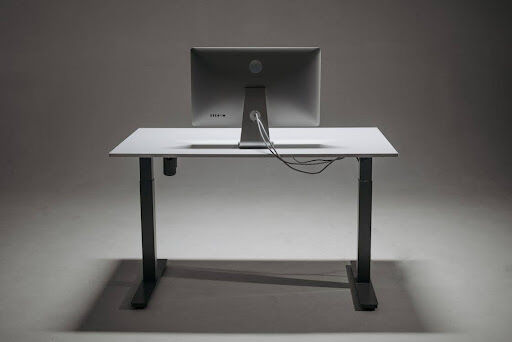
Improved Posture
One of the key benefits of a standing desk is its ability to improve posture. When using a traditional sitting desk, many individuals tend to slouch or lean forward, which can lead to back pain and poor spinal alignment. By incorporating a standing desk, users are encouraged to stand upright, thus reducing strain on the back and neck.
Standing desks can be adjusted to the ideal height, ensuring that the monitor is at eye level and the keyboard is at a comfortable angle. This ergonomic setup helps maintain a neutral spine position, which is crucial for long-term spinal health. Over time, improved posture can lead to fewer musculoskeletal issues and a greater sense of physical well-being.
Standing desks promote dynamic movement. Unlike sitting, standing allows for easy shifting of weight and encourages frequent position changes. This dynamic environment can contribute to better posture habits and overall physical fitness. You can find top-quality adjustable desks online or at your local office furniture store. Consider investing in an ergonomic standing mat for added comfort and support while standing.
Reduced Risk of Chronic Diseases
Standing desks can play a significant role in reducing the risk of chronic diseases. Prolonged sitting has been linked to various health issues, including obesity, cardiovascular disease, and type 2 diabetes. By incorporating periods of standing into the workday, individuals can mitigate the negative effects associated with prolonged sedentary behavior.
Research indicates that standing can help lower blood sugar levels, particularly after meals. This is crucial for managing and preventing type 2 diabetes. Additionally, standing more throughout the day can improve circulation, reducing the risk of blood clots and other cardiovascular problems.
Using a standing desk encourages more frequent movement, such as walking or stretching. These activities are essential for maintaining a healthy weight and can contribute to overall physical health. By reducing the amount of time spent sitting, individuals can significantly decrease their risk of developing chronic diseases.
Enhanced Mental Well-Being
Beyond physical health benefits, standing desks also contribute to enhanced mental well-being. Standing allows for better blood flow and oxygenation to the brain, which can improve cognitive function and increase productivity. Many users report feeling more energetic and focused when alternating between sitting and standing.
Standing desks can also help reduce stress and fatigue. Prolonged sitting often leads to feelings of lethargy, which can negatively impact mood and mental clarity. By breaking up periods of sitting with standing, users can maintain higher energy levels and a more positive outlook throughout the day.
The act of standing and moving can serve as a natural stress reliever. Physical activity, even in small amounts, triggers the release of endorphins, which are known to improve mood and reduce stress levels. Incorporating a standing desk into your home office setup can, therefore, lead to a more balanced and mentally healthy work environment.
Increased Productivity
Incorporating a standing desk into your home office can lead to increased productivity. Standing while working can help combat the mid-afternoon slump that many people experience, enabling them to stay alert and engaged throughout the entire workday.
Standing desks also facilitate better collaboration and communication. When in a standing position, individuals are more likely to move around, engage in discussions, and approach tasks with increased enthusiasm. This dynamic work environment can foster creativity and innovation.
The ability to easily switch between sitting and standing can keep tasks feeling fresh and less monotonous. This variability can prevent burnout and keep workers motivated. Over time, the cumulative effects of a more engaging and active workspace can lead to higher productivity levels and improved job satisfaction.
Factors to Consider When Choosing a Standing Desk
When selecting a standing desk for your home office, there are several factors to consider to ensure you make the best choice for your needs. First, think about the adjustability of the desk. An ideal standing desk should allow for easy transitions between sitting and standing positions. Some models offer electric height adjustments, while others have manual levers or cranks. Consider your preference and the convenience each option offers.
Next, assess the available space in your home office. Standing desks come in various sizes and shapes, from compact models suitable for small spaces to larger setups that accommodate multiple monitors and additional equipment. Measure your office area to determine the optimal desk size, ensuring it fits comfortably without overcrowding the room.
Consider the durability and stability of the desk. Standing desks should be sturdy enough to support your computer, monitor, and other office essentials without wobbling. Look for desks made from high-quality materials, such as steel frames and solid wood or durable laminate surfaces. Investing in a well-constructed standing desk will ensure longevity and a stable work environment.
Tips for Effective Use of a Standing Desk
To maximize the benefits of your standing desk, it's essential to use it effectively. Start by gradually increasing your standing time. If you're new to standing desks, begin with short periods of standing and gradually extend the duration as your body adapts. This approach helps prevent discomfort and allows you to build endurance over time.
Pay attention to your footwear. Wearing supportive shoes can make a significant difference in your comfort while standing. Some users also find anti-fatigue mats beneficial, as they provide cushioning and reduce strain on the feet and legs. These mats can be especially helpful if you plan to stand for extended periods.
Remember to take regular breaks and move around. Even with a standing desk, staying in one position for too long can lead to discomfort and fatigue. Incorporate short breaks for stretching or walking to promote circulation and prevent muscle stiffness. By integrating these tips into your routine, you can make the most of your standing desk and maintain a healthy, productive work environment.
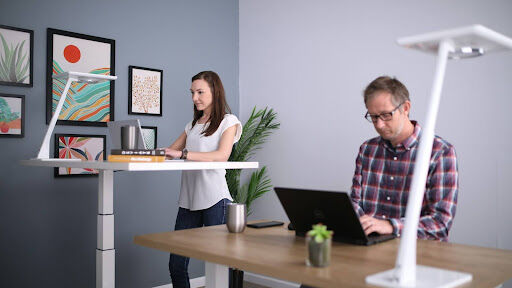
Standing desks offer numerous benefits for those working from home. By improving posture, reducing the risk of chronic diseases, enhancing mental well-being, and boosting productivity levels, a standing desk can significantly contribute to your overall health and happiness in the home office setting. Consider incorporating one into your workspace and experience the positive impact it can have on your daily work life. With the right setup and usage, a standing desk can be a valuable addition to your home office.


(0) comments
We welcome your comments
Log In
Post a comment as Guest
Keep it Clean. Please avoid obscene, vulgar, lewd, racist or sexually-oriented language.
PLEASE TURN OFF YOUR CAPS LOCK.
Don't Threaten. Threats of harming another person will not be tolerated.
Be Truthful. Don't knowingly lie about anyone or anything.
Be Nice. No racism, sexism or any sort of -ism that is degrading to another person.
Be Proactive. Use the 'Report' link on each comment to let us know of abusive posts.
Share with Us. We'd love to hear eyewitness accounts, the history behind an article.