
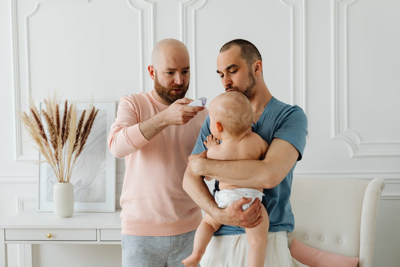

Babies can get infections quickly. As a parent, it can be hard to know whether fussiness is just that or something more serious. Many symptoms can signal an infection, and noticing it early can save your baby’s life. If you're not sure which signs you should be alarmed about when your baby is at risk of infection, here are five early warning signs of a severe infection you should never ignore.
Fever or an Unusually Low Temperature
A sudden spike in your baby’s temperature or a drop below normal can signal a serious infection. They might feel very warm or shiver, since babies’ tiny bodies struggle to regulate temperature during an infection.
Call your pediatrician right away if any of these happen. Take your baby’s temperature regularly and note any changes. In some cases, a dangerously high or persistent fever can result from delayed treatment of an infection at the hospital. If that happens to your baby, you might want to look into filing an infant meningitis lawsuit to advocate for your baby’s health and legal rights.
Extreme Lethargy
Extreme sleepiness is one of the most alarming changes in newborns. Your baby might be hard to wake and resist interaction. Infections can sap their energy as their immune system fights back, so lethargy is a serious red flag.
Seek medical help immediately if your baby seems overly sleepy and lethargic, even on days they’ve had lots of naps. Try to wake your baby at intervals to monitor responsiveness gently. Note the timing and duration of their sleepiness. Share these details with your pediatrician. Lethargy can be one of the first signs your baby needs urgent care, so don’t ignore it.
Poor Feeding
When your baby is sick, you might see sudden changes in their feeding habits. They might refuse to nurse or take a bottle, or seem fussy while feeding. Infection can make swallowing harder. It could also reduce their appetite. However, babies need the right nutrition to fight off illness, and any disruption in eating can be concerning, so it’s important to act right away.
When you notice poor feeding, keep track of how much your baby takes in. Note how often they feed as well. Contact your doctor to make sure your child’s hydration and weight are in check. Supporting your baby’s nutrition during this time helps their body fight infection.
Persistent Vomiting or Diarrhea
Infections can irritate your baby’s digestive system, so you might notice frequent vomiting or diarrhea. Keep note of the color and consistency of your baby’s vomiting and stool. Note the frequency, and call your pediatrician if it doesn’t improve after a few hours. Offer small, frequent meals if your baby can tolerate it, and watch for signs of dehydration. Early treatment keeps your baby hydrated, nourished, and stable while their body fights infection.
Unusual Skin Changes
Changes in skin tone or texture can be subtle but serious. Bluish spots or blotchy rashes might make you think it’s just childhood allergies, but it can be a sign of infection. Infection can affect circulation and trigger immune responses that affect the skin. Redness around the umbilical cord or diaper area can also indicate a bacterial infection.
Take photos of your baby’s skin and show it to your doctor. Feeling your baby’s skin for unusual warmth can provide additional clues. Noticing skin changes early can help your baby get treatment before the infection spreads.
Keeping an eye out for fevers, extreme sleepiness, vomiting, skin changes, and poor feeding habits can help you catch serious infections in your baby early. It gives you a chance to act quickly and get the care your baby needs. By staying alert and mindful of these symptoms, you give your baby a stronger start.
Here are some other articles related to your search:


(0) comments
We welcome your comments
Log In
Post a comment as Guest
Keep it Clean. Please avoid obscene, vulgar, lewd, racist or sexually-oriented language.
PLEASE TURN OFF YOUR CAPS LOCK.
Don't Threaten. Threats of harming another person will not be tolerated.
Be Truthful. Don't knowingly lie about anyone or anything.
Be Nice. No racism, sexism or any sort of -ism that is degrading to another person.
Be Proactive. Use the 'Report' link on each comment to let us know of abusive posts.
Share with Us. We'd love to hear eyewitness accounts, the history behind an article.