
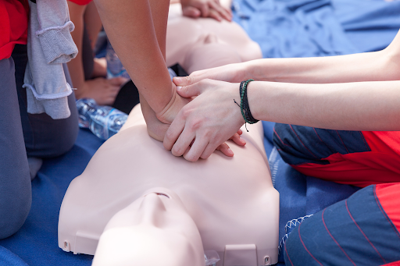

Few skills are as paramount in the realm of emergency response as CPR (Cardiopulmonary Resuscitation). As the cornerstone of life-saving interventions, CPR equips first responders with the ability to intervene decisively during critical situations, potentially altering the course of events and preserving precious lives. In this article, we delve into the significance of CPR as the ultimate skill for first responders while addressing pertinent questions such as "How long does CPR certification last?"
The Crucial Role of CPR for First Responders:
For first responders, whether they are medical professionals, firefighters, law enforcement officers, or even concerned citizens, the ability to perform CPR is indispensable. In situations where every second counts, CPR serves as a vital intervention to maintain blood circulation and oxygenation in individuals experiencing cardiac arrest or other life-threatening emergencies. By initiating CPR promptly, first responders can buy valuable time, sustaining vital organ function until advanced medical care can be administered.
Empowering First Responders with CPR Certification:
CPR certification is the gateway to acquiring the necessary skills and knowledge to perform CPR effectively. Certification courses provide comprehensive training in CPR techniques, including chest compressions, rescue breaths, and the use of automated external defibrillators (AEDs). By obtaining CPR certification, first responders gain the confidence and competence needed to act swiftly and decisively during emergencies, potentially saving lives in the process.
Addressing the Question: How Long Does CPR Certification Last?
A common query among first responders and individuals seeking CPR certification is the duration of its validity. CPR certification typically lasts for a specified period, after which recertification is required to ensure that skills remain current and up-to-date. The duration of CPR certification can vary depending on the certifying organization and the specific course undertaken. However, most CPR certifications are valid for a period of two to three years.
The Importance of Recertification:
Recertification is vital to maintaining CPR proficiency among first responders. As advancements in CPR techniques and guidelines emerge, periodic recertification ensures that responders remain abreast of the latest protocols and best practices. Moreover, recertification courses offer skills refinement and reinforcement opportunities, allowing first responders to hone their abilities and optimize their readiness to respond to emergencies effectively.
In conclusion, CPR stands as the ultimate skill for first responders, offering a lifeline in moments of crisis. By equipping first responders with CPR certification, individuals gain the knowledge and skills needed to intervene decisively during life-threatening emergencies, potentially saving lives and making a profound difference in their communities. While CPR certification typically lasts for a period of two to three years, recertification is essential to ensure ongoing proficiency and readiness to respond effectively to emergencies.
As we navigate the complexities of emergency response, let us recognize the vital importance of CPR as the ultimate skill for first responders. Through ongoing training, certification, and recertification, first responders stand prepared to confront emergencies head-on, embodying the ethos of compassion, preparedness, and service to others.
Here are some other Articles related to your search:
(0) comments
We welcome your comments
Log In
Post a comment as Guest
Keep it Clean. Please avoid obscene, vulgar, lewd, racist or sexually-oriented language.
PLEASE TURN OFF YOUR CAPS LOCK.
Don't Threaten. Threats of harming another person will not be tolerated.
Be Truthful. Don't knowingly lie about anyone or anything.
Be Nice. No racism, sexism or any sort of -ism that is degrading to another person.
Be Proactive. Use the 'Report' link on each comment to let us know of abusive posts.
Share with Us. We'd love to hear eyewitness accounts, the history behind an article.