
Green Horn Kratom is one of the ultra-premium varieties of the kratom plant. Its popularity can be attributed to its unique properties and perfect balance of different effects.
Recognized as a tropical tree native to Southeast Asia, kratom has been used for generations by local communities for various purposes. While kratom has a load of strains and vein colors, Green Horn is attractive owing to its peculiar features and how it stands out among the green vein varieties.
This article will explore the origins of Green Horn Kratom, its popularity, differences between vein colors, the alkaloid profile, possible side effects, and considerations around dosages.
Origins of Green Horn Kratom
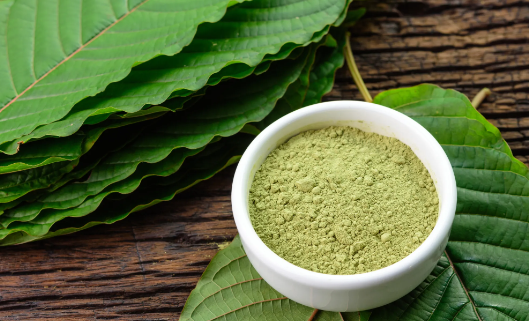
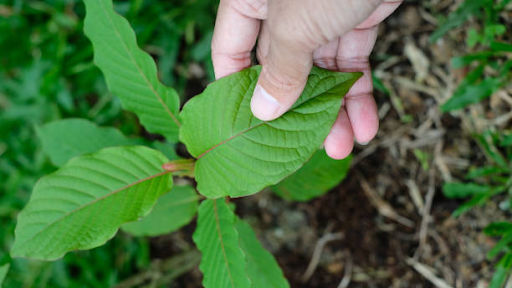
Green Horn Kratom is believed to have originated deep in Indonesia's thick, tropical rainforests. "Horn" refers to the shape of the leaves, with pointed, horn-like edges that distinctly set this kratom apart from others.
While kratom itself is indigenous to places like Thailand, Malaysia, and Indonesia, legal restrictions by some countries have made it so that most of the commercial cultivation and exportation go through Indonesia nowadays.
That said, Indonesia's rich, fertile soil and humid climate give way to kratom trees, which are very exuberant in size and vigor. High-quality Premium Green Horn Kratom from these trees is highly sought after by many users worldwide.
Popularity and Availability of Green Horn Kratom
Unlike other green vein varieties, Green Horn Kratom is relatively rare. Its uniqueness and distinct characteristics have made it a favorite among kratom enthusiasts. This rarity is primarily due to the specific growing conditions required and the unique shape of its leaves, which are cultivated less frequently than other kratom strains. Know more about Green Horn Kratom and discover why it stands out!
Even though Green Horn Kratom is relatively rare, it has built up quite a following due to the well-balanced effects that please most users. Being regarded somewhere between white kratom, which delivers much energy, and red kratom, which provokes sedation, dramatically contributes to its popularity.
Differences in Vein Color Within the Same Strain
Kratom leaves have been classified according to the color of the veins. The color of the veins depends on the harvesting time of the leaves.
Green vein kratom is produced when the leaves are collected at the midpoint of their growth cycle, and this works very well to present a balanced profile of effects—like Green Horn. On the other hand, white vein kratom is harvested from younger leaves known to be more stimulating.
Red vein kratom is harvested during the entire maturation process for the leaves, campuses for a system that seems rather much more relaxing. Vein color is thus named from the faint coloring found in the stems and veins of the leaves—something that changes, though very slightly, based on maturity.
Alkaloid Profile of Green Horn Kratom
Like other kratom varieties, Green Horn Kratom contains a complex mix of alkaloids that contribute to its unique effects. The two prominent alkaloids in kratom are mitragynine and 7-hydroxy mitragynine; however, their concentrations vary across different strains and vein colors.
Greenhorn Kratom maintains a balanced alkaloid profile with dozens of secondary ones, including paraxanthine and corynoxine. While less explored, these secondary alkaloids affect the strain's overall experience.
How these various alkaloids interact within Green Horn Kratom, along with the exact ratios, might give this strain a more rounded experience for users. Some users say this strain gives them energy, while others claim relaxation to different degrees.

Common Side Effects and Precautions
In itself, just like other kratom strains, Green Horn Kratom can also cause disagreeable side effects, especially if taken in large amounts. Adverse effects commonly reported include headaches, nausea, dizziness, dry mouth, stomach discomfort, constipation, and changes in mood—including irritability.
Other reported side effects are excessive sweating, blood pressure changes, vertigo, and a sensation of "wobbles." All these effects vary in their degree of influence depending on dosage, individual sensitivity, and the frequency of use.
Potential for Habit-Forming and Tolerance
One should know that kratom, including Green Horn Kratom, is addictive. The two main alkaloids, mitragynine, and 7-hydroxy mitragynine—possibly with a small contribution from secondary ones—are believed to have a potential for producing dependence, especially when consumed habitually or at larger doses.
The effects of kratom could be several. Tolerance develops over time; increasing the dosage to achieve the same effect will increase the likelihood of side effects. Cross-tolerance is also possible between different strains of kratom, and tolerance developed toward one will lessen the other.
Such risks can be effectively minimized by taking Kratom only for a few days and not using it daily for more than two weeks.
Dosage Considerations
When it concerns dosing Green Horn Kratom, small doses are called for first to find out the tolerance and specific person-to-person responses to its action. A typical low dose would be 1-2 grams, likely to produce mild effects that are ideal and suitable for beginners.
Doses in moderation, from 3 to 5 grams, are more visual and could include an increase in motivation and a sense of focus. Doses that amount to 6 grams or more are considered high and must be taken cautiously since they contain a greater potential chance of side effects.
Higher doses also increase the prevalence rate for unsatisfactory adverse side effects such as nausea, dizziness, or headaches.
Bottom-Line
Green Horn Kratom is a particular and rounded strain of kratom—very popular owing to its unusual properties. Originating from Indonesia, it is remarkable due to its balanced effects: enhanced energy, focus, and euphoria.
That said, Green Horn Kratom should be consumed in moderation since every kratom product may cause unwanted side interactions, addiction, and dosing responsibly. By recognizing the unique features of Green Horn Kratom and using it with some preventive measures, users can likely experience the benefits associated with this plant while lowering the risks.
Related Article:
- The Potential Benefits of Using Red Vein Bali Kratom
- Is Kratom Considered A Remedy Or An Alternative To Traditional Products?

(0) comments
We welcome your comments
Log In
Post a comment as Guest
Keep it Clean. Please avoid obscene, vulgar, lewd, racist or sexually-oriented language.
PLEASE TURN OFF YOUR CAPS LOCK.
Don't Threaten. Threats of harming another person will not be tolerated.
Be Truthful. Don't knowingly lie about anyone or anything.
Be Nice. No racism, sexism or any sort of -ism that is degrading to another person.
Be Proactive. Use the 'Report' link on each comment to let us know of abusive posts.
Share with Us. We'd love to hear eyewitness accounts, the history behind an article.