

Imagine experiencing sudden, severe swelling without any apparent cause. This is the reality for many living with a rare genetic disorder. Hereditary Angioedema (HAE) affects blood vessels, causing episodes of painful swelling in various parts of the body. But what is HAE? Often, this condition remains undiagnosed for years, leading to prolonged suffering. It's crucial to understand the symptoms and triggers of HAE to manage it effectively and improve the quality of life for those affected.
Recognizing the Early Symptoms
Unusual Swelling: Swelling in the extremities, face, and abdomen is a key symptom of HAE. Unlike allergic reactions, this swelling does not come with itching or hives. Recognizing these unusual swellings can help distinguish HAE from other conditions and prompt early diagnosis and treatment.
Tingling or Mild Discomfort: Patients often feel a tingling sensation or mild discomfort in the affected area before swelling starts. This can serve as an early warning sign of an impending HAE attack, allowing for prompt intervention and management.
Fatigue: Some patients report feeling unusually tired or fatigued before an attack. This general sense of tiredness can be a precursor to other symptoms and may indicate the onset of an HAE episode.
General Feeling of Unwellness: A general feeling of unwellness or malaise can precede an HAE attack. Patients might experience a sense of discomfort or illness, which, when combined with other symptoms, can help in early identification of an attack.
Abdominal Pain and Discomfort: Many patients with HAE experience abdominal pain, vomiting, or diarrhea. These symptoms can be severe and are often mistaken for other gastrointestinal disorders, making it important to consider HAE in recurrent abdominal pain cases.
Identifying Triggers Of HAE Attacks
Physical Trauma: Physical trauma, such as injuries or surgeries, can trigger HAE attacks. Even minor trauma can provoke swelling episodes. It's important for patients to be cautious and avoid unnecessary physical strain. Proper wound care and minimizing physical injuries can help reduce the risk of triggering an attack.
Stress: Stress is a significant trigger for HAE attacks. Emotional and psychological stress can exacerbate symptoms and lead to swelling episodes. Managing stress through relaxation techniques, counseling, and stress-reduction practices is crucial in preventing attacks and maintaining overall health.
Infections: Infections, including common colds and flu, can trigger HAE attacks. The body's immune response to infections can provoke swelling. Patients should take preventive measures, such as vaccinations and maintaining good hygiene, to minimize the risk of infections and subsequent HAE attacks.
Medications: Certain medications, including some blood pressure drugs and ACE inhibitors, can trigger HAE attacks. Patients should inform their healthcare providers about their condition and avoid medications known to provoke attacks. Alternative medications should be considered under medical guidance.
Hormonal Changes: Hormonal changes, such as those during menstruation or pregnancy, can trigger HAE attacks. Women with HAE should work closely with their healthcare providers to manage these hormonal fluctuations and consider preventive treatments during high-risk periods.
Frequency and Severity of Attacks
The frequency and severity of HAE attacks can differ significantly among patients. Some individuals may experience attacks every few weeks, while others may have only a few episodes throughout their lifetime.
The severity of these attacks can range from mild, manageable swelling to life-threatening situations, especially if the airway is involved. Keeping an attack diary is highly beneficial for patients. Documenting the frequency, duration, and severity of each attack helps healthcare providers understand the patient’s unique pattern. This detailed record allows for tailored treatment plans and better management of the condition.
Recognizing patterns in the attacks can also aid in identifying triggers and predicting future episodes, enabling proactive and preventive care. This comprehensive approach is crucial for optimizing patient outcomes and improving the quality of life for those living with HAE.
Role of Pharvaris in Treatment
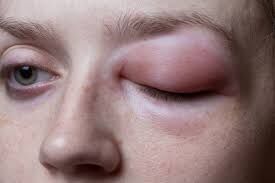
Pharvaris is developing new HAE treatments. Their approach aims to offer better treatment options. Pharvaris targets the underlying mechanisms of HAE. They help prevent and reduce attack severity. Current treatments include preventive medications. There are also therapies for acute episodes. Working with Pharvaris can advance HAE management. It improves patient outcomes.
Living with HAE
Living with HAE needs a comprehensive plan. Avoiding known triggers is important. Use prophylactic treatments. Have medications ready for acute attacks. Patients should learn about their condition. Adherence to the treatment regimen is crucial. Support from healthcare providers and family is essential. Patient support groups also help. Knowledge and resources empower patients. It improves their quality of life.
Importance of Genetic Counseling
Genetic counseling is vital for managing HAE. Since HAE is inherited, genetic implications matter. Genetic counselors identify specific mutations. They provide information on passing the condition to offspring. They offer family planning guidance. Patients understand their diagnosis better. Early genetic counseling leads to earlier diagnosis. It improves quality of life. Healthcare providers should encourage genetic counseling. It's part of a comprehensive care plan.
Having a good understanding of HAE is crucial for managing this condition. Recognizing symptoms, identifying triggers, and using treatments from companies like Pharvaris can improve outcomes. For doctors studying HAE, staying informed about treatment and management advancements is essential. By following these guidelines, healthcare providers can offer better care. They can support patients living with HAE more effectively.

(0) comments
We welcome your comments
Log In
Post a comment as Guest
Keep it Clean. Please avoid obscene, vulgar, lewd, racist or sexually-oriented language.
PLEASE TURN OFF YOUR CAPS LOCK.
Don't Threaten. Threats of harming another person will not be tolerated.
Be Truthful. Don't knowingly lie about anyone or anything.
Be Nice. No racism, sexism or any sort of -ism that is degrading to another person.
Be Proactive. Use the 'Report' link on each comment to let us know of abusive posts.
Share with Us. We'd love to hear eyewitness accounts, the history behind an article.