
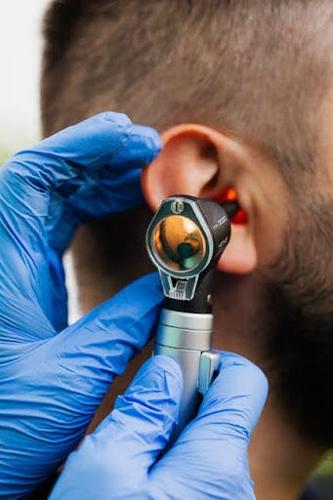
Routine ear check-ups are a crucial component of overall health maintenance, yet they are often overlooked in many people's healthcare routines. Hearing is one of our most vital senses, facilitating communication and affecting our ability to connect with others, perceive danger, and enjoy the sounds of life. Despite its importance, ear health tends to be neglected until noticeable issues arise.
Regular ear examinations by healthcare professionals can prevent complications, identify issues early, and provide guidance on maintaining healthy hearing practices. This document emphasizes the significance of prioritizing ear health through consistent check-ups, offering insights into the benefits and preventative measures to safeguard our hearing.

Understanding Ear Health
The ear is a complex organ responsible for not just hearing, but also maintaining balance. Its structure is divided into three main parts: the outer ear, the middle ear, and the inner ear. Sound waves travel through the outer ear, are amplified by the middle ear, and are translated into electrical signals by the inner ear, which the brain interprets as sound. Consistent ear examinations can catch ear infections, wax build-up, and hearing loss early.
By addressing these problems promptly, individuals can avoid more serious complications, including chronic ear diseases and irreversible hearing damage. Regular check-ups also allow professionals to provide personalized advice on protecting your hearing. As the people from https://thehearinghub.co.uk note, a build-up of ear wax can affect your hearing, lead to infections, and cause you pain and discomfort. This can be easily avoided by regular cleaning or removal during check-ups.
Common Ear Problems
Ear infections, hearing loss, and tinnitus are among the most common ear problems faced by individuals of all ages. Ear infections, particularly prevalent in children, can cause pain, discomfort, and temporary hearing impairment if not addressed promptly. Hearing loss, on the other hand, can range from mild to profound and may result from genetic factors, exposure to loud noise, aging, or injury. Tinnitus, characterized by a ringing or buzzing in the ears when no external sound is present, can significantly impact an individual's quality of life.
Preventative measures such as wearing ear protection in noisy environments, avoiding the insertion of foreign objects into the ears, and adhering to proper hygiene practices can help mitigate the risk of developing these common ear problems. Furthermore, early diagnosis and treatment during regular ear check-ups can prevent these conditions from worsening, thereby preserving hearing health and overall well-being.
Preventative Measures
A key preventative measure to protect ear health is the consistent use of hearing protection in environments with potentially damaging noise levels. Noise-induced hearing loss is a significant and preventable cause of hearing degradation, often a result of prolonged exposure to high decibels found in industrial settings, concerts, and other loud social environments. Employing earplugs or noise-canceling earmuffs can dramatically reduce the risk of damaging the delicate inner ear structures responsible for sound transduction.
Educating individuals on the critical need for hearing protection, alongside the promotion of safe listening practices—such as avoiding excessive volume on personal audio devices—comprises a fundamental aspect of preserving ear health. In addition to protective measures, maintaining a healthy lifestyle can have a positive impact on ear health. Regular exercise contributes to better blood circulation, which is beneficial for the delicate structures of the ear, enhancing their function and resilience to damage.
A balanced diet rich in essential vitamins and minerals supports the body's natural mechanisms for maintaining ear health and repairing damage. Omega-3 fatty acids, antioxidants, and vitamins such as C and E have been linked to a reduced risk of hearing loss. Together, these preventative strategies, combined with the vigilance of routine ear check-ups, lay the foundation for a comprehensive approach to safeguarding one's hearing throughout the lifespan.
Impact of Neglected Ear Health
Neglecting ear health can lead to a range of adverse effects, both temporary and permanent, that can significantly impair an individual's quality of life. The most immediate consequence of untreated ear conditions can be pain and discomfort, which, while not life-threatening, can severely affect daily activities and mental well-being. For instance, chronic ear infections not only cause persistent pain but can also lead to more serious complications such as eardrum perforation, hearing loss, and in severe cases, infections that spread to other parts of the head.
Untreated hearing loss can have profound social and emotional impacts, leading to withdrawal from social situations, decreased job performance, and even depression due to the strain of trying to communicate without full auditory capabilities. Long-term neglect of ear health can also have cumulative effects on cognitive functions. Research has demonstrated a correlation between untreated hearing loss and cognitive decline, including an increased risk for conditions such as dementia.
The process of constantly straining to hear and interpret sounds can exhaust cognitive resources, leaving less capacity for memory processing and attention. This underscores the importance of regular ear check-ups and addressing any hearing concerns promptly to maintain not only auditory health but overall brain health as well. By integrating ear health into routine healthcare practices, individuals can take proactive steps toward preserving their hearing, cognitive abilities, and quality of life for years to come.
Advances in Ear Healthcare
In recent years, the field of ear healthcare has experienced significant technological advances, revolutionizing how ear conditions are diagnosed, treated, and managed. Notable among these innovations is the development of digital hearing aids, which have vastly improved in terms of size, comfort, and effectiveness. These devices now come equipped with advanced features such as wireless connectivity, enabling users to stream audio directly from smartphones, TVs, and other devices, and adaptive algorithms that automatically adjust to the listener's environment to enhance speech clarity while reducing background noise.
Additionally, cochlear implants have seen remarkable advancements, offering a new lease on hearing for individuals with profound hearing loss for whom traditional hearing aids provide little benefit. Tele-audiology has also emerged as a pivotal advancement, expanding access to ear healthcare services. This approach utilizes telecommunication technology to facilitate remote hearing assessments, consultations, and fittings for hearing aids, making it especially beneficial for individuals in remote or underserved regions.
Another exciting development is the research into gene therapy and regenerative medicine, aiming to restore hearing by repairing damaged cells within the inner ear. While these treatments are still in the experimental stages, they hold the promise of potentially curing certain types of hearing loss in the future. Together, these technological and medical advancements are paving the way for more effective, personalized, and accessible ear healthcare.
In conclusion, the importance of ear health cannot be overstated, as it plays a crucial role in our overall well-being, communication abilities, and quality of life. Regular check-ups and preventative measures are essential strategies for maintaining healthy hearing and avoiding the complications associated with neglected ear conditions.
Advances in technology and healthcare have made it easier and more effective than ever to diagnose, treat, and manage ear health issues, offering hope and improved outcomes for those affected by hearing loss and other ear-related problems. By prioritizing ear health in our healthcare routines, we can protect this vital sense and ensure that we remain connected to the world around us, enjoying all the sounds of life to its fullest.

(0) comments
We welcome your comments
Log In
Post a comment as Guest
Keep it Clean. Please avoid obscene, vulgar, lewd, racist or sexually-oriented language.
PLEASE TURN OFF YOUR CAPS LOCK.
Don't Threaten. Threats of harming another person will not be tolerated.
Be Truthful. Don't knowingly lie about anyone or anything.
Be Nice. No racism, sexism or any sort of -ism that is degrading to another person.
Be Proactive. Use the 'Report' link on each comment to let us know of abusive posts.
Share with Us. We'd love to hear eyewitness accounts, the history behind an article.