
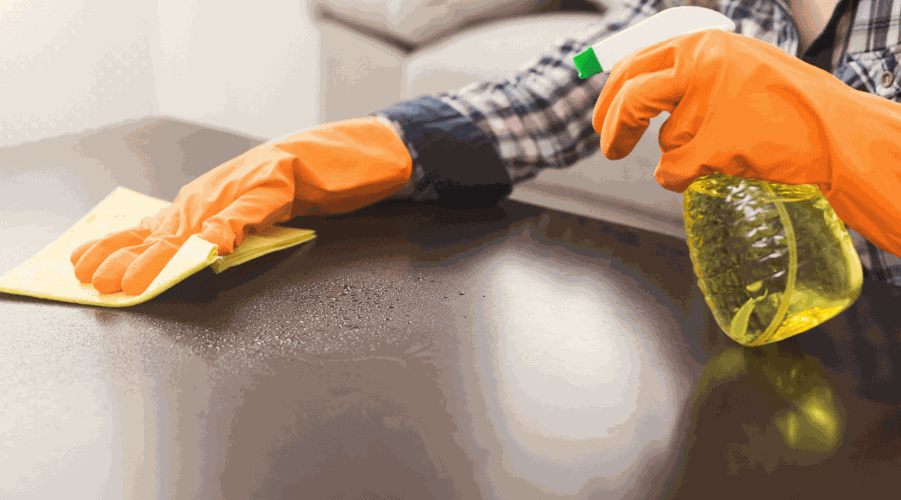
Ensuring a clean and healthy environment is crucial in today’s world, which is marked by numerous health issues. A key factor in promoting health and preventing sickness is the practice of cleaning. While many individuals prioritise handwashing and personal cleanliness, it's essential not to underestimate the significance of surface cleaners in warding off illnesses as well. In this article, we will delve into the importance of surface cleaners, their role in reducing pathogen spread, and a few practical tips for their effective use.

The Significance of Surface Cleaners
Often disregarded yet immensely critical, surface cleaners play a key role in establishing a healthy setting. They are formulated specifically to eradicate dirt germs, bacteria, viruses and other harmful microorganisms from surfaces like countertops, desks, doorknobs, appliances, and bathrooms, among others. Brands like Bulk buys offer a variety of surface cleaners at affordable prices for Australian consumers.
Mitigating Pathogen Spread
Pathogens can linger on surfaces for prolonged periods. Regular use of surface cleaners aids in diminishing these pathogens’ presence, which could otherwise potentially lead to illnesses. Bacteria and viruses are capable of transferring from various surfaces to individuals through contact or inhalation. Homeowners like using Swedish dishcloths that prevent bacterial buildup thanks to their quick-drying, ultra-absorbent natural fibers. Incorporating these eco-friendly cloths into daily kitchen routines makes keeping high-touch surfaces sanitized both effortless and highly efficient.
Selecting Appropriate Disinfectants
Selecting the right type of surface cleaner is imperative for the best outcomes. Not all cleaning agents are equally efficient at eradicating all types of pathogens. Disinfectants are specially formulated to eliminate or render microorganisms inactive and are categorised into various types, such as bactericides (for bacteria), virucides (for viruses), and tuberculocidal disinfectants (for tuberculosis). By selecting the disinfectants based on your requirements, you can ensure comprehensive protection against harmful pathogens.
Tips for Use
The following tips should ensure that you make the most of the surface cleaners you use:
1. Carefully Read Instructions:
Before using any surface cleaning product for the first time or when switching between brands or products within a category, make sure to familiarise yourself with the instructions and precautions, such as wearing gloves for safe and effective results.
2. Dilution Guidelines:
Some concentrated surface cleaning solutions need to be diluted before use to achieve the desired effectiveness. Follow the recommended dilution ratios provided on the product label for the best outcomes.
3. Contact Duration:
Many disinfectants require a specified contact or dwell time, indicating that they should remain wet on surfaces for a certain period post-application to effectively eradicate pathogens. Adhere to these guidelines and refrain from wiping off the cleaner after use.
4. Ensure Ventilation:
Adequate ventilation speeds up drying and enhances the cleanliness of your treated areas. Open the windows and turn on the fans to promote air circulation during cleaning procedures.
5. Areas to Keep an Eye On:
Pay attention to surfaces that are frequently touched, as they tend to harbor germs and bacteria. These areas could include doorknobs, light switches, refrigerator handles, keyboards, remote controls, and so on. It's important to clean these spots to prevent the spread of germs and reduce the risk of illnesses.
6. Cleaning Schedule:
Create a good cleaning routine for your home or workplace that involves sanitising high-touch surfaces as well as commonly used areas like bathrooms and kitchens. Consistent cleaning will help maintain an environment that's free from harmful microorganisms.
7. Pairing with Hand Hygiene:
Simply using surface cleaners is not enough to ward off illnesses; it's crucial to practice hand hygiene by washing hands with soap and water in addition to disinfecting surfaces.
Tips for Safe and Environmentally-Friendly Surface Cleaning
The following tips should help you minimise your impact on the environment while cleaning household surfaces:
1. Opt for Products That Are Eco-Conscious:
While focusing on our health and well-being, it’s also important to consider how our cleaning choices impact the environment. Seek out surface cleaners labelled as eco-friendly or biodegradable. These products are made with ingredients that are effective in killing germs and disinfecting surfaces while minimising harm to water sources and ecosystems.
2. Steer clear of Strong Chemicals:
While it’s crucial to keep surfaces clean, it's also important to steer clear of chemicals that may cause irritation or allergies. Choose surface cleaners that don't contain ingredients like chlorine, bleach, ammonia, parabens, phthalates, and artificial fragrances. There are plenty of plant-based alternatives on the market that can effectively clean without compromising our health.
3. Embrace Microfiber Cloths:
Microfiber cloths are great for cleaning surfaces as they have properties that efficiently trap dirt, grime and germs. They can be used dry or slightly dampened with water or a mild cleaning solution. Unlike wipes or paper towels, microfiber cloths are reusable and long-lasting, which helps reduce waste.
While we often focus on personal hygiene practices like handwashing to stay healthy and prevent illness, it's equally important not to overlook the importance of using surface cleaners to maintain a safe environment. By reducing the presence of pathogens with disinfectants used at appropriate intervals, we can significantly lower our risk of various illnesses. Let’s prioritise surface cleaning alongside hygiene habits to collectively safeguard our well-being.
(0) comments
We welcome your comments
Log In
Post a comment as Guest
Keep it Clean. Please avoid obscene, vulgar, lewd, racist or sexually-oriented language.
PLEASE TURN OFF YOUR CAPS LOCK.
Don't Threaten. Threats of harming another person will not be tolerated.
Be Truthful. Don't knowingly lie about anyone or anything.
Be Nice. No racism, sexism or any sort of -ism that is degrading to another person.
Be Proactive. Use the 'Report' link on each comment to let us know of abusive posts.
Share with Us. We'd love to hear eyewitness accounts, the history behind an article.