
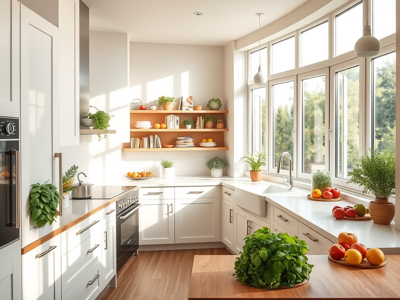

A kitchen can look beautiful and still fall short when it comes to everyday comfort and wellness. Beyond countertops, cabinetry, and appliances, small details such as water quality, ventilation, lighting, and material choices can have a noticeable impact on how pleasant the space feels to use.
One practical place to start is drinking and cooking water. Homeowners who want to improve tap water without constantly relying on bottled water can explore compact filtration options from sources such as https://woder.com/. An under-sink or inline filtration system can fit into the kitchen discreetly while making filtered water readily available for drinking, preparing meals, making coffee, and filling reusable bottles.
Start With Better Water for Drinking and Cooking
Water is used throughout the day, from washing produce to boiling pasta and preparing tea. Because it plays such a central role in the kitchen, improving water quality is one of the simplest upgrades homeowners can consider when creating a healthier space.
Under-sink filtration is particularly appealing for kitchens where homeowners want cleaner drinking water without adding another appliance to the countertop. Many systems are installed out of sight beneath the sink, helping preserve the clean appearance of a modern kitchen.
Convenience also matters. When filtered water is available directly from the kitchen faucet, family members may be more likely to refill a glass or reusable bottle instead of reaching for packaged drinks. It can also reduce the need to store cases of bottled water, freeing up valuable pantry or cabinet space.
When choosing a filtration system, homeowners should consider factors such as installation requirements, filter replacement schedules, available space beneath the sink, and the specific substances the system is designed to reduce.
Improve Air Quality and Choose Healthier Materials
Water is only one part of a healthier kitchen. Cooking can introduce smoke, grease, moisture, and odors into the air, especially when frying, grilling, or using a gas range. Good ventilation helps remove these pollutants instead of allowing them to circulate throughout the home.
A properly sized range hood that vents outdoors can make a significant difference. Homeowners planning a renovation should think about ventilation early, since ductwork and hood placement may affect the overall kitchen layout.
Material choices can also contribute to indoor comfort. Paints, adhesives, cabinetry, flooring, and finishes may release volatile organic compounds, particularly when they are newly installed. Choosing low-VOC paints and finishes can help reduce unnecessary chemical exposure during and after a renovation.
Easy-to-clean materials are worth considering as well. Smooth, durable surfaces around sinks and food preparation areas make it easier to manage spills, crumbs, and moisture. Quartz, sealed stone, tile, and other nonporous materials are popular partly because they combine practical maintenance with an upscale appearance.
Create a Kitchen That Makes Healthy Habits Easier
The most successful kitchen upgrades are often the ones that make good habits more convenient. A well-designed space should support how people actually cook, eat, and move through the room each day.
Lighting is a good example. Bright task lighting beneath cabinets can make food preparation easier, while natural daylight can create a more inviting environment during breakfast or lunch. Layering ambient, task, and accent lighting also allows the kitchen to adapt to different activities throughout the day.
Organization has a similar effect. Keeping healthy snacks, reusable water bottles, cooking tools, and everyday ingredients within easy reach can make routine choices simpler. Deep drawers, pull-out pantry storage, drawer dividers, and dedicated preparation zones can reduce clutter without sacrificing style.
Homeowners may also want to create a small beverage or hydration station. A section of countertop with glasses, reusable bottles, tea, coffee, and filtered water nearby can keep morning routines organized while encouraging everyone in the household to drink more water throughout the day.
Ultimately, designing a healthier kitchen does not require a complete remodel. Improving water filtration, ventilation, lighting, storage, and material choices can all contribute to a space that feels cleaner, calmer, and easier to use. By focusing on practical improvements alongside aesthetics, homeowners can create a kitchen that supports both everyday comfort and long-term wellness.
(0) comments
We welcome your comments
Log In
Post a comment as Guest
Keep it Clean. Please avoid obscene, vulgar, lewd, racist or sexually-oriented language.
PLEASE TURN OFF YOUR CAPS LOCK.
Don't Threaten. Threats of harming another person will not be tolerated.
Be Truthful. Don't knowingly lie about anyone or anything.
Be Nice. No racism, sexism or any sort of -ism that is degrading to another person.
Be Proactive. Use the 'Report' link on each comment to let us know of abusive posts.
Share with Us. We'd love to hear eyewitness accounts, the history behind an article.