
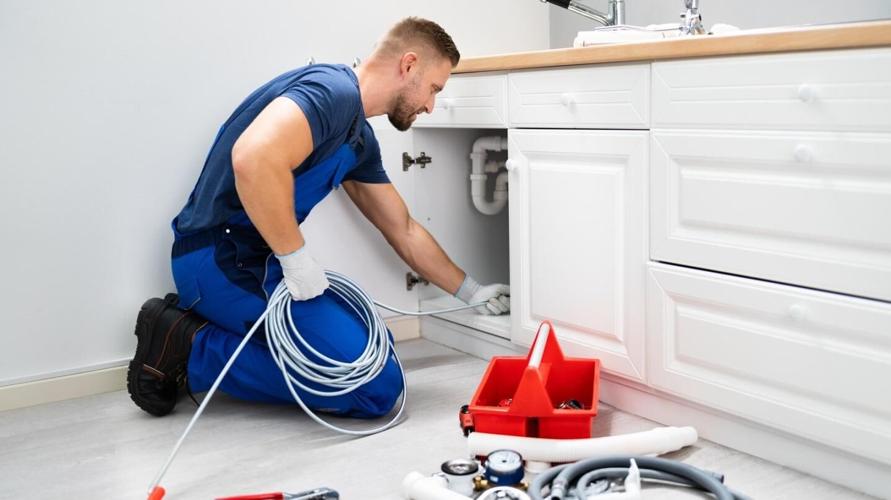

From checking contractor licenses to understanding repair estimates, these practical tips can help Tucson homeowners protect their plumbing systems and avoid costly surprises.
A dripping faucet might seem like a minor inconvenience, but plumbing problems have a way of becoming expensive when left unattended. Hidden leaks, aging water heaters, clogged drains and deteriorating pipes can all affect a home's comfort, efficiency and long-term value.
For homeowners in Tucson, Arizona, plumbing maintenance comes with additional considerations. The region's hard water can contribute to mineral buildup in fixtures and appliances, while careful water management remains particularly important in the desert Southwest.
Finding a qualified plumber isn't simply about getting someone to show up with the right tools. It's about choosing a professional who understands local conditions, communicates clearly and can recommend appropriate repairs without unnecessary expense.
Whether you're dealing with an urgent leak, planning a bathroom renovation or arranging preventive maintenance, these five considerations can help you make a more informed hiring decision.
1. Verify Licensing and Insurance Before Hiring
One of the most important steps in selecting a plumber is checking whether the contractor holds the appropriate Arizona license for the work being performed.
The Arizona Registrar of Contractors regulates licensed contractors throughout the state and provides a public database where homeowners can check licensing information.
Before agreeing to a substantial plumbing project, ask the contractor for the business name and license number. Verify that the license is active, appropriate for the work and associated with the company you intend to hire.
The state database can also provide information about license classifications and available complaint history.
Licensing is particularly important for jobs involving water heaters, major pipe replacements, bathroom renovations or other work that may require permits and inspections.
Don't assume that an attractive website, professional vehicle or positive online review automatically means a contractor holds the proper credentials.
Insurance deserves attention as well. Ask about liability coverage and, when applicable, workers' compensation insurance. Request documentation rather than relying solely on verbal assurances.
Taking these steps before work begins can help prevent disagreements if something goes wrong during a repair or installation.
2. Look for Experience With Tucson's Plumbing Conditions

Plumbing systems are affected by a home's age, construction materials, water quality and maintenance history.
In Tucson, hard water is a particular consideration.
According to Tucson Water, the community's water supply tends to be hard because of naturally occurring minerals. Although the utility states that this does not present a health risk, mineral buildup can create maintenance challenges.
Over time, deposits may accumulate around faucets, showerheads and plumbing fixtures. Water heaters can also experience sediment accumulation that may affect performance and maintenance requirements.
An experienced local plumber should be familiar with these conditions and able to explain whether a particular problem requires cleaning, repair, replacement or additional evaluation.
The type of work matters just as much as general experience.
A company specializing in drain cleaning may not be the best fit for an extensive bathroom renovation. Likewise, replacing a water heater requires different considerations than repairing an outdoor irrigation connection.
When researching Tucson plumbers, homeowners can examine the services offered by local businesses such as J-Six Tucson Plumbing, which lists residential plumbing, water heater service, drain cleaning and sewer inspections among its offerings.
Use company websites as a starting point for comparing services, not as a substitute for independently verifying qualifications.
Ask prospective plumbers whether they have completed similar projects, what complications they commonly encounter and how they determine the most appropriate repair.
A professional who explains the reasoning behind a recommendation can make the entire process easier to understand.
3. Compare Reviews, References and Communication
Online reviews can be useful, but they are most informative when considered alongside other indicators of professionalism.
Rather than focusing exclusively on a company's overall star rating, read several recent reviews and look for patterns.
Do customers consistently mention punctuality, clear communication and accurate estimates? Are there repeated complaints about unexpected charges, unfinished work or difficulty obtaining follow-up service?
Pay particular attention to how a company responds when a customer reports a problem.
A thoughtful response does not guarantee perfect workmanship, but it may indicate that the business takes customer concerns seriously.
Personal recommendations can also be valuable. Neighbors, homeowners' associations and friends who have completed similar repairs may be able to share firsthand experiences.
For larger projects, consider requesting references from previous customers whose work was comparable to yours.
Communication during the initial inquiry is another useful indicator.
A plumber should be willing to discuss the general scope of work, explain how estimates are prepared and identify circumstances that could affect the price.
Be cautious about anyone who guarantees a perfect outcome before inspecting the problem or pressures you into approving expensive repairs without a clear explanation.
Reliable service begins with transparency, not a sales pitch.
4. Ask About Availability, Estimates and Warranties
Plumbing problems rarely arrive at a convenient time.
A slow-draining sink may allow several days to compare contractors, while a burst supply line or significant water leak requires immediate attention.
Before an emergency occurs, identify where your home's main water shutoff valve is located and confirm that it operates correctly.
If a major leak develops, shutting off the water supply may help limit damage while you arrange professional assistance.
When contacting a plumber, ask whether emergency appointments are available, whether additional after-hours charges apply and how quickly someone can reasonably arrive.
For nonemergency projects, obtain written estimates from more than one qualified contractor when practical.
An estimate should identify the proposed work, materials, labor charges and any additional costs that may apply.
Be sure to ask whether the company charges a diagnostic fee and whether that amount is credited toward completed repairs.
Warranties are another important consideration.
Find out whether the contractor provides a workmanship warranty and whether installed products carry separate manufacturer warranties.
A lower initial price may not represent the better value if it excludes necessary work or offers little recourse when problems return.
The objective is not necessarily to select the least expensive plumber. It's to understand exactly what you're paying for and what happens after the job is finished.
5. Make Preventive Maintenance Part of Your Home Care Routine
Many homeowners call a plumber only when something breaks. Yet routine maintenance can help identify developing problems before they cause extensive damage.
In Tucson, homeowners should pay particular attention to water heaters, supply lines, exposed outdoor plumbing and fixtures showing signs of mineral deposits.
Regularly check beneath sinks, around toilets and near appliances for moisture, discoloration or unexplained odors.
A sudden increase in water consumption can also indicate a leak that isn't immediately visible.
Tucson Water offers a free Zanjero water efficiency checkup for eligible customers. The program helps homeowners examine water consumption, identify possible waste and learn about conservation opportunities.
The utility notes that excessive residential water use can be associated with irrigation problems, swimming pools and toilet leaks.
These are particularly relevant concerns for properties with extensive landscaping or outdoor amenities.
For homeowners interested in understanding basic pipe repairs, HowStuffWorks provides an overview of plumbing pipe repair methods. However, instructions intended for simple household maintenance should not be treated as a substitute for professional diagnosis when dealing with concealed leaks, pressurized piping or complicated installations.
Preventive care doesn't mean scheduling unnecessary services. Instead, discuss your home's age, equipment and maintenance history with a qualified plumber to develop an appropriate inspection schedule.
A thoughtful approach can help preserve the home's plumbing system while reducing avoidable water waste.
Know When a Plumbing Problem Requires Immediate Attention
Some plumbing issues can wait for a scheduled appointment. Others deserve prompt professional evaluation.
Active leaks near electrical equipment, sewage backing up into the home, water collecting inside walls or ceilings, and sudden substantial reductions in water pressure can indicate conditions requiring urgent action.
A sewage backup, in particular, may present sanitation hazards and should not be treated as a routine drain-cleaning problem.
Homeowners should also avoid attempting complicated repairs involving gas-connected water heaters, concealed supply lines or other systems requiring specialized knowledge.
When a problem threatens the property's safety or could cause extensive damage, taking appropriate protective steps and contacting a qualified professional is more important than experimenting with unfamiliar repairs.
For planned improvements, the opposite approach applies: take your time, compare estimates and understand your options before authorizing the work.
A Better Approach to Protecting Your Tucson Home
Choosing a plumber is ultimately about protecting one of your home's most essential systems.
Licensing, relevant experience, reliable communication and clear pricing all deserve consideration. Local knowledge also matters, particularly in an environment where hard water and water conservation can influence maintenance decisions.
A dependable plumbing professional should help you understand the problem, explain available solutions and provide realistic expectations about the work involved.
Whether you're addressing a minor leak or planning a substantial renovation, a little research before hiring can make a meaningful difference.
The best result isn't simply a completed repair. It's knowing the work was approached responsibly and that your home is better prepared for the years ahead.

(0) comments
We welcome your comments
Log In
Post a comment as Guest
Keep it Clean. Please avoid obscene, vulgar, lewd, racist or sexually-oriented language.
PLEASE TURN OFF YOUR CAPS LOCK.
Don't Threaten. Threats of harming another person will not be tolerated.
Be Truthful. Don't knowingly lie about anyone or anything.
Be Nice. No racism, sexism or any sort of -ism that is degrading to another person.
Be Proactive. Use the 'Report' link on each comment to let us know of abusive posts.
Share with Us. We'd love to hear eyewitness accounts, the history behind an article.