
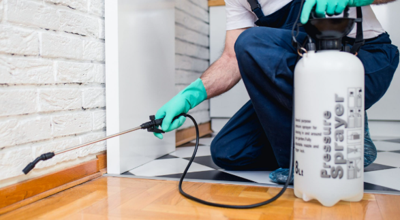

When confronted with an unwelcome insect scurrying across the floor or a persistent buzz near the pantry, the immediate thought for many homeowners often turns to a chemical spray. This reactive impulse, though understandable, stems from a common misconception that pest control is simply about applying broad-spectrum insecticides. In reality, effective pest management is a sophisticated science, far removed from merely dousing an area; it requires a deep understanding of insect biology, intricate behavioral patterns, and the specific environmental factors that attract and sustain various populations. This nuanced approach is why modern pest control in Philadelphia focuses on understanding insect habits room by room, ensuring targeted, efficient, and ultimately more successful eradication and prevention. It's about outsmarting the pests, not just overwhelming them with chemicals, leading to a safer and more durable solution for your living space.
The Living Room & Bedrooms: Sanctuary for Cryptic Invaders
The living room and bedrooms, often perceived as sanctuaries, can unfortunately become quiet havens for pests that thrive on human presence and undisturbed environments. Here, creatures like bed bugs, often hitchhiking in from external sources, expertly hide in mattress seams, bed frames, and even behind electrical outlets, emerging silently at night for a blood meal. Fleas, another common nuisance in these areas, especially in homes with pets, rapidly multiply, living not just on animals but also in carpets, upholstery, and bedding, where their eggs and larvae develop unseen.
Dust mites, though microscopic, contribute to allergens, thriving in textile fibers. Effective management in these intimate spaces demands far more than surface spraying. It requires meticulous inspection, often involving specialized equipment, and targeted treatments that disrupt the pests' breeding cycles and eliminate their hidden harborage points. For persistent issues, a professional flea exterminator in Philadelphia understands the complex life cycle of these resilient insects and can implement a comprehensive strategy that reaches beyond the obvious infestations.
The Kitchen & Pantry: A Feast for Scavengers
The kitchen and pantry, with their abundance of food and water, are irresistible magnets for a wide array of opportunistic pests. Ants meticulously follow scent trails from outdoor colonies, invading in search of crumbs, spills, or moisture, often creating complex foraging networks. Cockroaches, masters of survival, are drawn to warmth, darkness, and residual food particles, hiding in cracks behind appliances and under sinks during the day, emerging nocturnally to scavenge. Pantry moths can infest dried goods like flour, cereals, and pet food, their larvae silently consuming provisions. Understanding these behaviors is paramount: effective control isn't just about placing traps, but about identifying entry points, removing food sources, and disrupting their established routes. A comprehensive approach involves inspecting food packaging, sealing containers, and addressing even minor leaks. This behavioral knowledge is fundamental to successful pest control in Philadelphia in these vital areas, moving beyond superficial spraying to truly eliminate the attractants and harborage sites that enable these scavengers to thrive.
Bathrooms & Basements: Attracting Moisture-Loving Pests
Bathrooms and basements, characterized by their inherent dampness and often lower light levels, create ideal microclimates for pests that crave humidity. Silverfish, with their distinctive shimmering, scale-covered bodies, thrive in these moist conditions, feeding on starchy materials like paper, glue, and mold. Similarly, millipede control in Philadelphia often becomes necessary in basements, where these multi-legged arthropods seek out damp decaying organic matter, frequently entering homes through cracks in foundations. Earwigs, recognizable by their pincer-like appendages, also prefer cool, damp environments, often found under sinks, near leaky pipes, or in damp piles of laundry. Dealing with these moisture-loving invaders goes beyond direct treatment; it fundamentally involves addressing the environmental conditions that attract them. This means repairing leaky plumbing, improving ventilation, sealing cracks, and reducing condensation. A targeted silverfish pest control Philadelphia strategy, alongside efforts for earwig pest control Philadelphia, recognizes that eliminating the moisture sources is as crucial as any applied treatment, effectively making the environment inhospitable to their survival.
Attics & Garages: Seasonal Shelters and Hidden Nests
Attics and garages, often overlooked and less frequently disturbed spaces, serve as prime real estate for pests seeking shelter, warmth, or undisturbed nesting sites throughout the year. In winter, these areas become critical refuges for overwintering pests like cluster flies, boxelder bugs, and even rodents, as they seek respite from the cold. As spring arrives, wasps and hornets may begin building their nests in secluded corners or near entry points, posing a stinging threat as their colonies grow. Spiders, constantly seeking sheltered spots to spin their webs, are also perennial residents, taking advantage of abundant insect prey drawn to these less-trafficked areas.
Effective management here hinges on understanding these seasonal behavioral shifts and how pests exploit structural vulnerabilities. This involves inspecting vents, eaves, and other gaps that serve as entry points and sealing them proactively. For homeowners in the region, comprehensive pest control Philadelphia in these transitional zones means not just removing existing infestations, but implementing preventative measures that anticipate pest migration patterns and deny them future access and harborage.
Ultimately, achieving a truly pest-free home isn't about the strength of chemicals used, but the intelligence applied to the problem. It’s about recognizing that every insect has a unique set of behaviors, preferences, and vulnerabilities that dictate where it lives, what it eats, and how it reproduces. By understanding these patterns—from the humidity-seeking silverfish pest control Philadelphia needs in damp basements to the specific challenges a flea exterminator Philadelphia faces in living room carpets—professionals can craft precise, effective strategies. This nuanced, room-by-room understanding allows for targeted interventions that disrupt pest life cycles and eliminate attractants, rather than relying on blanket applications. Choosing a knowledgeable pest control partner who employs this behavioral approach ensures a more effective, lasting, and environmentally conscious solution, allowing you to reclaim your living spaces with confidence and peace of mind.

(0) comments
We welcome your comments
Log In
Post a comment as Guest
Keep it Clean. Please avoid obscene, vulgar, lewd, racist or sexually-oriented language.
PLEASE TURN OFF YOUR CAPS LOCK.
Don't Threaten. Threats of harming another person will not be tolerated.
Be Truthful. Don't knowingly lie about anyone or anything.
Be Nice. No racism, sexism or any sort of -ism that is degrading to another person.
Be Proactive. Use the 'Report' link on each comment to let us know of abusive posts.
Share with Us. We'd love to hear eyewitness accounts, the history behind an article.