
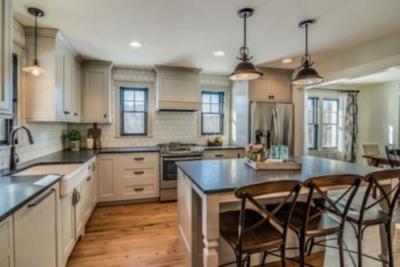

Demolition and remodeling are an integral part of any construction work. Demolition represents the end, and remodeling is basically a new beginning. However, these are linked to each other and collectively contribute to transforming spaces to the liking of the owners.
Whether it's a commercial building, public space, or residential property, by combining both of these practices, you can breathe new life into an old space. You will have the perfect environment that meets modern needs and aesthetic standards.
What is Demolition?
It is a process where a building or a space is dismantled or destroyed for the sake of building something new in its place. It may seem an easy process where everything is demolished carelessly as it's not needed anymore, but there are many vital aspects like planning and execution. For a better understanding, the following are the key points of the demolition process:
Assessment and Planning
Any demolition begins with these two: assessment and planning. It's a thorough assessment of the building and site that helps in creating a grey structure during the demolition process. In this process, hazardous materials like asbestos will be identified, which will determine the structural integrity of the building. This will help in planning the safest and most efficient way for the demolition.
Permits and Regulations
Demolition projects can only be advanced with permits and compliance with many regulations, which is easier said than done. It can take some time, and you might have to wait for a few weeks at best. So it's better that you are done with the paperwork beforehand. This way, the demolition process will be carried out safely with minimal impact on the surrounding environment.
Safety Measures
Among the paramounts of demolition, safety is always at the top. It goes both ways for workers on-site and neighboring properties. You will have to thoroughly analyze the situation and come up with the best course possible. You should only proceed when you are sure that there are no potential hazards to neighboring property, workers, and passersby.
Waste Management
Waste management is often the most overlooked part of demolition projects, which is not a good practice. The significant amount of debris should be taken care of with a waste management plan to recycle and dispose of the materials responsibly.
What is Included in Remodeling
Remodeling often comes after the demolition stage and is often known as the renovation process. On the flip side, remodeling can also be done on an existing structure to reconfigure the layout completely.
Design and Planning
A proper design and plan is crucial before starting any remodeling project. This is a detailed process, and it can take a few days to get the desired design and a plan that will help execute it. The most important parts are creating blueprints, selecting the materials needed, and making sure that the design is exactly as the client wants.
Structural Modifications
Once the plan is ready, it's time to implement the structural modifications according to the desired changes. It includes knocking down non-bearing walls, adding a new space, or even changing the way a room is designed.
Sustainability and Efficiency
Remodeling projects often focus on sustainability and energy efficiency as it's a better overall choice. It includes installing energy-efficient windows, using sustainable materials, or incorporating smart home technology.
Interior and Exterior Finishes
Remodeling often involves updating both the interior and exterior finishes. This includes new flooring, painting, lighting, and other aesthetic enhancements that give the space a fresh, modern look.
D&R construction are two sides of the same coin, each playing a crucial role in the transformation of spaces. From planning and execution to design and finishing touches, these processes work together to create environments that are safe, functional, and visually appealing.
Companies show case the power of this synergy, turning outdated structures into modern marvels. Whether you're looking to update your home, revamp a commercial space, or undertake a large-scale development project, the combined approach of demolition and remodeling offers endless possibilities for transformation.
Frequently Asked Questions
1. What is the difference between demolition and deconstruction?
Demolition is the complete tearing down of a structure, while deconstruction involves carefully dismantling buildings to salvage materials for reuse or recycling.
2. How does demolition impact the environment?
Demolition can generate significant waste and dust. However, proper planning and waste management can mitigate environmental impact by recycling materials and controlling pollutants.
3. Can any building be remodeled after demolition?
Most buildings can be remodeled after demolition of certain parts, but it's crucial to assess structural integrity and local building codes to ensure feasibility.
4. How long does a demolition process typically take?
The duration varies depending on the building size, materials, and complexity. It can take from a few days to several weeks, including preparation and cleanup.
5. What are the main goals of a remodeling project?
Remodeling aims to improve the functionality, aesthetic appeal, and energy efficiency of a space while meeting the client's specific needs and preferences.


(0) comments
We welcome your comments
Log In
Post a comment as Guest
Keep it Clean. Please avoid obscene, vulgar, lewd, racist or sexually-oriented language.
PLEASE TURN OFF YOUR CAPS LOCK.
Don't Threaten. Threats of harming another person will not be tolerated.
Be Truthful. Don't knowingly lie about anyone or anything.
Be Nice. No racism, sexism or any sort of -ism that is degrading to another person.
Be Proactive. Use the 'Report' link on each comment to let us know of abusive posts.
Share with Us. We'd love to hear eyewitness accounts, the history behind an article.