
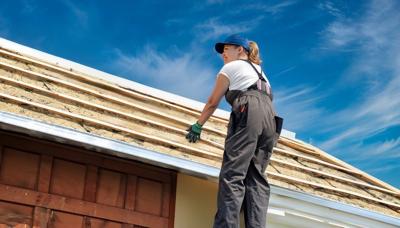

A roof is easy to overlook when it is doing its job properly. There are no leaks to chase, no shingles scattered across the yard and no suspicious stains appearing on the ceiling. But the difference between a roof that simply looks finished and one that has been properly planned and installed can affect nearly every part of a property beneath it.
For both homes and commercial buildings, a well-executed roof job is about much more than attaching shingles, tile or metal to the top of a structure. Roofing is a complete system involving materials, underlayment, flashing, drainage, ventilation and workmanship. When those components work together correctly, the result can protect the building, improve comfort and reduce the likelihood of expensive surprises later.
Better Protection From Water and Weather
The most important purpose of any roof is protection. Rain, wind, heat, moisture and seasonal temperature changes constantly test the materials and connections that keep water outside where it belongs.
A properly installed roof directs water toward gutters and drainage areas while flashing protects vulnerable points around chimneys, vents, skylights and roof transitions. Underlayment adds another layer of defense beneath the visible roofing material. If one of these elements is poorly installed, even an attractive new roof can eventually develop problems.
That is why homeowners should think of roofing as a complete system rather than focusing solely on the shingles or tiles they can see from the street. Our guide to choosing long-lasting roofing solutions explains how these individual components work together.
Fewer Expensive Repairs Down the Road
A small roofing mistake can become a surprisingly expensive problem when it remains hidden. Water entering around improperly installed flashing, for example, may eventually affect insulation, drywall, ceilings or framing before the problem becomes obvious inside the building.
Quality installation will not eliminate every future repair, but it can significantly reduce problems caused by poor workmanship. Regular inspections and maintenance remain important, particularly after severe weather or as roofing materials age.
Property owners should also resist automatically assuming that every roofing problem requires complete replacement. Depending on the age and condition of the roof, repairing or restoring the existing system may be the better choice. Understanding when to repair, restore or replace a roof can help prevent both unnecessary replacement and repairs that merely postpone an inevitable larger project.
Improved Energy Performance
Roofing can also influence how comfortable a building feels inside. Roof color, material, insulation and ventilation all affect how heat moves through the structure.
In warmer climates, certain roofing products can reflect more solar energy and absorb less heat than conventional roofs. The U.S. Department of Energy explains that cool roofs can help reduce heat transferred into a building, potentially reducing cooling demand under the right conditions.
Ventilation matters as well. A roofing project is an opportunity to evaluate whether the attic and roof system are managing heat and moisture properly rather than simply replacing the visible surface and ignoring what is happening underneath.
Energy efficiency should never be reduced to one material or product claim. Climate, roof design, insulation and the building itself all influence performance, which is another reason roofing choices should be made as part of a complete system.
Stronger Curb Appeal and Property Value
The roof occupies a large portion of a property's exterior, particularly on homes with prominent rooflines. Its color, texture and condition can dramatically influence the way the entire building looks.
A worn or mismatched roof can make an otherwise attractive property appear neglected. A thoughtfully selected roof can do the opposite, complementing exterior paint, stonework, landscaping and architectural details. Choosing between asphalt shingles, metal, clay tile, slate and other options is therefore both a practical and a design decision.
Our overview of common roofing materials for houses is a useful starting point when comparing materials, while homeowners primarily concerned with appearance may want to consider how the right roof can complement a home's architecture.
For homeowners considering a future sale, a well-maintained roof can also remove a significant question mark for prospective buyers. It does not guarantee a particular return on investment, but the condition of a major building system can certainly influence how buyers perceive a property and the amount of future work they believe it will require.
The Installation Matters as Much as the Material
Premium roofing materials cannot compensate for poor installation. Even highly durable products can fail prematurely when flashing, fasteners, ventilation, drainage or manufacturer specifications are handled incorrectly.
A qualified roofing contractor should evaluate the existing roof before recommending a solution, explain whether repair or replacement makes sense and identify problems that may not be visible from the ground. The contractor should also understand local building requirements and install the selected materials according to the appropriate specifications.
There is much more involved than simply removing an old roof and installing a new surface. For a closer look at the process, see what a roofing contractor actually does and why it matters.
Maintenance Protects the Investment
Finishing the roofing project does not mean the roof should be forgotten for the next 20 years. Leaves and debris can collect, gutters can clog, sealants can deteriorate and storms can damage materials that previously performed perfectly.
Periodic visual inspections can help identify missing or damaged roofing materials, flashing problems, drainage issues and early signs of moisture intrusion. Addressing those concerns while they are small is generally preferable to discovering them after water has reached the interior.
Commercial property owners may need a more formal maintenance schedule, particularly on low-slope or flat roofing systems where drainage and penetrations require closer attention. Residential owners can take a similar preventive approach without climbing onto the roof themselves; many problems can be spotted from the ground or identified during a professional inspection.
A Good Roof Is an Investment in the Entire Property
The real benefit of a well-executed roof job is not simply having a new-looking roof. It is knowing that one of the building's most important protective systems has been designed and installed to perform as intended.
Good roofing protects what is underneath it, supports energy performance, contributes to curb appeal and can reduce the likelihood that relatively small installation mistakes turn into major repairs. Whether the property is a family home, investment property or commercial building, the same principle applies: the roof works best when materials, design, installation and maintenance are treated as parts of one system.
That makes roofing less of a cosmetic home improvement and more of a long-term investment in the durability of the property itself.

(0) comments
We welcome your comments
Log In
Post a comment as Guest
Keep it Clean. Please avoid obscene, vulgar, lewd, racist or sexually-oriented language.
PLEASE TURN OFF YOUR CAPS LOCK.
Don't Threaten. Threats of harming another person will not be tolerated.
Be Truthful. Don't knowingly lie about anyone or anything.
Be Nice. No racism, sexism or any sort of -ism that is degrading to another person.
Be Proactive. Use the 'Report' link on each comment to let us know of abusive posts.
Share with Us. We'd love to hear eyewitness accounts, the history behind an article.