
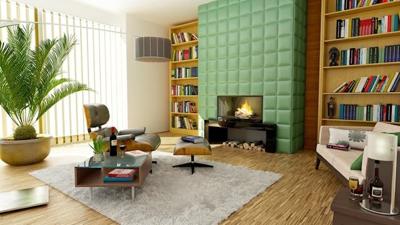

Interior design is not merely about arranging furniture or choosing paint colors; it expresses your personality and lifestyle. Your space speaks volumes about who you are, your tastes, preferences, and aspirations. Every element within your home or office communicates a message, from the layout to the decor. Delve into the art of deciphering what your space says about you and explore some interior design tips to help you amplify its voice.
The Layout: Structure Speaks Volumes
The layout of your space sets the foundation for its personality. Like Brickmoon Design there are several interior designing firms that give amazing results. An open floor plan signifies a sociable and welcoming environment, while compartmentalized rooms suggest a preference for privacy and delineation of spaces. If your living room is centered around a fireplace, it may indicate a desire for warmth and intimacy in social gatherings. Pay attention to how your space is structured; it’s the first clue to understanding its personality.
Color Palette: The Language of Hues
Colors evoke emotions and influence mood, making them a powerful tool in interior design. Bold, vibrant colors convey energy and confidence, while muted tones suggest a more tranquil and serene atmosphere. If your space is adorned with earthy tones and natural textures, it reflects a connection to the outdoors and a desire for harmony with nature. Consider your space's color palette reflecting your innermost feelings and aspirations.
Furniture Selection: Comfort and Character
The furniture one chooses speaks volumes about your lifestyle and values. Sleek, minimalist furniture exudes modernity and simplicity, reflecting a preference for clean lines and functionality. On the other hand, ornate, antique pieces convey a sense of history and appreciation for craftsmanship. Pay attention to the materials and styles of your furniture; they reveal your taste and personality in subtle yet significant ways.
Décor Accents: Personal Touches
Accessories and décor accents add personality and character to your space. Family photographs, artwork, and souvenirs tell the story of your life experiences and interests. A collection of books signifies intellectual curiosity, while plants and greenery suggest a nurturing and eco-conscious mindset. Surround yourself with items that resonate with you; they are the key to infusing your space with authenticity and individuality.
Lighting: Setting the Mood
Lighting plays an important role in shaping the ambience of your space. Soft, diffused lighting creates a cozy, intimate atmosphere, perfect for relaxation and unwinding after a long day. Bright, task-oriented lighting enhances productivity and focus and is ideal for workspaces and kitchens. Pay attention to the placement and intensity of light sources in your space; they profoundly impact mood and functionality.
Organization: Orderly Chaos
How you organize and arrange your space speaks volumes about your personality and lifestyle. A clutter-free environment reflects a preference for simplicity and organization, while a more eclectic and eclectic aesthetic suggests a creative and adventurous spirit. Consider the balance between form and function in your space; it’s the key to achieving harmony and coherence in your design.
Flexibility: Adapting to Change
An adaptable and flexible space reflects a mindset open to change and evolution. Modular furniture, multifunctional spaces, and versatile décor elements allow you to easily reconfigure your environment to suit your changing needs and preferences. Embrace the fluidity of design; it keeps your space dynamic and responsive to the rhythm of life.
Personal Retreat: Nurturing Your Sanctuary
Your space should reflect your innermost desires and aspirations—a sanctuary where you can retreat and recharge amidst the chaos of the outside world. Create designated relaxation and introspective areas, whether reading nook or a tranquil meditation corner. Surround with elements that bring you joy and comfort; they are the foundation of a genuinely nurturing environment.
Texture and Materiality: The Sensory Experience
Texture and materiality from Brickmoon Design add depth and richness to your space, engaging the senses and enhancing the overall experience. Smooth, glossy surfaces convey a sense of modernity and sophistication, while rough textures and natural materials evoke a rustic and earthy charm. Pay attention to the tactile qualities of your furniture and décor; they contribute to the sensory landscape of your environment and offer subtle hints about your preferences and personality.
Spatial Dynamics: Balancing Yin and Yang
The interplay between positive and negative space is fundamental to interior design. A well-balanced composition achieves harmony and equilibrium, creating a sense of flow and cohesion within your space. Pay attention to the proportions and scale of furniture and architectural elements; they influence your environment's spatial dynamics and energy flow. By striking the right balance between yin and yang, you can create a space that feels dynamic and serene, reflecting your inner equilibrium and sense of rhythm.
Interior design is one of the powerful tools for self-expression and reflection. Your space is a canvas upon which you can paint the portrait of your personality and lifestyle. Pay attention to the subtle cues and clues within your environment; they hold the key to unlocking its true essence. By incorporating these interior design tips, you can create a space that not only looks beautiful but also speaks volumes about who you are and what you value most.

(0) comments
We welcome your comments
Log In
Post a comment as Guest
Keep it Clean. Please avoid obscene, vulgar, lewd, racist or sexually-oriented language.
PLEASE TURN OFF YOUR CAPS LOCK.
Don't Threaten. Threats of harming another person will not be tolerated.
Be Truthful. Don't knowingly lie about anyone or anything.
Be Nice. No racism, sexism or any sort of -ism that is degrading to another person.
Be Proactive. Use the 'Report' link on each comment to let us know of abusive posts.
Share with Us. We'd love to hear eyewitness accounts, the history behind an article.