

A building rarely fails without warning. It gives signals for weeks or months, and those signals are missed because nobody was scheduled to look for them. The difference between a property that runs quietly and one that lurches from problem to problem is almost never luck. It is whether somebody wrote down what needed checking and when.
An annual maintenance plan is that document. It lists every system in the building, assigns a frequency to each task, names who is responsible, and attaches a rough cost. For facility managers working in Tampa Bay, where warmth and moisture put year-round pressure on equipment and structure alike, a plan that only covers part of the property leaves the rest exposed. The goal is coverage, not complexity.
Why a Written Plan Beats Reacting to Failures
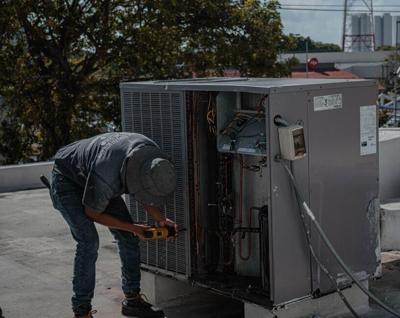
Most buildings run on equipment that nobody thinks about until the day it stops working, and by then the choices are limited and expensive. Commercial HVAC equipment is usually where that lesson lands hardest, because a failed unit can empty a dining room, halt production, or make an office unworkable within an hour.
Scheduled professional care is what prevents it, since a technician working to a calendar finds worn parts and small faults during a routine visit rather than during the first hot week of the season. Hiring a company that provides reliable commercial HVAC services in Tampa Bay puts that routine on a fixed footing, and the same discipline, applied to every other system in the building, is what an annual plan is for.
Map the Year Before You Assign Anything
Once the inventory exists, spread the work across twelve months. Some tasks are monthly, some quarterly, some annual, and a few sit on multi-year cycles. Group them by season so the heaviest inspections land before the periods when the building is under the most strain, not during them.
Watch the distribution. If half the plan falls in one quarter, it will not survive contact with a busy month. Move tasks around until each month carries a manageable load, and put the whole schedule into a system that issues reminders on its own rather than relying on memory.
Electrical Distribution and Backup Power
Electrical work sits almost entirely with licensed professionals, but the plan still needs to name it. Schedule panel inspections, thermal scanning of connections, and testing of breakers and disconnects at the interval your equipment and local requirements call for. Older installations and heavily loaded panels need attention more often.
Backup and emergency power deserve their own line. Generators and battery systems need regular load testing and fuel checks, because equipment that only matters during an outage is exactly the equipment that quietly stops working between them.
Plumbing, Drainage, and Water Supply
Water problems are slow, quiet, and costly. Build in routine checks of supply lines, shutoff valves, and visible joints, along with inspections under sinks, behind equipment, and anywhere a slow leak could sit unseen for months. Exercise main and isolation valves annually so they still turn when somebody needs them in a hurry.
Drains and grease interceptors need cleaning on a schedule matched to how hard they work. Backflow prevention devices need testing at the required interval.
Fire Safety and Life Safety Equipment
This part of the plan is not negotiable, and much of it is set by code rather than preference. Extinguishers need monthly visual checks and annual servicing. Alarm systems, detectors, and sprinkler systems have their own required inspection and testing cycles.
Exit signage, emergency lighting, and egress routes need regular confirmation that nothing has been blocked, disabled, or quietly repurposed as storage.
Keep Records That Actually Tell You Something
Log every inspection, repair, and replacement with the date, the work performed, and who performed it. Keep reports, invoices, and warranty paperwork together and accessible.
After two or three years, that record starts answering questions you could not otherwise answer. It shows which equipment is consuming an unreasonable share of your budget, which faults keep returning, and which assets are close enough to the end of their working life that replacement is the better decision.
Build a Budget That Matches the Schedule
Attach an estimated cost to every recurring task and total it by month and by year. That turns maintenance into a predictable operating expense instead of a series of unplanned requests.
Alongside it, maintain a reserve for capital replacement. Every major system has a known working span, and knowing where each one sits on that span lets you plan replacements on your own timetable rather than on the equipment's.
Review and Adjust It Each Year
Set a date to review the whole plan annually. Look at what was completed, what slipped, and what proved either too frequent or not frequent enough. Add anything installed during the year and remove anything decommissioned.
The plan is not meant to be perfect on the first pass. It is meant to make sure that every system in the building is being looked at by somebody, on a known schedule, before it forces the issue on its own terms.
(0) comments
We welcome your comments
Log In
Post a comment as Guest
Keep it Clean. Please avoid obscene, vulgar, lewd, racist or sexually-oriented language.
PLEASE TURN OFF YOUR CAPS LOCK.
Don't Threaten. Threats of harming another person will not be tolerated.
Be Truthful. Don't knowingly lie about anyone or anything.
Be Nice. No racism, sexism or any sort of -ism that is degrading to another person.
Be Proactive. Use the 'Report' link on each comment to let us know of abusive posts.
Share with Us. We'd love to hear eyewitness accounts, the history behind an article.