

As winter approaches, preparing your raised bed garden for the colder months is a good way to protect your plants, improve your soil’s health, and leave things in good shape for next season.
The right steps can ensure that your raised bed garden—whether it’s a cedar raised garden bed or a set of modular raised garden boxes—stays in excellent condition for spring planting. Here’s a guide to help you prepare your raised bed planters for the winter season.
1. Avoid Too Much “Clean-Up”
Instead of removing spent plants and disturbing soil, consider leaving seeds and plants intact in your raised bed garden for the winter. Doing this supports wildlife, enriches the soil, and reduces erosion over the long term. Here's why.
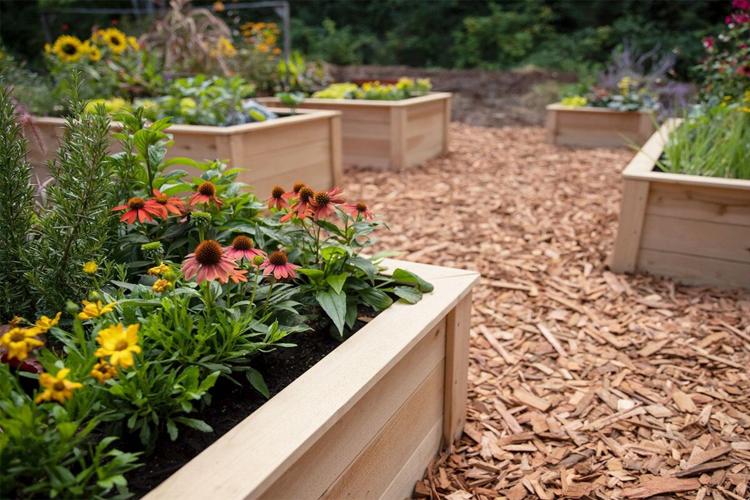
Seed heads are for the birds: Plants like sunflowers and coneflowers produce seed heads that are a valuable food source for birds through the winter. By leaving these plants standing, you’ll provide essential sustenance for wildlife, as well as add natural interest to your garden landscape.
Stubble helps stabilize soil:
Leaving plant stubble, such as stems and foliage, in your raised garden beds helps reduce erosion and preserve soil structure while keeping dormant weed seeds under the soil surface. For gardeners looking to cultivate a variety of plants, including weed seeds in Australia, this method promotes healthier soil and better-growing conditions. This organic material breaks down over time, adding natural compost.A little “mess” means wildlife habitat: Instead of pulling up all your plants, selectively leave annuals and perennials standing to offer shelter for insects and other small creatures. Overwintering pollinators often seek refuge in plant stems, while other beneficial insects find habitats in mulch and soil cover.

2. Protect Your Soil with Mulch and Cover Crops
Winterizing your raised garden beds means giving the soil a healthy boost to get ready for spring planting. Amending and protecting the soil now can reduce compaction and nutrient loss during the colder months.
Choose a suitable cover crop: Planting cover crops is an excellent way to maintain soil health in raised garden boxes during the winter months. Cover crops protect the soil, prevent erosion, and add organic matter. Clover, fall rye, or field peas are great options for raised bed planters.
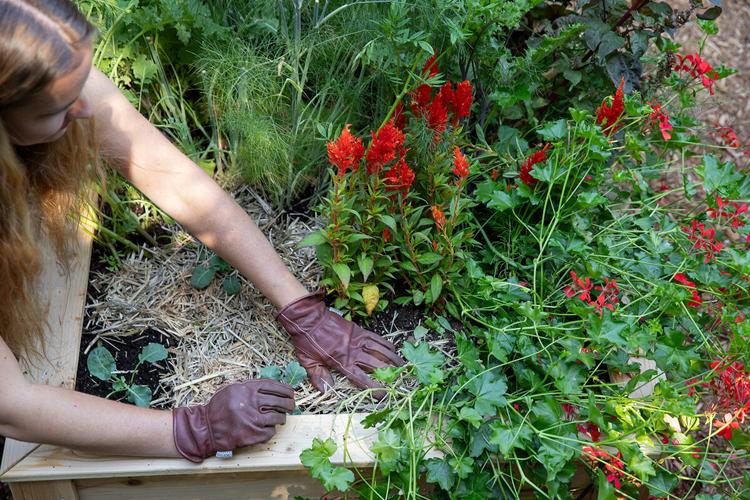
Cover the soil with mulch: If you still have plants going strong, cover exposed soil in your cedar-raised garden bed with mulch to keep the soil temperature steady and protect beneficial microorganisms. This layer also prevents winter rains from compacting the soil and leaching away valuable nutrients.
3. Inspect and Tend Your Raised Garden Beds
Winter can be harsh on raised garden beds, especially if they’re made of wood or other natural materials. Cedar-raised garden beds, for instance, are naturally weather-resistant but can still benefit from maintenance to extend their lifespan.
Inspect for damage: Examine your raised bed planters for any cracks, loose nails, or other signs of wear. Repairing these issues now can prevent further damage from snow, ice and freezing temperatures.
Apply a protective finish: For cedar-raised garden beds or other wooden structures, consider applying a food-safe wood protectant to safeguard against moisture and rot.
4. Water and Prepare for Freezing Temperatures
Before winter arrives, give your garden one last watering, especially if your area experiences dry fall weather. Proper watering encourages strong root development and provides extra warmth for overwintering plants.
Water deeply: Give your raised garden boxes a deep watering in late fall. This will ensure plants have access to moisture even as temperatures drop and the ground begins to freeze.
Remove irrigation systems: If you’re using drip irrigation or soaker hoses in your raised bed planters, remove them to prevent freezing and cracking. Store indoors until spring to extend their life and functionality.

5. Protect Overwintering Plants
For gardeners who like to extend the growing season, protecting cold-hardy plants like kale, spinach, and carrots in your raised bed garden is a simple matter of added protection.
Use row covers: Place lightweight row covers or frost cloths over your raised garden beds to insulate and protect plants from frost. These covers allow light and moisture in but keep the temperatures around your plants a few degrees warmer than the surrounding air.
Install cold frames: For maximum protection, consider adding cold frames over your raised garden boxes. These structures create a greenhouse effect, trapping heat and allowing cold-hardy plants to thrive in lower temperatures.
Winterize Proactively
Taking the time to winterize your raised bed garden will pay off with healthier soil, stronger plants, and a more productive growing season. Whether you have Eartheasy raised garden beds, cedar raised garden beds, or a collection of raised garden boxes, following these steps will ensure they stay in top condition.


(0) comments
We welcome your comments
Log In
Post a comment as Guest
Keep it Clean. Please avoid obscene, vulgar, lewd, racist or sexually-oriented language.
PLEASE TURN OFF YOUR CAPS LOCK.
Don't Threaten. Threats of harming another person will not be tolerated.
Be Truthful. Don't knowingly lie about anyone or anything.
Be Nice. No racism, sexism or any sort of -ism that is degrading to another person.
Be Proactive. Use the 'Report' link on each comment to let us know of abusive posts.
Share with Us. We'd love to hear eyewitness accounts, the history behind an article.