
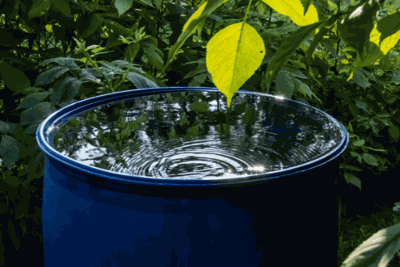

Water conservation is becoming increasingly important in Australia due to frequent droughts and water restrictions. One effective way to contribute to this effort is by rainwater tank installation.
Rainwater harvesting involves collecting and storing rainwater for various uses, such as gardening, flushing toilets, and even drinking if properly treated. This blog post will explore the numerous benefits of installing rainwater tanks, highlighting how they can save money, support the environment, and increase self-sufficiency.
Environmental Benefits
Rainwater tanks play a crucial role in reducing the demand on mains water supply. By collecting and storing rainwater, households can significantly decrease their reliance on treated water, which in turn helps conserve this precious resource. This is particularly important in Australia, where water scarcity is a frequent issue due to prolonged droughts and variable rainfall patterns.
Another significant environmental benefit of installing rainwater tanks is their positive impact on local water ecosystems. By capturing rainwater, these tanks reduce the volume of runoff that would otherwise flow into stormwater systems, rivers, and streams. This helps prevent erosion, reduce the risk of flooding, and minimise the amount of pollutants and sediments entering natural waterways.
Moreover, rainwater harvesting reduces the strain on natural water sources, such as rivers and reservoirs, especially during periods of low rainfall. By decreasing the extraction of water from these sources, rainwater tanks help maintain healthy ecosystems and support biodiversity. This contributes to the overall stability and resilience of local environments.
In addition, using rainwater for non-potable purposes, such as irrigation and toilet flushing, lessens the energy consumption associated with water treatment and distribution. This reduction in energy use helps lower greenhouse gas emissions, contributing to a decrease in the household's carbon footprint and promoting a more sustainable way of living.
Financial Savings
Installing a rainwater tank can lead to substantial financial savings by reducing your water bills. Depending on the size of the tank and the local climate, mains water usage can be reduced by as much as 100%. Harvested rainwater can be used for various non-potable purposes, such as garden irrigation, toilet flushing, and laundry. By substituting mains water with rainwater for these activities, households can significantly cut their water usage and lower their utility costs.
Additionally, the Australian government offers various rebates and incentives to encourage the installation of rainwater tanks. These financial incentives can help offset the initial cost of purchasing and installing the tank, making it a more affordable option for many households. Taking advantage of these schemes can further enhance the cost-effectiveness of rainwater harvesting systems.
The long-term financial benefits of installing a rainwater tank are also considerable. While the initial investment may be substantial, the ongoing savings on water bills can lead to a high return on investment over time. As water prices continue to rise, the savings achieved through reduced mains water usage become even more significant, making rainwater tanks a financially prudent choice.
Moreover, in areas where water restrictions are common, having a rainwater tank can help avoid the costs associated with purchasing water for essential uses. This self-sufficiency not only ensures a continuous water supply but also provides economic resilience against fluctuating water prices and availability.
Self-Sufficiency and Reliability
Rainwater tanks provide a reliable and independent water source, particularly during periods of water restrictions and droughts. In Australia, where these conditions are common, having a rainwater tank ensures a steady supply of water for essential tasks, reducing dependence on the municipal water supply. This self-sufficiency is invaluable in maintaining daily routines and mitigating the impact of water shortages.
With a rainwater tank, households can confidently use water for gardens, toilets, and washing machines, even when mains water is limited. This independence is particularly beneficial during extended dry spells, allowing homeowners to maintain their gardens and sustain household activities without worrying about water restrictions. The reliability of rainwater tanks thus supports a more resilient lifestyle.
Moreover, rainwater tanks offer peace of mind by providing a backup water source in emergencies. In the event of disruptions to the mains water supply, whether due to maintenance issues or natural disasters, a rainwater tank ensures that there is always an accessible reserve of water. This preparedness is crucial for both urban and rural households, enhancing overall water security.
Additionally, the use of rainwater reduces the demand on the public water infrastructure, potentially decreasing the frequency and severity of water shortages. By alleviating the pressure on municipal systems, widespread adoption of rainwater tanks can contribute to a more stable and reliable water supply for the broader community, fostering greater resilience and sustainability.
Improved Garden Health
Rainwater is naturally free of chemicals and additives often found in treated mains water, making it ideal for garden use. Plants tend to thrive with rainwater, as it is softer and contains fewer impurities. Using rainwater for irrigation can result in healthier, more vibrant plants and a more productive garden.
Additionally, rainwater helps maintain the natural balance of soil nutrients. Treated water can alter soil pH levels and introduce elements that may not be beneficial for plant growth. By using rainwater, gardeners can ensure that their soil remains healthy and conducive to plant development, promoting robust root systems and overall plant health.
During periods of water restrictions, having a rainwater tank allows gardeners to continue watering their plants without relying on the limited mains water supply. This capability ensures that gardens remain lush and well-maintained even during dry spells, contributing to a more attractive and sustainable home environment.
Install a Rainwater Tank Today!
Installing a rainwater tank offers numerous benefits, from environmental conservation and financial savings to increased self-sufficiency and property value. By reducing reliance on mains water, rainwater tanks support sustainable living and help safeguard Australia’s precious water resources.
Moreover, the advantages extend beyond individual households to the broader community, promoting resilience and environmental awareness. Given these compelling benefits, investing in a rainwater tank is a practical and responsible choice for any homeowner. Consider making this eco-friendly addition to your home to contribute positively to the environment and enjoy long-term savings.


(0) comments
We welcome your comments
Log In
Post a comment as Guest
Keep it Clean. Please avoid obscene, vulgar, lewd, racist or sexually-oriented language.
PLEASE TURN OFF YOUR CAPS LOCK.
Don't Threaten. Threats of harming another person will not be tolerated.
Be Truthful. Don't knowingly lie about anyone or anything.
Be Nice. No racism, sexism or any sort of -ism that is degrading to another person.
Be Proactive. Use the 'Report' link on each comment to let us know of abusive posts.
Share with Us. We'd love to hear eyewitness accounts, the history behind an article.