
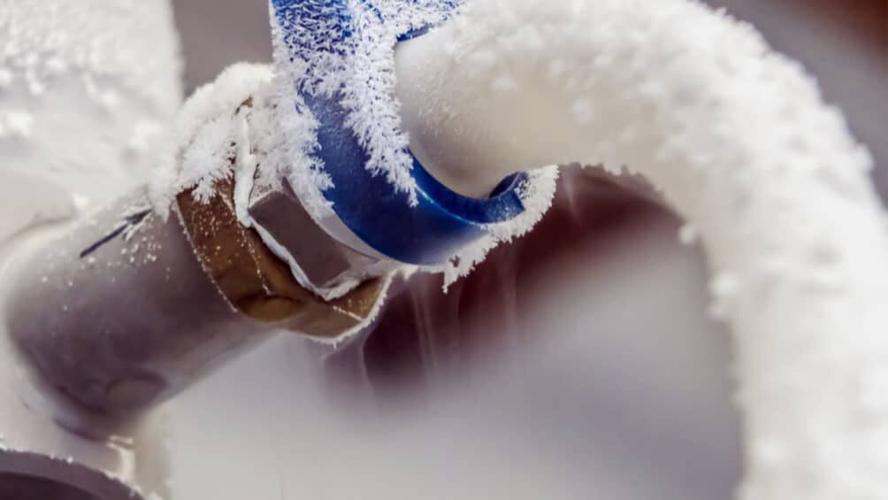

A homeowner's worst dread might be frozen pipes, especially during the chilly winter. When water freezes inside pipes, it expands and applies pressure, which could cause cracks or bursts in the pipes. It's essential to deal with frozen pipes immediately to avoid significant damage and pricey repairs. This article will examine practical methods for dealing with frozen pipes, such as preventative measures and techniques to restore water flow safely.
Prevention is Key
The best course of action is to prevent pipes from freezing in the first place. Here are some steps you can take to prevent this:
- Identify pipes that are most prone to freezing, such as those found in external walls, attics, and crawl spaces, and insulate them. Use heat tape or pipe insulation sleeves to insulate them. This adds a layer of defense and aids in keeping the water within at a consistent temperature.
- Look for any openings or cracks in your home that could let chilly air in. Seal these openings using weatherstripping or caulking, especially around windows, doors, and utility entrance points.
- Maintain a constant temperature in your home, especially during freezing weather. To avoid pipes freezing while you're away, set the thermostat to a minimum of 55 degrees Fahrenheit (12 degrees Celsius).
- When temperatures drop sharply, keeping faucets slightly open can help to release pressure in the pipes. A trickle of water can keep things from freezing.
Thawing Frozen Pipes
Responding quickly if you find frozen pipes is critical to avoid pipe bursts. What you can do is:
- Keep the faucet attached to the frozen pipe open as the ice melts to release any pressure. As the pipe thaws, this also offers a pathway for water to escape.
- Warm the pipe by applying heat using a hair dryer, heat lamp, or portable heater. Work your way toward the frozen area, starting at the faucet end. Never use a blowtorch or other open flame heating source since they can damage the pipe or spark a fire.
- Place hot water bottles next to the frozen pipe or wrap towels in hot water around it. The ice may begin to melt with the help of this additional heat source.
- If the frozen pipe is accessible from inside your home, open the wall or ceiling to make it visible and apply heat to the exposed pipe. The thawing process can be sped up with this technique.
- If the frozen pipe is in a small, confined area, such as a utility room or basement, you can use a space heater to warm the area up. Place the heater away from anything that could catch fire and point it toward the frozen pipe.
- Using de-icers to thaw pipes is another efficient technique. De-icers are chemical substances that can be placed straight into a frozen pipe and help melt ice. They function by bringing down the freezing point of water, which speeds up the thawing of the ice.
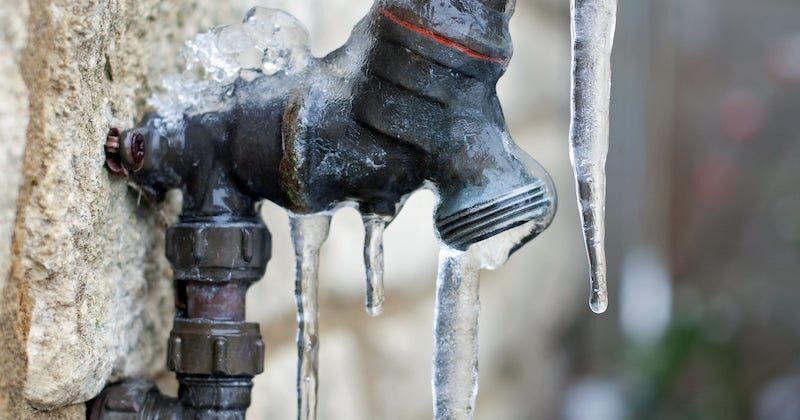
Further Steps
To avoid further freezing events, you should consider insulating any exposed pipes in your house, especially those in unheated locations like crawl spaces, attics, or basements. The water inside the pipes can be kept at a constant temperature using insulation sleeves or foam pipe insulation to prevent freezing. Seal all holes and openings in your home to prevent the entry of cold air, which can damage your pipes.
Seal these openings with caulk or weatherstripping, especially around windows, doors, and utility entrance points. Your pipes are less likely to freeze if you minimize the entry of cold air. Consider installing heat cables if pipes are susceptible to freezing, such as in external walls or chilly places. The minimal heat produced by these wires keeps the pipes above freezing. For appropriate installation, adhere to the manufacturer's instructions.
In extreme situations, when sure pipes are frequently prone to freezing, you can reroute the pipes to an area of your property that is better insulated or heated. This may require expert plumbing work, but it can offer a long-term freezing prevention option.
Frozen pipes must be dealt with quickly to avoid expensive damage and annoyance. Preventative actions like insulating pipes and blocking air leaks may lessen the likelihood of freezing. If you come across frozen pipes, use safe heat sources while following the proper defrosting procedures. Always put your safety first and seek professional advice when necessary.
(0) comments
We welcome your comments
Log In
Post a comment as Guest
Keep it Clean. Please avoid obscene, vulgar, lewd, racist or sexually-oriented language.
PLEASE TURN OFF YOUR CAPS LOCK.
Don't Threaten. Threats of harming another person will not be tolerated.
Be Truthful. Don't knowingly lie about anyone or anything.
Be Nice. No racism, sexism or any sort of -ism that is degrading to another person.
Be Proactive. Use the 'Report' link on each comment to let us know of abusive posts.
Share with Us. We'd love to hear eyewitness accounts, the history behind an article.