

#FirepitInstallationAtlanta
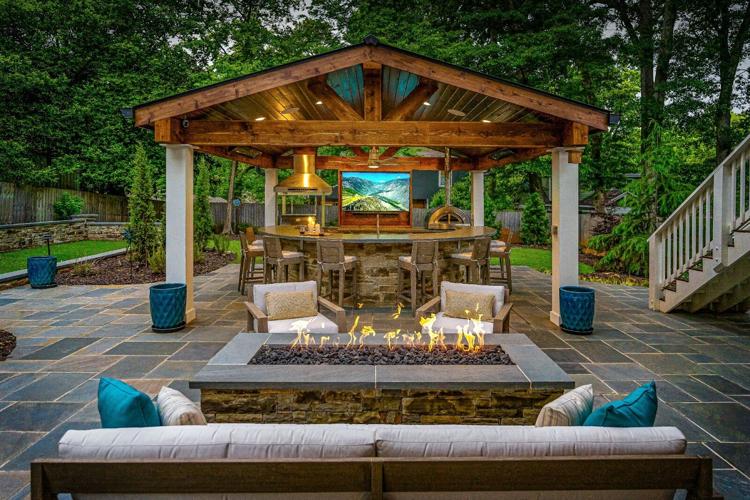
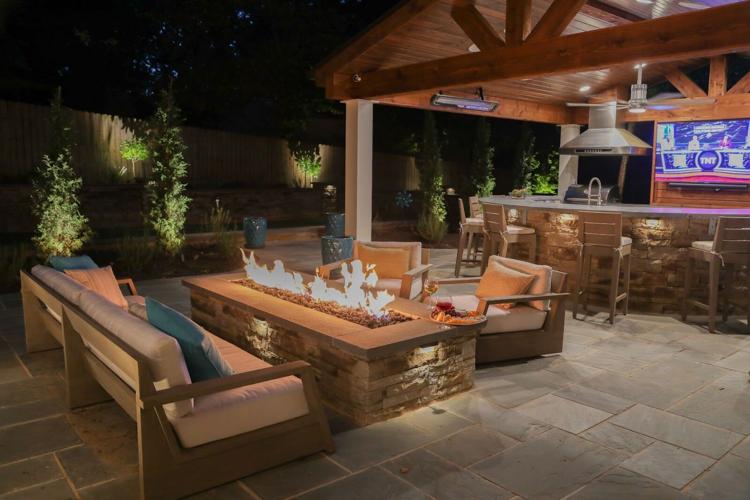
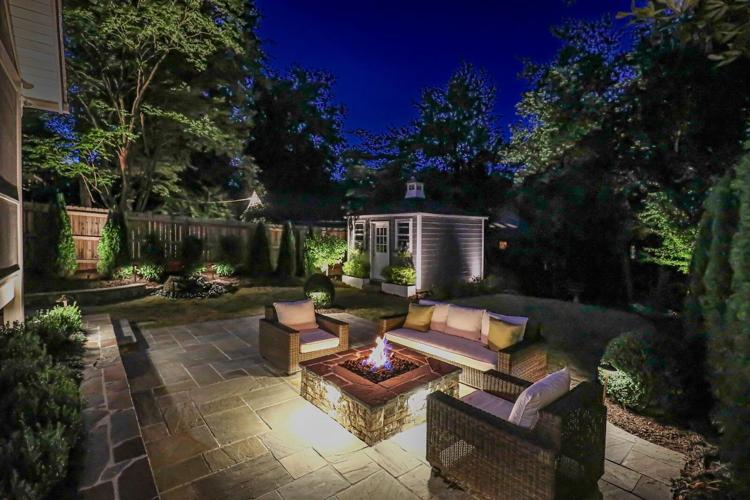
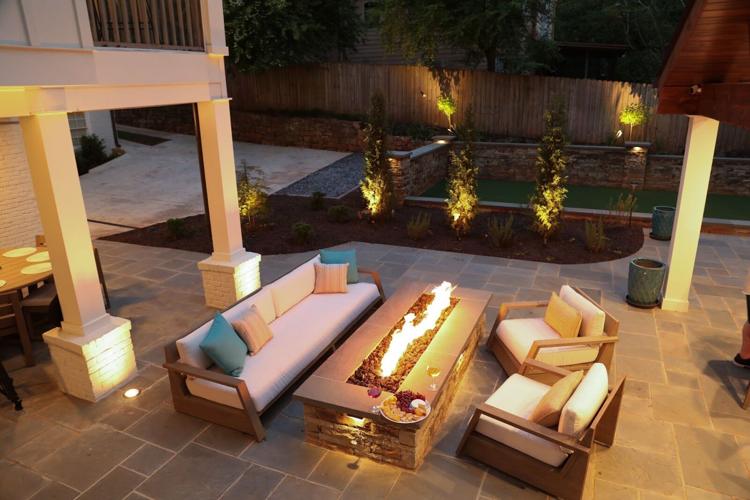
Is there anything cozier than gathering around a fire with family and friends—warm hands, happy faces, and that “we should do this more often” feeling? A well-planned outdoor fire pit installation can absolutely upgrade your patio or backyard, but the best ones don’t happen by accident. They happen because someone thought through safety, placement, fuel type, and how the space will actually be used.
Below are practical, homeowner-friendly tips (and a few “don’t do what my neighbor did” reminders) to help you plan a fire pit that looks great and works safely year-round.
Start With the Right Fire Pit Style
Fire pits come in every personality type: sleek and modern, rustic and rugged, or “I just want s’mores without drama.” Choose your style based on how you’ll use it most often.
- Fire pit table: Great for entertaining—built-in surface space for drinks and snacks.
- Fire bowl: A sculptural centerpiece that’s easy to place and easy to love.
- Stone or masonry pit: Classic, durable, and ideal for a permanent “anchor” in the yard.
- Fire pit grill setup: If you’re the type who wants dinner and ambiance in one move.
If you want more inspiration on design details, shapes, and what looks best in different layouts, this related read is helpful:Exploring Fire Pit Shapes: Choosing the Perfect Design for Your Outdoor Space.
Choose Your Fuel Type Carefully
Fuel choice affects everything—heat output, maintenance, smoke, cost to run, and how “hands-on” your evening becomes.
Wood Burning
Wood brings the crackle, the aroma, and the classic vibe. It also brings smoke, embers, and more cleanup. Use a spark screen and burn only dry, seasoned wood for a cleaner burn.
Helpful authority resources:EPA Burn Wise and EPA Best Wood-Burning Practices.
Propane
Propane is convenient and relatively clean, with easy on/off control. It’s a strong option for people who want warmth and ambiance without managing logs or ash.
Natural Gas
Natural gas is the “built-in” favorite—clean-burning, consistent, and typically the most convenient once installed. The key is doing it properly with permitted work and a qualified professional, since it involves gas lines and code compliance.
Liquid Alcohol and Gel Fuels
This is where I’m going to be blunt: avoid sketchy liquid-fueled tabletop fire features. The U.S. Consumer Product Safety Commission has warned about serious burn hazards from certain liquid-burning fire pits. Read the guidance directly here:CPSC Firepit Safety Tips and here: CPSC Consumer Alert on liquid-burning fire pits.
Pick the Safest Location First, Then the Prettiest One
A fire pit should feel inviting—not like you’re one gust of wind away from calling the fire department. Start with safety clearance, then refine for comfort and layout.
- Keep distance from anything that can burn: home, fencing, patio furniture, shrubs, overhangs, and low branches. (NFPA and USFA both recommend at least 10 feet for many outdoor fire features.)
- Choose a stable, level surface: avoid sloped ground or wobbly pavers.
- Plan for wind: place seating so smoke doesn’t funnel into faces every five minutes.
- Protect the surface: use a non-combustible base like gravel, pavers, or a rated fire pad.
- Keep safety tools nearby: hose, bucket of water, or a fire extinguisher.
- Check local rules: many areas have restrictions during fire season and rules on placement, size, and burn conditions.
Authority references worth bookmarking:USFA Outdoor Fire Safety and NFPA Tips for Fire Pits and Outdoor Fires.
Installation Essentials That Prevent Headaches Later
The difference between “dreamy backyard moment” and “why is this smoking so much?” often comes down to setup details.
- Size it to your space: a huge pit in a small patio feels cramped and throws too much heat.
- Plan comfortable seating distance: close enough to feel warmth, far enough to relax.
- Use a spark screen for wood: it reduces ember pop (and anxiety).
- Mind drainage: especially for permanent installs—water pooling around a pit ruins materials over time.
- Don’t skip permits when required: especially for gas line work and built-in structures.
If you’re building out the whole backyard (not just the fire feature), this internal piece pairs well for broader layout ideas: Get Your Perfect Backyard With These Easy And Smart Ideas.
Work With a Pro When It Makes Sense
For a simple portable wood-burning unit on a proper base, DIY can be fine. For permanent masonry, integrated seating, or anything involving a gas line, professional installation is often the safest and cleanest route.
If you’re exploring a professionally installed option, you can review the service details here: Fire Pit Installation.
And if you’re planning a bigger outdoor refresh, their main site is here: Outdoor Makeover and Living Spaces.
<h3">Here are some other articles related to your search:


(0) comments
We welcome your comments
Log In
Post a comment as Guest
Keep it Clean. Please avoid obscene, vulgar, lewd, racist or sexually-oriented language.
PLEASE TURN OFF YOUR CAPS LOCK.
Don't Threaten. Threats of harming another person will not be tolerated.
Be Truthful. Don't knowingly lie about anyone or anything.
Be Nice. No racism, sexism or any sort of -ism that is degrading to another person.
Be Proactive. Use the 'Report' link on each comment to let us know of abusive posts.
Share with Us. We'd love to hear eyewitness accounts, the history behind an article.