
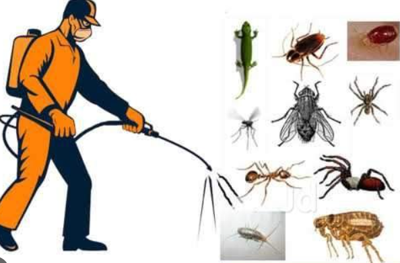

Indoor pest treatment is crucial for maintaining a comfortable and healthy home. Many families wonder how often their residences should be treated to keep pests at bay.
There is no one-size-fits-all answer. But, several factors can help homeowners decide the best treatment frequency.
Read on to learn when you must have an indoor pest treatment.
The Factors That Influence Indoor Pest Treatment
Consider the level of pest activity in your home. If you notice more bugs or rodents, regular treatment becomes essential.
Even subtle signs like pest droppings or nests can indicate a larger infestation. If you live near water or woods, pests may infest your home. Frequent indoor pest treatment can help.
Extreme seasonal changes also affect how often you need pest control services. When temperatures drop, some pests may seek the warmth of your home, while in hotter months, others may come out to multiply.
A treatment plan for your indoor space can reduce pests. It should prepare the space for seasonal shifts. Some homeowners schedule treatments just before pest seasons.
Identifying High-Risk Areas in Your Home
Identifying high-risk areas in your residence is essential. Kitchen areas, bathrooms, and basements often attract pests due to moisture or food sources.
Look for cracks or openings in these areas where rodents or insects can enter. Sealing these vulnerabilities and pest treatment in high-risk areas can keep your home safer.
When undertaking house renovation, it's vital to think about pest management. Renovating your home can disturb pests and make them more noticeable.
Thus, consider scheduling an indoor pest treatment before or after significant work. This helps avoid the increased risk of infestations due to the disturbance of pest habitats.
The Benefits of Regular Indoor Pest Treatment
Keeping up with indoor pest treatment has numerous benefits. Regular treatment protects your family's health. It reduces disease-carrying pests like rodents and cockroaches. These pests often carry bacteria and can introduce unpleasant odors into your living space.
In addition, frequent treatments can help maintain the overall value of your home. Pest infestations can lead to structural damage, making it costly to repair things like damaged wood or insulation. Treating your home consistently can prevent these destructive issues.
When to Schedule Indoor Pest Treatment
Many homeowners choose bi-monthly or quarterly treatments. It depends on their needs and concerns.
If you have seen signs of pests recently or if your area is known for pest problems, consider more frequent treatments. Seasonal treatments align with changes in weather, allowing you to address specific pest issues for every type of season.
In areas with dense pest populations, homeowners may need to schedule indoor pest treatments every month. This is especially true in the warm months when pests reproduce quickly.
If you're unsure about how often you should schedule indoor pest treatment, consult a professional pest control company. They can provide insight into your local conditions and help develop a routine that suits your needs. For further assistance, visit https://www.envirogpc.com/laredo-tx-pest-control/ for expert advice tailored to your location.
Learning About Indoor Pest Treatment
Understanding the need for regular indoor pest treatment helps to maintain a safe and pleasant living environment. Know pest activity and the effects of extreme seasonal changes. They are important when planning treatment schedules.
Regularly check high-risk areas and consider renovations. This can greatly reduce the chance of a pest infestation.
If you enjoyed this article and would like to read more like it, please check out the rest of our blog today.
(0) comments
We welcome your comments
Log In
Post a comment as Guest
Keep it Clean. Please avoid obscene, vulgar, lewd, racist or sexually-oriented language.
PLEASE TURN OFF YOUR CAPS LOCK.
Don't Threaten. Threats of harming another person will not be tolerated.
Be Truthful. Don't knowingly lie about anyone or anything.
Be Nice. No racism, sexism or any sort of -ism that is degrading to another person.
Be Proactive. Use the 'Report' link on each comment to let us know of abusive posts.
Share with Us. We'd love to hear eyewitness accounts, the history behind an article.