
Your roof is your home's first line of defense against the elements. Whether it's the scorching sun, heavy rain, or gusty winds, different weather conditions can significantly impact your roof's durability and lifespan. For homeowners, understanding these effects and knowing how to protect their roofs is crucial for maintaining the integrity of their homes. In this blog post, we will explore how various weather conditions affect your roof and provide practical tips to help you safeguard it. We'll also discuss the importance of regular inspections and timely repairs to ensure your roof remains in top condition.
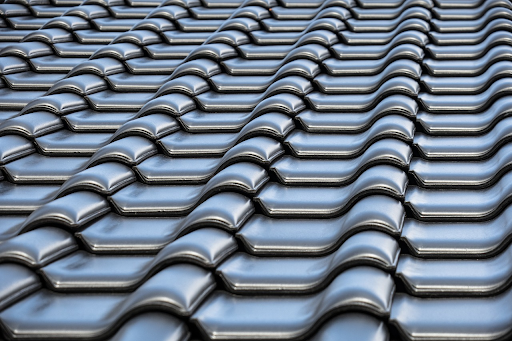
Bad Weather Conditions Can Reduce The Lifespan of Your Roof
Hailstorms can be particularly damaging to roofs, as hailstones can dent, crack, or puncture roofing materials. This damage can compromise your roof's integrity and lead to leaks and other issues if not addressed promptly. After a hailstorm, it's essential to have your roof inspected by a professional. Experienced roofers are equipped to handle any project, from reroofs to hail damage repairs, as explained on the callmyroofpro.com website. They can assess the extent of the damage and recommend necessary repairs to restore your roof's condition. To protect your roof from future hail damage, consider installing impact-resistant roofing materials. These materials are designed to withstand the impact of hailstones and provide long-term protection for your home.
Sun Exposure Can Lead to Roof Damage
The Impact of UV Rays
Sunlight might seem harmless, but prolonged exposure to UV rays can weaken your roof's materials. Over time, UV rays can cause shingles to crack and fade, reducing their ability to protect your home. For roofs made of asphalt shingles, this degradation can happen even faster, leading to premature aging.
Thermal Expansion and Contraction
Temperature fluctuations can cause your roof to expand and contract, particularly in regions with hot summers and cold winters. This constant movement can lead to the formation of cracks and gaps in your roofing materials, making your roof more susceptible to leaks and other damage.
Protective Measures
To combat the effects of sun exposure, consider applying a reflective coating to your roof. This coating can help reduce heat absorption and minimize thermal expansion and contraction. Additionally, regular inspections can help identify early signs of sun damage, allowing for timely repairs.
Heavy Rain and Your Roof
Water Damage Risks
Heavy rain can pose a significant threat to your roof, especially if it has existing vulnerabilities. Water can seep through small cracks and gaps, leading to leaks and water damage inside your home. Over time, this can cause structural damage and promote mold growth.
Importance of Proper Drainage
Ensuring proper drainage is essential to prevent water damage. Clean and well-maintained gutters and downspouts are crucial for directing rainwater away from your roof and foundation. Clogged or damaged gutters can lead to water pooling on your roof, increasing the risk of leaks.
Regular Maintenance Tips
Regularly inspect your roof for signs of water damage, such as water stains on your ceiling or walls. Address any issues promptly to prevent further damage. Additionally, keep your gutters clean and clear of debris to ensure efficient water flow.
Wind Damage and Roof Stability
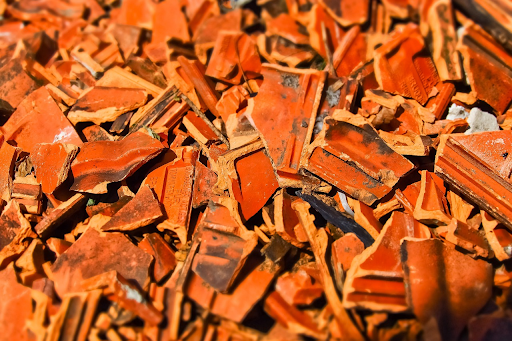
How Wind Affects Roofs
Strong winds can lift shingles, tiles, and other roofing materials, leaving your roof exposed to the elements. In extreme cases, high winds can even tear off entire sections of your roof, leading to extensive damage and costly repairs.
Preventing Wind Damage
To protect your roof from wind damage, ensure that all roofing materials are securely fastened. Reinforce vulnerable areas, such as the edges and corners of your roof, which are more prone to wind damage. Additionally, consider installing wind-resistant roofing materials designed to withstand high winds.
Post-Storm Inspections
After a storm with strong winds, conduct a thorough inspection of your roof. Look for missing or damaged shingles and address any issues immediately. Prompt repairs can prevent further damage and maintain your roof's stability.
Snow and Ice Can Weigh Down Your Roof
The Dangers of Heavy Snowfall
Snow and ice accumulation can add significant weight to your roof, potentially causing structural damage. Flat roofs are particularly vulnerable, as snow and ice can collect more easily compared to sloped roofs. Excessive weight can lead to sagging or even roof collapse in severe cases. Moreover, the sheer weight of the accumulated snow and ice can put additional stress on the supporting walls and structure of your home. When snow begins to melt, it can refreeze, creating ice patches that exacerbate the weight issue and further strain your roof. The freeze-thaw cycle can also create small cracks and fissures that may grow over time, leading to leaks and potential water damage inside your home.
Ice Dams and Water Damage
Ice dams can form when snow on your roof melts due to heat escaping from your home and then refreezes at the colder edges of the roof, preventing proper drainage. This can create a barrier that traps water behind it, leading to a buildup of ice and snow. The trapped water can seep under shingles and into your home, causing significant leaks and water damage to your ceilings, walls, insulation, and even the structural elements of your house. Over time, this can result in mold growth and rot, further compromising the integrity of your home. Ice dams are a common issue in regions with cold winters and significant snowfall, particularly in older homes with insufficient insulation or ventilation. Besides the direct damage caused by water intrusion, ice dams can also exert tremendous pressure on the roof structure, leading to cracks and other vulnerabilities.
Preventive Measures
To prevent snow and ice damage, ensure your roof is properly insulated and ventilated. This can help maintain a consistent roof temperature and prevent ice dams from forming. Additionally, consider using a roof rake to remove excess snow and reduce the weight on your roof.
Weather conditions play a significant role in the lifespan and performance of your roof. By understanding how different weather elements affect your roof and taking proactive measures to protect it, you can extend its lifespan and maintain your home's safety and comfort. Regular inspections, timely repairs, and investing in high-quality roofing materials are essential steps in ensuring your roof remains in top condition. If you're unsure about the state of your roof or need professional assistance, don't hesitate to reach out to experienced roofers who can provide expert guidance and services.
(0) comments
We welcome your comments
Log In
Post a comment as Guest
Keep it Clean. Please avoid obscene, vulgar, lewd, racist or sexually-oriented language.
PLEASE TURN OFF YOUR CAPS LOCK.
Don't Threaten. Threats of harming another person will not be tolerated.
Be Truthful. Don't knowingly lie about anyone or anything.
Be Nice. No racism, sexism or any sort of -ism that is degrading to another person.
Be Proactive. Use the 'Report' link on each comment to let us know of abusive posts.
Share with Us. We'd love to hear eyewitness accounts, the history behind an article.