

A sturdy and well-maintained roof is essential for protecting your home from the elements and maintaining its structural integrity. Over time, however, roofs can deteriorate due to age, weather conditions, or other factors. If you're wondering whether it's time to replace your roof, this blog post will provide you with the signs to look out for and guide you on how to assess the need for repair or replacement.
Signs that your roof may need replacement
Age of the roof
One of the first factors to consider when determining if your roof needs replacement is its age. Consulting providers of commercial roofing services in your area will help you understand that different roofing materials have different lifespans. Asphalt shingles typically last around 20 to 25 years, while metal roofs can last up to 50 years or more. If your roof is approaching or has exceeded its expected lifespan, it may be time to consider a replacement.
Visible damage and wear
Visible damage and wear on a roof can be indicative of its overall condition. Signs of visible damage and wear may include missing shingles, curling edges, cracked tiles, or areas of obvious deterioration. These issues can compromise the waterproofing capability of the roof and potentially lead to leaks and further damage if not addressed. Conducting regular inspections and promptly addressing any visible damage or wear is crucial in maintaining the integrity of the roof and preventing potentially costly repairs down the line.
Leaks and water damage
Leaks and water damage are serious issues that can indicate underlying problems with a roof. If you notice water stains on your ceiling or walls, it is essential to promptly investigate and address the leak's source. Leaks can result from damaged flashing, cracked or missing shingles, or deteriorating roofing materials. Ignoring leaks can lead to further water damage, including mold growth, structural instability, and potential health hazards. It is crucial to tackle leaks and water damage promptly to prevent more extensive and costly repairs in the future. Regular roof inspections and proactive maintenance can help identify and address potential leak sources before they cause significant damage.
Energy efficiency concerns
Energy efficiency concerns related to a roof can have a significant impact on the overall comfort and cost-effectiveness of a home. An old or damaged roof can lead to insufficient insulation or ventilation, resulting in temperature imbalances and increased cooling and heating costs. Inadequate insulation can cause heat to escape during the winter and enter during the summer, leading to energy waste. Similarly, poor ventilation can trap hot air in the attic, making it harder to cool the house. By replacing an old roof or improving insulation and ventilation, homeowners can improve energy efficiency, reduce utility bills, and create a more comfortable living environment. Investing in energy-efficient roofing materials and ensuring proper insulation and ventilation can provide long-term benefits for both the environment and household finances.
Assessing the need for repair or replacement
DIY inspection tips
While professional expertise is essential, homeowners can conduct their own preliminary inspections to assess the state of their roofs. Start by carefully examining the interior spaces of your home for signs of leaks, water stains, or sagging ceilings. Then, safely inspect the exterior of the roof, checking for any visible damage, missing shingles, or worn-out areas. Additionally, pay attention to the condition of the flashing around chimneys, vents, and other protrusions.
Consulting a professional
While a DIY inspection can give you a general idea of your roof's condition, it is essential to seek expert advice from roofing professionals. They have the knowledge and experience to assess the roof thoroughly and provide accurate recommendations.
Engage a reputable roofing contractor to conduct a professional inspection and evaluation. They will have the expertise to identify underlying issues that may not be immediately visible to an untrained eye. They can also provide you with a detailed report on the condition of your roof and recommend whether repair or replacement is necessary.
Factors to consider when deciding on roof replacement
Cost vs. value
The cost of roof replacement can vary depending on several factors, including the size of your roof, the materials used, and the complexity of the job. While replacing a roof is undoubtedly an investment, it's essential to weigh the long-term benefits against the initial cost. While the upfront cost of a new roof may seem daunting, delaying replacement can lead to further damage and costly repairs down the line.
By replacing your roof, you can enjoy several benefits. First and foremost, a new roof ensures better protection for your home and belongings. It can also improve energy efficiency, reducing heating and cooling costs. Furthermore, a new roof enhances the curb appeal of your property and increases its overall value, making it a worthy investment.
Insurance and warranty considerations
When considering roof replacement, check your homeowner's insurance policy to determine if it covers roof damage and replacement. Additionally, review any warranties that may still be in effect for your current roof. Understanding what your insurance covers and the terms of any warranties can influence your decision-making process.
Exploring Alternative Options for Roof Replacement
In some cases, roof replacement may not be immediately necessary. Depending on the specific issues your roof is facing, there may be alternative options to consider.
For minor damage or localized issues, repairing specific areas of the roof can be a cost-effective solution. This approach allows you to address immediate concerns without the expense of a full roof replacement.
Another option to prolong the lifespan of your existing roof is applying roof coatings or sealants. These products create a protective barrier against moisture, UV rays, and other damaging elements, extending the life of your roof.
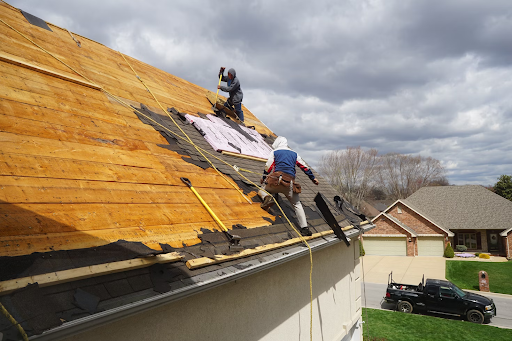
In conclusion, maintaining a well-functioning roof is crucial for the safety and longevity of your home. If you notice signs of aging, visible damage, leaks, or compromised energy efficiency, it's essential to evaluate whether your roof needs repair or replacement. Conducting your own preliminary inspection and seeking professional advice will help you make an informed decision. Remember, a new roof not only protects your home but also enhances its value and provides peace of mind for years to come.


(0) comments
We welcome your comments
Log In
Post a comment as Guest
Keep it Clean. Please avoid obscene, vulgar, lewd, racist or sexually-oriented language.
PLEASE TURN OFF YOUR CAPS LOCK.
Don't Threaten. Threats of harming another person will not be tolerated.
Be Truthful. Don't knowingly lie about anyone or anything.
Be Nice. No racism, sexism or any sort of -ism that is degrading to another person.
Be Proactive. Use the 'Report' link on each comment to let us know of abusive posts.
Share with Us. We'd love to hear eyewitness accounts, the history behind an article.