
Mold is an ever-present concern for homeowners in South Carolina. The state's warm, humid climate provides the perfect breeding ground for mold, posing various health risks and compromising the integrity of homes. However, implementing strategic design measures during construction or renovation can significantly mitigate the risk of mold growth, ensuring a healthier and more resilient living environment for residents.

Understanding the Mold Challenge in South Carolina
South Carolina's climate, characterized by high humidity and frequent rainfall, creates an environment conducive to mold growth. The moisture in the air easily penetrates building materials and furnishings, providing an ideal habitat for mold spores to proliferate. Additionally, the state's susceptibility to storms and flooding exacerbates the mold risk, particularly in poorly constructed or damaged homes.
Common scenarios that promote mold growth in South Carolina homes include:
Poorly constructed or broken walls: Structural vulnerabilities allow moisture to infiltrate, fostering mold growth.
Roof leaks: Water intrusion through compromised roofing materials contributes to mold proliferation in attics and ceilings.
Leaky water pipes: Undetected leaks within walls or under floors provide a constant source of moisture for mold.
Inadequate ventilation: Damp, poorly ventilated areas create stagnant air conducive to mold growth.
Damp basements: Below-grade spaces are particularly prone to moisture accumulation, leading to mold infestations.
Integrating Mold-Resistant Design Features
A proactive approach to mold prevention begins with incorporating mold-resistant design features into the construction or remodeling of South Carolina homes. By leveraging appropriate materials and construction techniques, homeowners can create a protective barrier against mold infestations. Key considerations include:
1. Mold-Resistant Building Materials
Utilizing mold-resistant building materials is paramount in mitigating mold risk. These materials include:
Drywall with fiberglass facing: Unlike traditional paper-faced drywall, fiberglass-faced drywall resists moisture absorption and discourages mold growth.
Fungicidal paint: Coating interior surfaces with EPA-registered fungicidal paint inhibits mold spore germination and propagation.
Mold-resistant insulation: Insulation treated with anti-mold additives provides an additional layer of protection against moisture-related mold issues.
Treated wood and sealants: Applying anti-mold treatments to wooden components and using mold-resistant caulks, trims, and sealants help prevent mold colonization in vulnerable areas.
2. Quality Construction Practices
Adhering to meticulous construction standards is essential for reducing vulnerabilities to mold. Proper sealing, waterproofing, and structural integrity are crucial aspects of mold prevention. Contractors must ensure that building materials are dry and free of mold before installation to prevent introducing potential sources of contamination.
3. Effective Moisture Management
Managing moisture infiltration and accumulation is critical in mold prevention. Key strategies include:
Grading land away from the foundation: Proper grading directs water away from the home, preventing moisture intrusion into the foundation.
Basement waterproofing: Installing waterproof materials and moisture barriers in basements and below-grade spaces prevents water penetration and mold growth.
Installation of filters and dehumidifiers: HVAC systems equipped with filters capture airborne mold spores, while dehumidifiers and exhaust fans help maintain optimal humidity levels and prevent moisture buildup.
4. Strategic Door and Window Placement
Strategic placement of doors and windows facilitates natural ventilation and airflow within the home. Cross ventilation, achieved by positioning windows and doors on opposite walls, enhances air circulation and discourages mold proliferation in stagnant areas.
5. Flood Prevention Measures
Avoiding flood-prone areas or implementing flood-resistant designs is essential for minimizing mold risk. Elevating structures on stilts and incorporating open carports at ground level can mitigate flood-related damage and mold infestations.
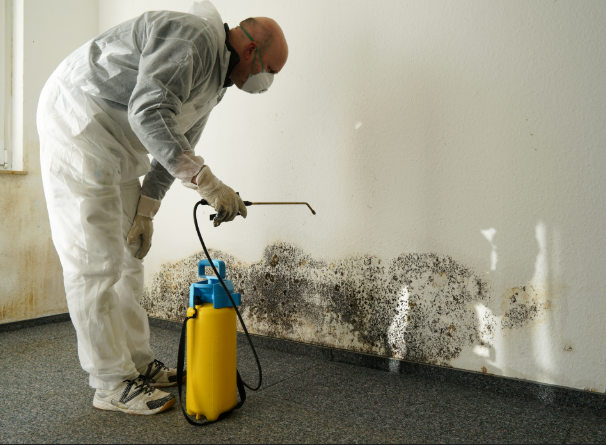
Balancing Mold Prevention with Aesthetic Appeal
Contrary to common misconceptions, prioritizing mold prevention does not necessitate sacrificing aesthetic appeal. In fact, several design features can enhance both the visual appeal and mold resistance of South Carolina homes:
1. Air Bricks
Air bricks, featuring perforations that facilitate airflow, are installed under suspended floors and in cavity walls to prevent mold formation. These functional elements offer design flexibility and aesthetic enhancement while promoting air circulation.
2. Louver Vents
Incorporating louver vents into HVAC systems promotes ventilation and prevents the ingress of natural elements. Available in various styles and materials, louver vents not only enhance indoor air quality but also contribute to interior aesthetics.
3. Thoughtful Landscaping
Strategic landscaping solutions, such as graded outdoor areas and gutter drainage systems, can be both functional and visually appealing. Integrating water diversion features with decorative elements creates an attractive outdoor environment while minimizing moisture-related issues.
4. Stylish Rain Screens
Rain screens, designed to deflect water away from building exteriors, come in an array of styles and colors to complement architectural aesthetics. These protective cladding systems enhance curb appeal while safeguarding against moisture intrusion and mold growth.
5. Water-Resistant Siding
Opting for water-resistant siding materials ensures both durability and mold resistance. Modern siding options not only effectively repel water but also offer aesthetic versatility, enhancing the exterior appearance of South Carolina homes.

Sustaining Mold Prevention Efforts
Mold prevention is an ongoing endeavor that requires continuous maintenance and vigilance. In addition to implementing initial design measures, homeowners must remain proactive in safeguarding their homes against mold by:
Maintaining humidity levels: Using dehumidifiers to control indoor humidity levels prevents moisture accumulation, a primary driver of mold growth.
Addressing leaks promptly: Timely repair of leaks in plumbing, roofing, and structural components prevents water intrusion and mold infestation.
Promoting ventilation: Regularly opening doors and windows and utilizing exhaust fans in moisture-prone areas promote air circulation and inhibit mold growth.
Cleaning and disinfecting: Periodically cleaning moist areas with mold-killing products and promptly addressing water damage incidents minimize mold proliferation.
Leveraging Professional Expertise
While homeowners can implement many mold prevention strategies independently, seeking professional assistance is often beneficial, particularly for comprehensive mold remediation and prevention services. Professional mold removal services offer expertise in identifying and mitigating mold issues, ensuring thorough remediation and long-term prevention.
When selecting a mold remediation contractor, consider factors such as:
Experience and credentials: Choose contractors with proven experience and relevant certifications in mold remediation and construction.
Use of quality products: Prioritize contractors who utilize environmentally friendly and effective mold remediation products and state-of-the-art technologies.
Reliability and reputation: Research customer reviews and testimonials to gauge the reliability and reputation of potential contractors, ensuring prompt and dependable service delivery.
Preventing mold growth in South Carolina homes requires a multifaceted approach encompassing thoughtful design, effective moisture management, and ongoing maintenance efforts. By integrating mold-resistant features into home design and implementing proactive measures to mitigate moisture intrusion, homeowners can create healthier and more resilient living spaces. Leveraging professional expertise ensures thorough mold remediation and long-term prevention, safeguarding homes and occupants against the detrimental effects of mold infestations. With strategic planning and diligent upkeep, South Carolina homeowners can enjoy a mold-free environment while enhancing the aesthetic appeal and longevity of their residences.

(0) comments
We welcome your comments
Log In
Post a comment as Guest
Keep it Clean. Please avoid obscene, vulgar, lewd, racist or sexually-oriented language.
PLEASE TURN OFF YOUR CAPS LOCK.
Don't Threaten. Threats of harming another person will not be tolerated.
Be Truthful. Don't knowingly lie about anyone or anything.
Be Nice. No racism, sexism or any sort of -ism that is degrading to another person.
Be Proactive. Use the 'Report' link on each comment to let us know of abusive posts.
Share with Us. We'd love to hear eyewitness accounts, the history behind an article.