
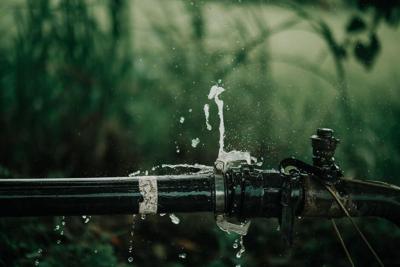

A plumbing emergency can turn a calm evening into a mess in minutes. One leaking pipe, one stubborn clog, or one failed water heater can damage floors, walls, and your budget fast. If you live in a house or condo where water use is high, and systems age quietly in the background, knowing what to do matters. You don’t need to be a plumber, but you do need a smart plan before a small problem starts acting like a demolition crew.
Burst Pipes Can Escalate Faster Than You Expect
A burst pipe is one of the most serious plumbing problems you can face. Water can spread behind drywall, under flooring, and into electrical areas before you even understand the scale of the issue. In colder seasons, frozen pipes are a common trigger, but corrosion, high water pressure, and old joints can also cause failure.
Your first move is to shut off the main water supply. If water is near outlets or appliances, cut power to that area only if you can do it safely. Then open a nearby faucet to relieve pressure in the line.
After that, take clear photos of the damage and arrange 24/7 emergency plumbing if the leak is still active, spreading quickly, or causing significant water damage. Towels and buckets can help contain the mess temporarily, but they will not address the source of the problem.
Overflowing Toilets Need a Calm, Quick Response
An overflowing toilet feels chaotic, mostly because it is. The good news is that the fix often starts with one simple action: stop more water from entering the bowl. Lift the tank lid and push the flapper down if it’s stuck open. If needed, turn off the shutoff valve behind the toilet.
Clogs usually come from too much toilet paper, wipes, hygiene products, or small objects. A standard plunger can often clear the blockage if you use it correctly and keep a tight seal. Skip chemical drain cleaners here. They can damage pipes and create a hazard for whoever handles the repair later.
If the toilet overflows repeatedly, or backs up along with a sink or tub, the issue may be deeper in the drain line. That points to a system problem, not just a bathroom inconvenience.
Sewer Line Backups Are a Health Hazard, Not Just a Nuisance
Few plumbing issues are more unpleasant than a sewer backup. If you notice multiple drains gurgling, foul smells, or wastewater coming up through a shower or floor drain, don’t treat it like a normal clog. Sewage contains contaminants that can affect indoor air quality and create serious cleanup concerns.
Stop using all water fixtures right away. Running a faucet or flushing a toilet can push more wastewater into the home. Keep kids and pets away from the affected area, and avoid direct contact with standing water.
Tree roots, collapsed lines, grease buildup, and old sewer connections are common causes. Homes with mature landscaping often deal with root intrusion because pipes and roots have a long-running feud. A licensed plumber with drain camera equipment can identify the exact problem instead of guessing and making a costly mess bigger.
Water Heater Failures Often Give Warning Signs You Shouldn’t Ignore
A failing water heater rarely picks a convenient time. You might wake up to no hot water, hear rumbling from the tank, or notice a small pool forming underneath it. Those clues usually mean sediment buildup, a worn valve, internal corrosion, or pressure problems.
Start by shutting off the power source. For electric units, switch off the breaker. For gas units, follow the manufacturer’s instructions to turn off the gas safely. If there’s active leaking, shut off the water supply valve leading to the heater.
Don’t try to patch a corroded tank. Once the tank body fails, replacement is usually the only real fix. Routine flushing can extend the unit’s life, but older heaters tend to announce retirement in dramatic fashion. If your unit is nearing the 8-to-12-year range, keep a closer eye on performance and rust.
Clogged Drains Become Emergencies When Water Has Nowhere to Go
A slow drain is easy to ignore until it becomes a standing-water problem. Kitchen sinks usually clog from grease, food debris, and soap residue. Bathroom drains collect hair, toothpaste sludge, and product buildup. Basement floor drains can also back up during storms or after heavy laundry use.
You can try a plunger or a manual drain snake for a localized clog. Hot water may help with minor soap buildup, but boiling water is risky for some pipe materials. Avoid repeated chemical treatments. They can weaken older plumbing and don’t always reach the true blockage.
When several drains are slow at once, the issue may involve the main line. That’s when home remedies start losing the plot. The key is knowing when DIY shifts from practical to expensive. Early action usually saves you from damaged cabinets, warped flooring, and cleanup that nobody wants on a weekend.
Leaks Under Sinks and Behind Walls Cause Hidden Damage
Not every plumbing emergency arrives with a dramatic flood. Some of the most expensive problems start as quiet leaks under a sink, behind a washing machine, or inside a wall cavity. You may first notice a musty smell, bubbling paint, warped trim, or a sudden jump in your water bill.
Small leaks create ideal conditions for mold and rot, especially in enclosed spaces with poor airflow. Cabinets soak it up. Drywall softens. Flooring begins to swell. The damage spreads even when the drip looks minor.
Check supply lines, shutoff valves, and pipe connections regularly, especially in older homes. If you spot moisture but can’t identify the source, don’t wait for visible staining to get worse. Plumbing problems love privacy. A professional inspection can catch a pinhole leak or cracked fitting before your wall turns into a repair project with several extra invoices attached.
What You Should Do Before the Plumber Arrives
The smartest emergency response starts before the service call. Everyone in the home should know where the main water shutoff valve is and how to use it. It also helps to identify the individual shutoff valves under sinks, behind toilets, and near major appliances so water flow can be stopped quickly when a leak occurs. Knowing where these valves are located can save valuable time when water starts spreading.
Keep a few basic supplies on hand:
– A heavy-duty plunger
– Adjustable wrench
– Towels and absorbent cloths
– Bucket
– Flashlight
– Manual drain snake
– Rubber gloves
If water has already caused damage, take photos before moving or discarding affected items whenever it is safe to do so. Documenting water damage with photos and videos can also make it easier to keep track of damaged belongings and cleanup costs.
Move rugs, electronics, furniture, and other valuables away from wet areas where possible. If water is near outlets, cords, appliances, or the electrical panel, avoid entering the area or using electrical equipment until the hazard has been addressed.
A plumbing emergency is stressful, but your response does not need to be chaotic. Knowing how to stop the water, protect vulnerable belongings, document the damage, and call for professional help can limit the disruption and keep a manageable leak from turning into a much larger repair.
(0) comments
We welcome your comments
Log In
Post a comment as Guest
Keep it Clean. Please avoid obscene, vulgar, lewd, racist or sexually-oriented language.
PLEASE TURN OFF YOUR CAPS LOCK.
Don't Threaten. Threats of harming another person will not be tolerated.
Be Truthful. Don't knowingly lie about anyone or anything.
Be Nice. No racism, sexism or any sort of -ism that is degrading to another person.
Be Proactive. Use the 'Report' link on each comment to let us know of abusive posts.
Share with Us. We'd love to hear eyewitness accounts, the history behind an article.