
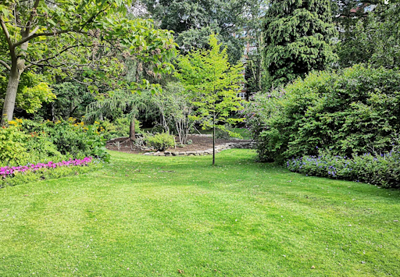

As the warm summer weather approaches, many homeowners are turning their attention to their gardens. Whether you're an experienced gardener or a beginner, there are a few things you can do to get your garden ready for the summer months. By following these tips, you can ensure that your garden is healthy, vibrant, and ready to thrive.
One of the first things you should do when preparing your garden for the summer is to clean up any debris or dead plants from the previous season. This will help to prevent disease and pests from taking hold in your garden. You should also take the time to weed your garden beds and remove any invasive plants that may have taken root.
Another important step in preparing your garden for the summer is to fertilize your plants. This will provide them with the nutrients they need to grow strong and healthy. You should also make sure that your plants are getting enough water, especially during hot summer months. With a little bit of preparation, you can have a beautiful and productive garden that will provide you with fresh fruits, vegetables, and flowers all summer long.
Soil Preparation
Choosing the Right Plants
Garden Layout Planning
Irrigation and Watering
Pest and Disease Control
Garden Maintenance Routines
Soil Preparation
Preparing the soil is an essential step in getting your garden ready for summer. Proper soil preparation ensures that your plants have the nutrients they need to grow strong and healthy. Here are some tips on how to prepare your soil for planting.
Test Your Soil
Before you start preparing your soil, it's important to test it to determine its pH level and nutrient content. You can purchase a soil testing kit from your local garden center or send a sample to a soil testing laboratory. Knowing your soil's pH level and nutrient content will help you determine what amendments your soil needs.
Add Organic Matter
Adding organic matter to your soil is a great way to improve its structure and fertility. Organic matter can be added in the form of compost, manure, or leaf mold. These materials help to improve soil drainage, water retention, and nutrient availability. They also help to promote healthy soil microorganisms, which are essential for plant growth.
Till Your Soil
Tilling your soil helps to loosen compacted soil and mix in any amendments you've added. However, it's important not to over-till your soil, as this can damage soil structure and reduce soil fertility. A good rule of thumb is to till your soil to a depth of 6-8 inches.
Mulch Your Soil
Mulching your soil helps to retain moisture, suppress weeds, and regulate soil temperature. Organic mulches, such as straw, leaves, or grass clippings, can be added to the surface of your soil. These materials break down over time, adding organic matter to your soil and improving its fertility.
By following these tips, you can prepare your soil for planting and ensure that your garden thrives throughout the summer months.
Choosing the Right Plants
When it comes to choosing the right plants for your garden, there are a few factors to consider. It is important to select plants that are well-suited to your climate, soil type, and sun exposure.
One way to ensure that you are choosing the right plants is to do some research. Look for plants that are native to your area, as they are often better adapted to the local climate and soil conditions. You can also consult with a local nursery or garden center for advice on which plants will thrive in your garden.
Another important factor to consider is the amount of sun exposure your garden receives. Some plants require full sun, while others prefer partial or full shade. Be sure to choose plants that are appropriate for the amount of sun your garden receives.
In addition to considering climate and sun exposure, it is also important to think about the overall design of your garden. Choose plants that will complement each other and create a cohesive look. You can create a color scheme by selecting plants with similar hues, or mix and match different textures and shapes for a more eclectic look.
Overall, taking the time to choose the right plants for your garden will ensure that your garden thrives and looks beautiful all summer long.
Garden Layout Planning
When it comes to planning your garden layout, there are a few things to keep in mind to ensure your garden is both functional and aesthetically pleasing. Here are some tips to help you get started:
Assess Your Space
Before you start planning your garden layout, it's important to assess your available space. Take note of any existing features, such as trees, shrubs, or structures, that you want to keep in your garden. Consider the amount of sunlight and shade your garden receives throughout the day, as this will affect which plants you can grow.
Determine Your Garden's Purpose
Next, think about what you want to use your garden for. Do you want to grow vegetables and herbs? Are you looking to create a relaxing outdoor space? Do you want to attract wildlife to your garden? Determining your garden's purpose will help guide your layout decisions.
Create Zones
To make the most of your garden space, consider creating different zones for different activities or plant types. For example, you could have a vegetable garden zone, a flower garden zone, and a seating area zone. This will help you organize your garden and make it easier to maintain.
Consider Plant Placement
When planning your garden layout, consider the placement of each plant. Think about the plant's size, growth habit, and water and sunlight requirements. Group plants with similar needs together to make watering and maintenance easier.
Use Visual Interest
Finally, don't forget to incorporate visual interest into your garden layout. Use different textures, colors, and shapes to create a visually appealing garden. Consider adding features like paths, trellises, or garden art to add interest and personality to your space.
By following these tips, you can create a garden layout that is both functional and beautiful.
Irrigation and Watering
Proper irrigation and watering are essential for a healthy garden during the summer months. It's important to ensure that your plants receive enough water to thrive without drowning them.
One effective way to ensure proper watering is to use a drip irrigation system. This system delivers water directly to the roots of your plants, minimizing water waste and reducing the risk of overwatering. Drip irrigation systems can be set on a timer, making it easy to maintain a consistent watering schedule.
Another important aspect of watering is knowing when to water your plants. It's best to water early in the morning or late in the evening to minimize water evaporation and ensure that your plants have enough time to absorb the water before the heat of the day sets in.
Additionally, it's important to avoid getting water on the leaves of your plants, as this can increase the risk of fungal diseases. Watering at the base of the plant or using a soaker hose can help prevent this issue.
Overall, proper irrigation and watering are crucial for a healthy and thriving garden during the summer months. By using a drip irrigation system, watering at the right time of day, and avoiding getting water on the leaves of your plants, you can help ensure that your garden stays healthy and vibrant all season long.
Pest and Disease Control
Keeping pests and diseases at bay is essential for a healthy and thriving garden. Here are some tips to help you control common garden pests and diseases this summer:
Identify the problem: The first step in controlling pests and diseases is to identify the problem. Look for signs of damage, such as chewed leaves or wilting plants, and do some research to determine the cause.
Practice good hygiene: Maintaining good hygiene in your garden is crucial for disease prevention. Remove dead or diseased plant material promptly, and keep your tools and equipment clean and disinfected.
Use organic solutions: Chemical pesticides and herbicides can harm beneficial insects and pollinators, and may also contaminate soil and water. Consider using organic solutions, such as neem oil, insecticidal soap, and companion planting.
Attract beneficial insects: Encourage beneficial insects, such as ladybugs and lacewings, to your garden by planting flowers and herbs that they like. These insects can help control pests naturally.
Rotate crops: Rotating your crops can help prevent the buildup of pests and diseases in the soil. Planting different crops in different areas of your garden each year can also help improve soil health.
By following these tips, you can help keep your garden healthy and thriving all summer long.
Garden Maintenance Routines
Maintaining a garden is a crucial aspect of keeping it healthy and beautiful. Here are some simple garden maintenance routines that can help keep your garden in top shape this summer:
Regular Watering
Watering your garden regularly is essential to keep the plants hydrated and healthy. It is recommended to water your garden in the early morning or late evening, as this is when the temperature is cooler and the water is less likely to evaporate quickly.
Pruning and Trimming
Pruning and trimming your plants regularly can help promote healthy growth and prevent the spread of diseases. Dead or damaged branches should be removed, and overgrown plants should be trimmed to maintain their shape and size.
Weeding
Weeds can compete with your plants for nutrients and water, so it's essential to remove them regularly. Weeding can be done manually or with the help of weed killers.
Blocked Drains
Blocked drains can cause water to accumulate in your garden, leading to waterlogging and root rot. Regularly inspecting and cleaning your drains can prevent this from happening.
Fertilizing
Fertilizing your garden can provide the necessary nutrients for healthy plant growth. It is recommended to fertilize your garden every four to six weeks during the growing season.
By following these simple garden maintenance routines, you can ensure that your garden stays healthy and vibrant throughout the summer season.
(0) comments
We welcome your comments
Log In
Post a comment as Guest
Keep it Clean. Please avoid obscene, vulgar, lewd, racist or sexually-oriented language.
PLEASE TURN OFF YOUR CAPS LOCK.
Don't Threaten. Threats of harming another person will not be tolerated.
Be Truthful. Don't knowingly lie about anyone or anything.
Be Nice. No racism, sexism or any sort of -ism that is degrading to another person.
Be Proactive. Use the 'Report' link on each comment to let us know of abusive posts.
Share with Us. We'd love to hear eyewitness accounts, the history behind an article.