
Maintaining a well-manicured lawn is a source of pride for many homeowners. However, achieving a perfectly cut lawn requires more than just a quality lawn mower and may even require Lawn Mowing Service. Effective grass cutting techniques are essential to achieving a healthy, vibrant lawn. In this article, we will explore some of the most effective grass cutting techniques for homeowners.
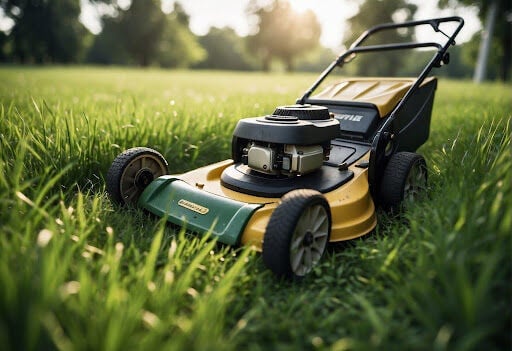
One of the most important grass cutting techniques is to mow at the appropriate height. Setting your mower too low can cause damage to the grass and leave your lawn vulnerable to disease and pests. Conversely, setting your mower too high can leave your lawn looking unkempt and uneven. Homeowners should determine the appropriate mowing height for their specific grass type and adjust their mower accordingly.
Another effective grass cutting technique is to vary the mowing pattern. Mowing in the same direction every time can cause the grass to lean in one direction, resulting in an uneven appearance. By varying the mowing pattern, homeowners can ensure that their lawn looks even and well-manicured. Additionally, homeowners should avoid mowing wet grass, as it can cause clumping and make the mower blades less effective.
Understanding Your Lawn
Maintaining a healthy and lush lawn requires a basic understanding of the grass type and soil health. Homeowners can achieve an effective grass cutting technique by identifying the grass type and analyzing the soil and grass health.
Identifying Grass Type
Grasses are typically classified into cool-season and warm-season species. Cool-season grasses such as Kentucky bluegrass, fescue, and ryegrass thrive in cooler temperatures and are commonly found in the northern regions. Warm-season grasses such as Bermuda grass, St. Augustine grass, and Zoysia grass, on the other hand, prefer warmer temperatures and are commonly found in southern regions.
Identifying the grass type is important because different species have different requirements for healthy growth. For instance, cool-season grasses require more frequent watering and fertilization than warm-season grasses. By identifying the grass type, homeowners can determine the appropriate mowing height, watering schedule, and fertilization requirements.
Analyzing Soil and Grass Health
Soil compaction and nutrient absorption are key factors that affect grass health. Compacted soil can prevent roots from absorbing water and nutrients, leading to a less healthy lawn. Soil analysis can determine the nutrient content and pH level of the soil, which can help homeowners determine the appropriate fertilization requirements.
Grass health can also be determined by analyzing the color, texture, and thickness of the grass blades. Healthy grass blades are typically green, thick, and have a soft texture. Yellow or brown blades can indicate a lack of nutrients or water. Thin blades can indicate poor soil health or improper mowing techniques.
Mowing Essentials
Choosing the Right Mower
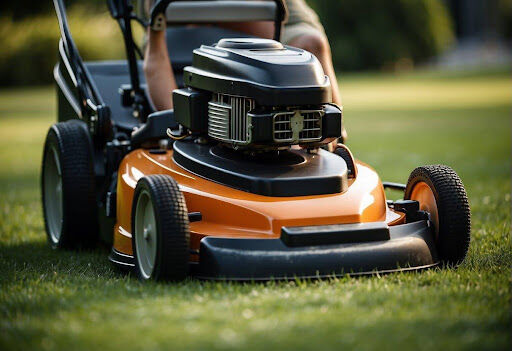
When it comes to choosing the right mower, homeowners have a few options to consider. Push mowers are great for small lawns, while electric mowers are better suited for larger lawns. Mulching mowers are also a popular option, as they cut the grass into small pieces that are left on the lawn to decompose and provide nutrients. Homeowners should also consider the size of their lawn and the terrain when choosing a mower.
Mowing Height and Frequency
Mowing height and frequency are important factors in maintaining a healthy lawn. Homeowners should avoid cutting more than one-third of the grass blade at a time, as this can prevent optimal photosynthesis and damage the grass. The optimal mowing height varies depending on the grass type, but a general rule of thumb is to set the mower at the highest preferred setting for the grass type and only cut the top one-third of the grass blades at any one time. Homeowners should also mow their lawn approximately every five days in early spring and late fall.
Blade Maintenance
Maintaining sharp mower blades is essential for an effective mowing technique. Dull blades can damage the grass and lead to an uneven cut. Homeowners should sharpen their mower blades at least once a year, and more frequently if they notice uneven cutting patterns or a decrease in mowing time. Blade sharpening can be done at home with a sharpening stone or file, or by a professional. Homeowners should also ensure that the blade is properly aligned and balanced after sharpening to prevent damage to the mower.
Advanced Mowing Techniques
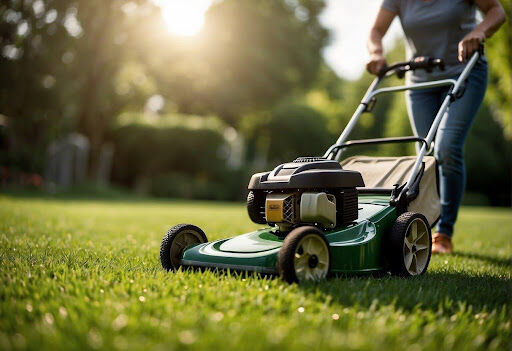
For homeowners who want to take their lawn mowing to the next level, there are a few advanced techniques that can make a big difference in the appearance of their lawn.
Creating Patterns and Stripes
One of the most popular advanced mowing techniques is creating patterns and stripes in the lawn. This can be achieved by mowing in a specific pattern or direction, which will cause the grass to bend in a certain way and create a visible pattern.
One of the most common patterns is the checkerboard pattern, which involves mowing in straight lines back and forth, and then turning at a 90-degree angle to create a second set of straight lines perpendicular to the first. This creates a grid-like pattern that can be quite striking.
Another popular pattern is the diagonal stripe pattern, which involves mowing in diagonal lines across the lawn. This creates a diagonal stripe effect that can be quite eye-catching.
Dealing with Weeds and Pests
Another important aspect of lawn care is dealing with weeds and pests. Weeds can be a major problem for homeowners, as they can quickly take over a lawn and ruin its appearance. One effective method of weed control is using a weed whacker to trim the weeds down to size.
Pests can also be a problem for homeowners, as they can damage the lawn and make it less attractive. There are a variety of pest control methods available, including natural methods like introducing beneficial insects and using organic pesticides.
Lawn Care After Mowing
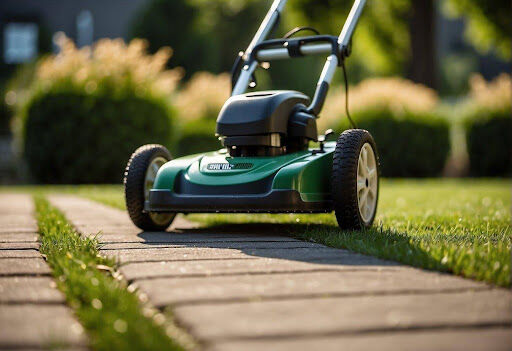
After mowing the lawn, homeowners should take a few steps to ensure their grass stays healthy and looks great. This section will cover two essential lawn care tasks: clippings and cleanup, and watering and fertilizing.
Clippings and Cleanup
Grass clippings can be beneficial to lawns as they contain nutrients that can help fertilize the soil. However, if the clippings are too long, they can create thatch buildup, which can harm the grass. Homeowners should aim to cut no more than one-third of the grass blades at a time to prevent this. If the clippings are too long, they should be raked up and removed from the lawn.
After mowing, homeowners should also take the time to clean up any debris left on the lawn. This includes sticks, leaves, and other items that can harm the grass or create obstacles during future mowing. A rake or leaf blower can be used to clear the lawn quickly and efficiently. Taking advantage of grass catchers for residential use can make this process more efficient by collecting clippings before they settle back onto the lawn. This helps maintain a cleaner surface and reduces the amount of time needed for post-mowing cleanup.
Watering and Fertilizing
Watering and fertilizing are two critical components of lawn maintenance. After mowing, homeowners should water their lawn deeply to ensure the grass stays hydrated. It is essential to water the lawn in the early morning or late evening to prevent evaporation and ensure the water reaches the roots.
Fertilization is also essential for maintaining a healthy lawn. Homeowners should fertilize their lawn regularly to ensure it receives the nutrients it needs to grow strong and healthy. It is best to fertilize in the early spring and late fall when the grass is actively growing.

(0) comments
We welcome your comments
Log In
Post a comment as Guest
Keep it Clean. Please avoid obscene, vulgar, lewd, racist or sexually-oriented language.
PLEASE TURN OFF YOUR CAPS LOCK.
Don't Threaten. Threats of harming another person will not be tolerated.
Be Truthful. Don't knowingly lie about anyone or anything.
Be Nice. No racism, sexism or any sort of -ism that is degrading to another person.
Be Proactive. Use the 'Report' link on each comment to let us know of abusive posts.
Share with Us. We'd love to hear eyewitness accounts, the history behind an article.