
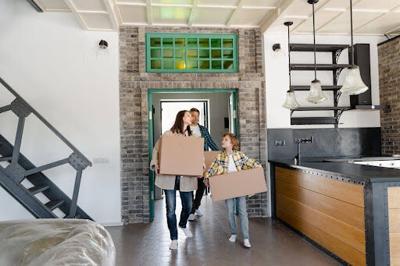

Moving from a bustling city like Washington, DC, into a new home can be a refreshing change, but it also comes with some unavoidable challenges. Settling in and figuring out what to tackle first can feel overwhelming. After all, there’s so much you want to do to make the space feel truly yours. From making it functional to showcasing your style, knowing where to start with home improvements is key to making the transition smoother.
Whether you're moving into a fixer-upper or a home that just needs a little personalization, prioritizing essential improvements is a smart approach. Instead of diving into big, costly projects right away, you can start with small changes that offer impactful results. These early improvements will make your home more comfortable and also help you settle in faster.
So, let’s get started without further ado:
Start by Hiring Professionals for a Smooth Move
The first essential step in upgrading your home begins even before you unpack the boxes. Moving is already a lot of work, and the last thing you need is the extra stress of dealing with heavy furniture and organizing everything yourself. That’s where professional help can make all the difference. Hiring DC moving companies takes the physical and logistical strain off your shoulders. With professionals handling the transportation of your belongings, you can focus your energy on what really matters—making your new house feel like home. They’ll take care of the heavy lifting, carefully placing furniture and boxes exactly where you want them.
Once your items are in place, you’re free to get started on the fun part—home improvements. With a fresh, organized space, it’s much easier to see where upgrades are needed and to dive right into projects that will help personalize your home. Instead of feeling overwhelmed by clutter, you’ll have a head start to think more clearly about what changes to prioritize.
Focus on Security and Safety
After you’ve moved in, one of the first things to focus on is making sure your home is secure. Whether it’s your first time in a new neighborhood or you’re familiar with the area, it’s always a good idea to upgrade security features.
Start with the basics—changing the locks on all doors is an affordable and simple step that immediately gives you peace of mind. You don’t know how many copies of the keys could be out there, so it’s better to start fresh. From there, consider installing deadbolts or smart locks for added protection.
Next, take a look at the home’s overall security system. Even if the house came with some features in place, adding modern technology like motion-detecting lights, security cameras, or even a video doorbell can go a long way. These upgrades are often affordable and easy to install, and they not only protect your home but also give you peace of mind, especially in an unfamiliar environment.
And don’t forget safety essentials like smoke detectors and carbon monoxide alarms—make sure these are up to date and functioning properly to keep your family safe.
Update the Kitchen and Bathrooms
Kitchens and bathrooms are two of the most-used areas in any home, so it makes sense to focus on upgrading these spaces first. These rooms don’t always require a full remodel to feel fresh and functional. Simple updates, for example, replacing old faucets with modern, efficient ones or swapping out cabinet hardware for a more contemporary look, can make a world of difference. If you’re up for a slightly bigger project, consider re-grouting tiles or adding a new backsplash in the kitchen for a clean, updated feel.
In the bathroom, even small touches can have a big impact. Installing new showerheads, replacing an outdated vanity, or adding fresh paint can completely change the look and functionality of the room. These updates are budget-friendly, easy to accomplish, and give you a great return on investment—both in terms of everyday comfort and future resale value. Plus, focusing on these high-traffic areas ensures that the spaces you use most are enjoyable from the start.
Maximize Energy Efficiency
One of the easiest and most practical upgrades you can make after moving in is improving your home’s energy efficiency. Simple changes like switching to energy-efficient light bulbs or upgrading old appliances to newer, more energy-friendly models can make a big difference. These updates might seem small, but they help lower your energy bills and reduce your home’s environmental footprint.
Another easy fix is checking the seals on windows and doors. Small gaps around windows and doors can allow unwanted cold air in during winter and warm air during summer, putting extra strain on your heating and cooling systems. Closing up these gaps with caulk or weatherstripping helps keep your home’s temperature stable and can reduce energy costs over time.
Tackle Storage and Organization
After moving in, clutter can quickly pile up, especially if your new home has less storage space than you expected. Focusing on organization from the start helps keep your home functional and stress-free. Installing closet organizers, adding shelves, or using multi-purpose furniture with built-in storage can give you more room to work with. This is especially helpful in smaller homes where space is limited.
You don’t have to spend a lot of money to get organized. Simple solutions like using storage bins, baskets, and hooks can keep your home tidy. Staying organized will make everyday living easier, and it’s a great way to personalize your home while keeping it practical.
Freshen Up with Paint and Personal Touches
Once you’ve taken care of the functional upgrades, it’s time to make your home feel like yours. A fresh coat of paint can transform any room and is one of the most affordable ways to upgrade your space. Choose colors that reflect your style and create the atmosphere you want in each room. Whether it’s a calming, neutral tone in the bedroom or a pop of color in the living room, paint is an easy way to personalize your home.
After painting, add small decorative elements like photos, plants, or artwork that make the space uniquely yours. These touches don’t have to be expensive, but they go a long way in making your new house feel like home. Personalization is the final step that brings everything together.
Moving into a new home is exciting, but it’s important to focus on key upgrades that make your space both functional and comfortable. Starting with security, energy efficiency, and organization helps you settle in, while fresh paint and personal touches make your home feel uniquely yours. These simple, budget-friendly improvements can transform your new house into a place you love living in without overwhelming your wallet.


(0) comments
We welcome your comments
Log In
Post a comment as Guest
Keep it Clean. Please avoid obscene, vulgar, lewd, racist or sexually-oriented language.
PLEASE TURN OFF YOUR CAPS LOCK.
Don't Threaten. Threats of harming another person will not be tolerated.
Be Truthful. Don't knowingly lie about anyone or anything.
Be Nice. No racism, sexism or any sort of -ism that is degrading to another person.
Be Proactive. Use the 'Report' link on each comment to let us know of abusive posts.
Share with Us. We'd love to hear eyewitness accounts, the history behind an article.